
Posts Tagged ‘veterinarian in Glen Carbon’
Common Health Problems In Senior Cats
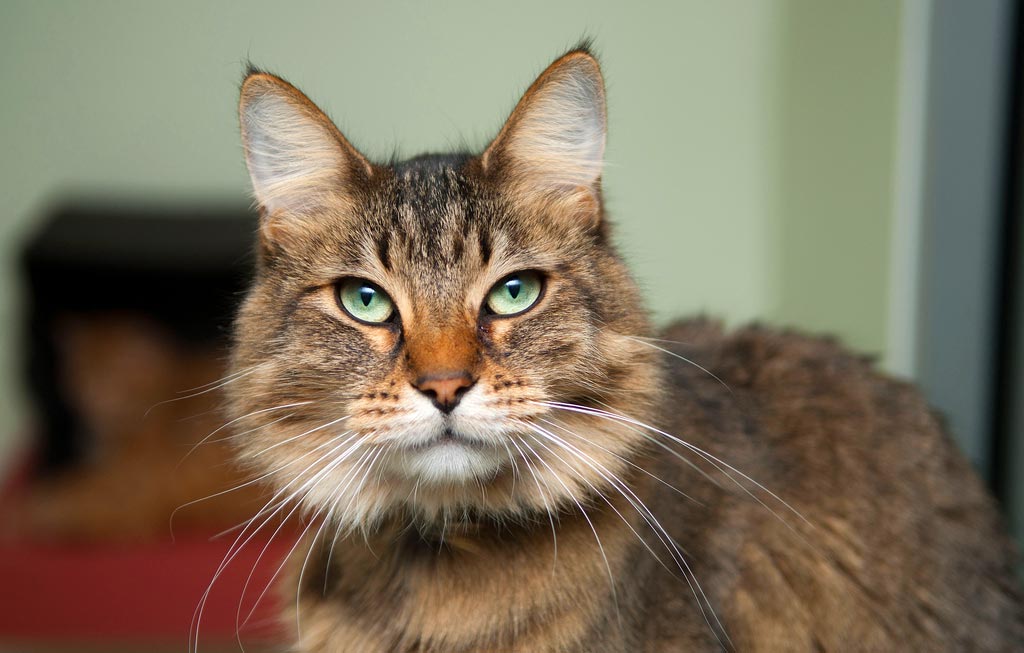 With medical breakthroughs, cats have tended to increase their lifespan—especially the cats that are mostly indoor. But with these advanced years, other health related issues can crop up that can alter the health of your geriatric pet. Common health problems in senior cats include chronic kidney disease, dental disease, diabetes and others. But nationwide, as veterinarians, we have tended to see decreased visits from this age group.
A well-cared for indoor pet can live well into its teen years, while cats that go outside significantly reduce their odds. Most indoor cats can easily live to between 12 to 18 years. There is no set rule for when a pet is in its golden years, but they are considered seniors the last 1/3 of their lives.
The following will touch on a few of the common health problems that an aged cat faces after it becomes geriatric.
Dental Disease
Most cats have some form of gum disease by the age of 2, primarily because they don’t receive any home or professional dental care and they don’t show any pain or discomfort until the disease is advanced. While treatments usually start at about $400, regular dental care can reduce the cleaning bill. Good dental hygiene can also prevent other issues. There are also a number of painful conditions of the mouth that are dramatically increased in the older pets. This means that proper dental care is extra important. Daily homecare and professional cleanings are required by your veterinarian as the best way to keep your cat’s mouth healthy and disease free. These are important with cats with chronic issues like kidney failure, heart disease and diabetes. Due to the fact that the oral cavity is very vascular, systemic infections that affect the heart, liver and kidneys can arise.
Arthritis
Cats get arthritis just like dogs and there are fewer medical options available because cats metabolize at a much slower rate. But that doesn’t mean that they have to endure pain. Studies have shown that as much as 90 percent of cats that are 12 years or older have some degree of arthritis which is a long term and permanent deterioration of cartilage around the joints. It is important to keep your cat at a lean healthy weight and make sure that they get exercise and daily activity to prevent muscle weakness and preserve muscle tone.
Chronic kidney disease
Disease affecting the kidneys is a common affliction in older cats. Essentially the kidneys act as a filter system to filter the wastes products out of the blood system that the body has produced. When the disease affects the cats, it can make the cats more prone to urinary tract infections and the cat may consume more water and urinate more. Clinical signs also may include lethargy, vomiting, inappetence, and weight loss. While there is no cure for kidney disease, there are low protein and low phosphate diets available that can help by giving the kidneys less work to do. Early detection can also allows veterinarians to slow the progression of symptoms.
Hyperthyroidism
Though it may seem a good thing, an excessive appetite and increase in energy could be clues that your geriatric cat may have developed hyperthyroidism which is a condition in which the thyroid gland produces greater levels of thyroid hormone than necessary. Cats with hyperthyroidism are also more prone to hypertension which can contribute to kidney failure and heart disease if the condition goes untreated. If you suspect your cat may have hyperthyroidism, schedule a visit with your veterinarian for blood work and to discuss treatment options.
Hearing Loss
Even with cats, the sense of hearing begins to go with age. If you suspect your cat isn’t hearing as well as he used to, monitor his behavior. Signs of diminished hearing may include sleeping more soundly than usual or seeming to ignore noise that used to bring him running. You can’t purchase hearing aids for your pet yet, but you still can communicate with him. Teach him hand signals, stomp your foot, so he feels the vibrations and knows that you are nearby, or use time-honored methods to alert him that it is dinnertime. Cats with hearing loss should never be left outside unsupervised. If your cat is used to wandering the neighborhood, it is time to confine him to a secure enclosed area on a patio or a porch.
Failing Vision
Cataracts, glaucoma, and retinal detachment are among the eye conditions that can affect geriatric cats. Look for signs such as cloudiness or whiteness of the lens, general cloudiness of the eye, dilated pupils, or bumping into things. Medications can help depending on the type and severity of the problem. Cataracts can be removed surgically, but cats typically get around well using their sense of smell, so it is usually not necessary. Just remember not to move the furniture around.
Cancer
Since thirty percent of all cats 10 years of age and older are diagnosed with cancer at some stage of life, it is no surprise that cancer is on the list. There are many types of cancer that affects cats but one of the most common is Lymphosarcoma. Take your pet to your veterinarian immediately if you notice clinical signs like weight loss, lumps or bumps, appetite loss, sores that don’t heal, bleeding, or any unusual symptoms that might persist. Symptoms are dependent on the type of cancer involved.
One of the blessing of cats is that age seems to creep up on them gently—so much that it may be difficult for us to notice that they really are older and have developed some of the common health problems associated with aging. Though some conditions are inevitable with advanced age, there are ways that you and your veterinarian can work together to help your cat stay comfortable and contented for as long as possible. So if you feel that your cat is having some issues, please don’t hesitate to call us at (618)-656-5868, or contact us here.
Dr. Olsen’s Breed Spotlight: Lagotto Romagnollo
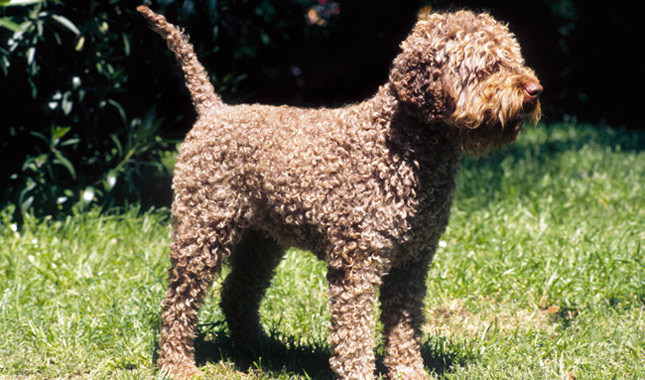 At last month’s Westminster Dog Show in New York City, a German Shepherd named Rumor won the best of show. German Shepherds are quite popular, however I would like to put the spotlight on a breed that is not so popular. This month’s breed is the Lagotto Romagnollo. The dog’s name means “lake dog from Romagna.”
The Lagotto Romagnollo breed dates back to the 1600’s in Italy. They were originally bred as a hunting breed to assist in the retrieval of coots in the wetlands of Italy. The medium sized, curly coated dog would work tirelessly retrieving the birds often breaking through ice to do so. After the wetlands had dried up in the 19th century, the dogs were taught to find and retrieve the valuable fungi truffles in the countrysides of Italy. This was made possible because the breed had a sharp aptitude for searching, a steep learning curve and an unbeatable sense of smell.
The Lagotto Romagnollo is often compared the the Portuguese Water Dog because of the hunting ability and curly coat. An interesting fact is the Lagotto is the only dog specifically bred to hunt truffles.
The mid-sized dog adult weight will be 24 to 35 pounds. It is approximately 16 to 19 inches tall and has a life expectancy of 15 years. Coat colors can include more than one color of brown, roan, off white, white or orange.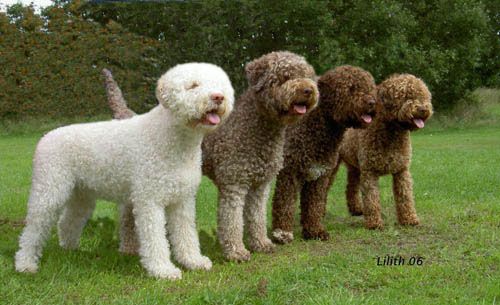
Lagatto Romagnollos very rarely shed because of their waterproof double coat and are considered hypoallergenic. Trimming the dog’s coat will be necessary but you won’t need to brush it very often.
This breed are very intelligent and energetic dogs that love to play and swim outdoors, so it will be important for them to be part of a family. While the breed strongly bonds to its human family, it is best to socialize them at an early age because of their shyness. Once they bond and are socialized, the breed thrives best with lots of interaction. They are definitely an indoor breed that needs time outside to be well adjusted and content.
As pointed out earlier they are active but not hyper, so the owner must be willing to invest and commit time every day to train them. The Logattos are a delight to train and are good problem solvers. Besides truffle hunting, their intelligence has allowed them to be trained to do search and rescue, participate in therapy work and game hunt. Their intelligence, jumping ability and drive make them ideal candidates for various competitions such as agility, tracking, obedience and nose work. Most are naturally drawn to water and love to swim.
If you have a Lagatto Romagnollo or not, the Olsen Veterinary Clinic would like to be your hometown veterinarian. If we can be of service please feel free to call us at (618)-656-5868 or send us an email.
Urinary Tract Health For Your Cat: How To Avoid Pee Problems
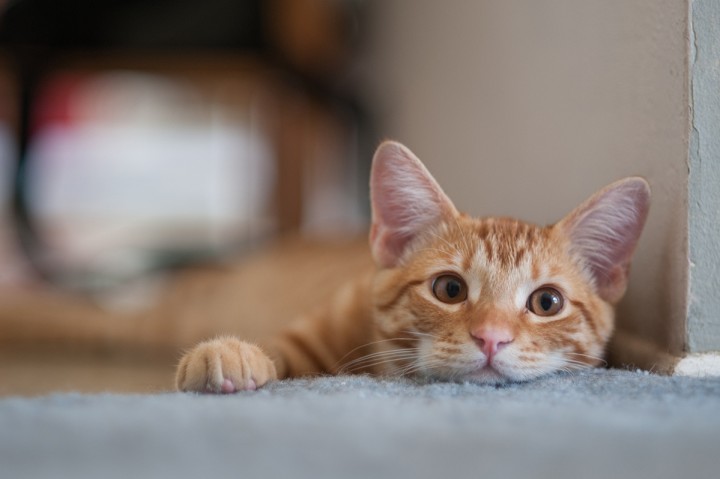 Do you know why cat owners bring their pets to visit the veterinarian? If you answered for vaccinations or well pet visits, then you would be correct. However about 5 to 10 percent of the visits are due to the cats suffering from a disease called Feline Lower Urinary Tract Disease (FLUTD). Urinary tract health for your cat is extremely important. The most common clinical signs presented at the appointments will be that the cats are having litter box problems. Either they are urinating outside of the box or that they are spending too much time in the litter box longer and having trouble or a painful urination process.
Feline Lower Urinary Tract Disease affects both sexes, and affects the bladder and urethra. Small, sharp crystals form in the bladder and irritate the lining of the cat’s lower urinary tract. As the crystals mix with more debris and blood, it can plug the urethra and prevent the cat from having the ability to urinate. Due to male cats having a narrower and longer urethra, they are seen more often and it tends to be a medical emergency.
The crystals that form contain Magnesium. One theory to explain the formation of the crystal is that some cat foods are high in minerals or ash. This seems logical, however it has not been reproduced by feeding high ash/magnesium diets to normal cats. Some pet food ash is necessary, but cheap cat foods are often higher than they should be.
Another possibility for the occurrence is the cats don’t drink enough water and crystals tend to form in more concentrated urine. However, like the food, it has not been able to be reproduced. So there may be other factors at work causing FLUTD.
The average cat is 3 to 4 years old when the signs begin. It is uncommon for cats under 1 ½ years of age to present with FLUTD. Older cats can present with FLUTD, but it is usually due to an underlying health or stress problem. For some reason, the Persian breed is more susceptible to the disease.
As stated before, the first thing that the owner will notice is that the cat is spending too much time in the box or urinating outside of the box. Careful examination of the litter or urine can reveal some blood in the urine. The cat may appear painful and their penis may be extended and bluish in color.
If there is no or very little urine with your male cat, then this should be considered a medical emergency. He needs to be seen by a veterinarian as soon as possible. If medical attention is not given, he may die in a short period of time due to kidney failure. Urination is how the body cleanses itself of toxic products. It is also important to keep the balance of minerals and water in the body. If the cat cannot urinate, then he will become depressed and the body systems will start to fail. When urine backs up in the kidneys, this can cause irreversible kidney damage. If left untreated, FLUTD can be fatal in 3 days.
When presented to your veterinarian, the cat’s bladder may be enlarged and painful. The urethra and penis may be swollen, so it will be important for the veterinarian to break down the blockage with as little trauma as possible and establish a urine flow from the urethra. A lot of times, the cat must be sedated in order for a traumatic passage of a catheter. Intravenous fluid therapy is usually indicated to restore the electrolyte imbalance and to flush out the blood toxins that had built up due to the blockage. Antibiotics are usually given to prevent more severe infections. Due to the urethral swelling, sedative and pain-relieving medications are sometimes indicated to help relax the cat’s urethra until the acute inflammation passes.
Most commonly, veterinarians will prescribe medication for your pet which possibly would include antibiotics and changing the cat’s diet. They may even prescribe feeding canned food over dry food to entice more water consumption. Other medications may be prescribed to reduce stress and pain. Sometimes FLUTD can recur. Under some instances, surgery may be needed to prevent blockage again. There are some complications that can occur because of the surgery though.
FLUTD can be a complicated and serious condition if not attended to. It is important to contact your veterinarian should the problem arise. As always, if you have any questions, please feel free to contact here or call us at (618)-656-5868.
Tips For Welcoming A New Kitten Into Your Family
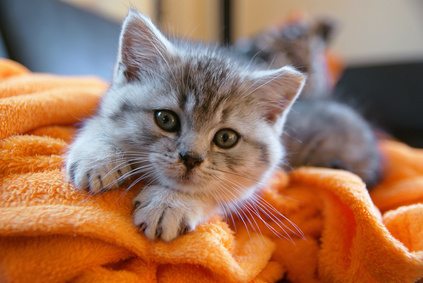 With the holiday rush over, a new resolution may include the family getting a new pet. Are you considering a new kitten? Don’t just jump in and figure it out. A little planning goes a long way. It is not that easy getting a new pet and adjusting the pet to its new environment. It is important to prepare yourselves and your home for your new family member, so I have compiled a list of helpful tips.
When choosing your new kitten, it should be a family affair and everyone should be involved in selecting your pet. You may want to spend some time with potential kittens to choose the one that would be the best fit. This would include getting the kitten out of the cage and find an area where you can spend some time with it. Some may be real friendly, however some may be very scared and require some time to warm up to you. This will also give you time to find out as much information as possible about the pet and a glimpse of its personality.
Once you have selected your pet and are taking it home, it is best to purchase a kennel to transport it home in. Remember, this is really stressful time for your new pet and it may be really scared. I recommend placing a towel or pillow in the carrier to make it more comfortable. When you arrive home, it may be best to sit on the floor and let it come to you. Just let it get acquainted on its own terms. If it doesn’t approach, leave it alone and try again later. Ideally, you will want to take it slow with introducing it to other family pets, so you may want to restrict access to them.
Getting your home ready is very important as well. This may include readying a small space like a bathroom for your territorial pet. Cats love small places, so you may want to put a kennel or box so that the kitten may hide. You will want to kitten proof your home by securing drapes or blind cords out of reach and picking up small items that they can possibly ingest. It is important to remove poisonous plants and insect traps and make sure that all cabinets are closed so that they can’t become exposed to harmful household items.
As your pet becomes more adjusted, it may want to explore outside of its safe haven. Make sure that other pets or family members won’t startle it while it expands its territory. The kitten may be ready to play so make sure that you have plenty of toys to keep it entertained.
Cats need to wear their claws down, so it is important to have something that is socially acceptable to scratch on. There are many scratching posts available that will do the trick nicely.
Make sure that it has fresh food and water. Feeding the food that the pet was accustomed to at the shelter will help prevent diarrhea from an abrupt change. When placing the food bowls, make sure they are a good distance from the litter box.
Within a week of bringing your pet home, I would recommend that you schedule an appointment with your veterinarian to make sure that your pet is healthy. Bring all the records that you have so that your veterinarian can make his recommendations.
Congratulations! If you follow these tips, you’ll be on your way to having a well-adjusted family member. By all means, if you have any questions about your pet, please don’t hesitate to contact us. My team and myself would be more than happy to answer your questions.
Stocking Stuffers For Your Pet
It is that time of year when we are trying to find that perfect gift for everyone on our list, and that includes our pets. So to help Santa with gift ideas, I have decided to suggest some different stocking stuffers for your pet to assist you during the hustle and bustle.
For Cats
 Catnip Chocolate Covered Strawberries — These are handmade fleece strawberries that are filled with catnip to give your four-legged friend a charming respite from its fast-paced world. These are available at Uncommongoods.com and sell for $18.00. You may also try the catnip fortune cookies or the squeaky dog donuts made by the same manufacturer.
Organic Pet Grass/Cat Grass Kit with Cat Grass Planter —This is a natural hairball remedy which the juices contain Folic Acid, an essential vitamin, that assists in the production of hemoglobin. It also provides fiber which aids in the reduction of hairballs in your cat. This product is sold on Amazon by the Cat Ladies.
House of Cat Marbled Alpaca Wool Felt Cat Toys —From the House of Cat Etsy shop comes these hand made ping pong sized balls that are a hard plastic core that are covered with layers and layers of soft natural alpaca wool. They are bouncy and great for throwing around and chase or just swatting.
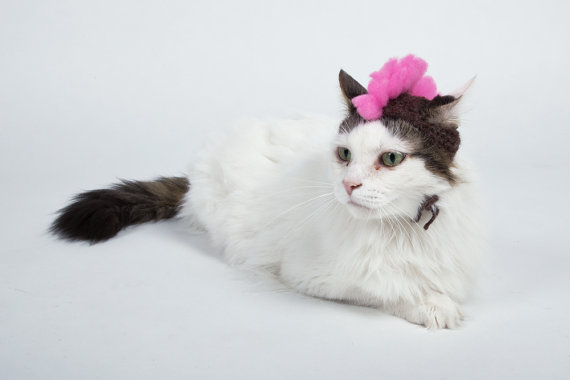 Knit Mohawk Cat Hat — Also found at the House of Cat Etsy shop, this is for the cat that loves to play dress-up or the owner that is willing to get their eyes clawed out. The hat features two slits for the ears.
Handmade Wand Cat Toys —Beautiful well made wand toys. High quality natural material and designs that include some interesting features that look like they would be enticing to cats. These can be found on Hauspanther.com.
For Dogs
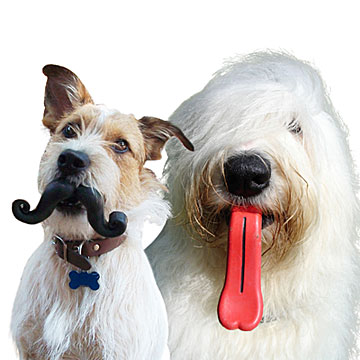 Silly Dog Toys —From Uncommongoods.com, these wacky dog toys of a mustache and giant tongue are made of non-toxic solid rubber and are attached to a rubber ball. Dogs like it and they are fun and tough!
Best of Breed Glove Brush —This rubber mitt prevents shedding and massages away dirt and hair with its flexible soft rubber tips. It gently massages your pets including dogs, cats, horses, pigs, goats and more as it cleans. The mitt is available on Amazon.com.
Ruffwear Quencher Collapsible Food Bowl — From Ruffwear.com this lightweight collapsible bowl made of long lasting polyester outer fabric with a waterproof liner is a packable dog bowl to take on your trip with your four-legged friend. They are lightweight, durable and don’t take up much space.
K9 Konnection Flashing Bright LED Safety Lights — With this bright LED light, you can easily spot your pet as the safety lights constantly flashes blue, white, green and red lights. They are easily clipped to your pet’s collar or leash and keep your pet safe. Available at Amazon.com.
Dog Hammock Seat Cover —This durable protective seat liner for the back bench seat of your vehicle provides protection to your seat cover and safety to your pet. It helps keep your car clean. It is available through Amazon.com and is manufactured by BarkNPurr Purfect.
Hopefully this will give you a starting point to start shopping for your “furr-babies.” Please keep your pet safe throughout the holiday season and if you have any further questions or comments, please don’t hesitate to contact us here at the clinic.
Distemper Facts Every Pet Owner Should Know
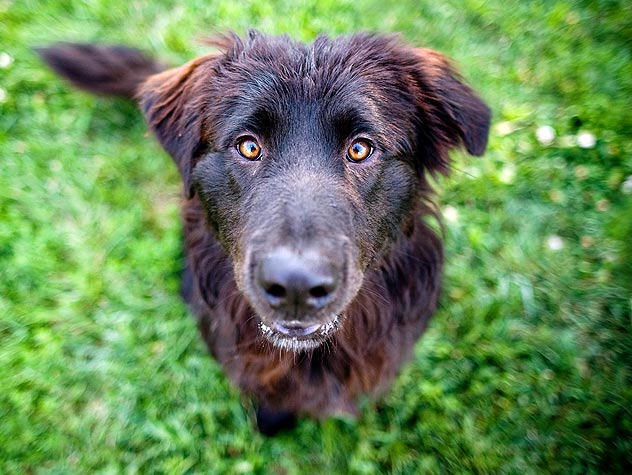 Recently you may have read in the news about a distemper outbreak at a St. Louis adoption agency that killed several dogs and puppies. That is terrible news, but most times, distemper can be preventible.
Distemper is a viral disease that is related to the virus that causes measles in humans. It is spread through all body secretions, especially airborne particles from breathing. This makes it easy for an untreated or unvaccinated dogs to be infected. It appears most often in puppies that are between 6 and 12 weeks who haven’t been vaccinated because the protective antibodies that they had received from their mothers had fallen to a level too low to prevent infection. Not only dogs transfer the infection, but other animals are threats to spread this disease. The most common species that can spread distemper are raccoons, skunks and foxes. Coming into contact with the droppings of these animals can easily spread the disease.
Initially, the disease may present itself with mild symptoms may be mild. These symptoms may include:
- Fever of 103 to 109
- Watery discharge from the eyes and nose
- Depression and listlessness
- Loss of appetite
- Thick, yellow discharge from the eyes and nose
- Dry cough
- Pus blisters on the abdomen
- Vomiting
- Diarrhea
As the disease progresses, it attacks the brain and the symptoms become neurological. Disease progression clinical signs could include:
- Slobbering
- Head shaking
- Chewing jaw motions
- Seizure-like symptoms, such as falling over and kicking feet uncontrollably
- Blindness
- Rhythmic muscle jerking of the head and neck
- Thick, horny skin on the nose and callus-like pads on the feet
If your pet gets distemper, it can’t be cured. Dogs that have progressed to the neurological stage are at a much higher risk of death than if it is caught earlier and treated. Treatment can help the dog mount an immune response better or it may lessen the symptoms of distemper. Since distemper is a virus, the dog’s life relies on the dog’s ability to fight off the disease. Your veterinarian may prescribe antibiotics to prevent secondary infections. He may also give the dog IV fluids to address the dehydration and he may prescribe medications to control diarrhea, vomiting and seizures.
Success of the treatments are largely dependent on the age of the dog, how quickly you seek help, the distemper strain, and whether your dog has been vaccinated. Vaccination against distemper is highly protective.
Some dogs may recover on their own, but owners should never take the wait and see approach with distemper. If your dog recovers from distemper, and that is a big “if”, your dog would be naturally immune to a second attack, just like measles in humans.
I would recommend using caution when socializing puppies or unvaccinated dogs at parks, obedience classes, doggy day care and other places where dogs can congregate since this disease is quite contagious. Make sure that you do not share food or water bowls with other dogs as this can be a common source of infection.
I can’t stress enough how important that your dog should be vaccinated for distemper. This vaccination is usually started when the puppy is 5 to 6 weeks old and continued every 3 to 4 weeks until the puppy is 4 months old. This should provide long lasting immunity. But it is not permanent. If your dog is adopted, ask the facility if and when they had given the distemper vaccine. No dog should ever die of distemper as the vaccinations are quite effective.
With the quality vaccines distemper is very preventible. Keeping your pet current on its’ vaccines is extremely important. If you have any further questions or need your pet vaccinated, please feel free to contact us here or call us at 618-656-5868.
Breed Spotlight: Nova Scotia Tolling-Duck Retriever
 Sometimes I will get a call at my office asking for advice which breed of dog would be the best for a client’s family. There are many breeds out there and many of the breeds have characteristics that may or may not be a good fit for that particular family.
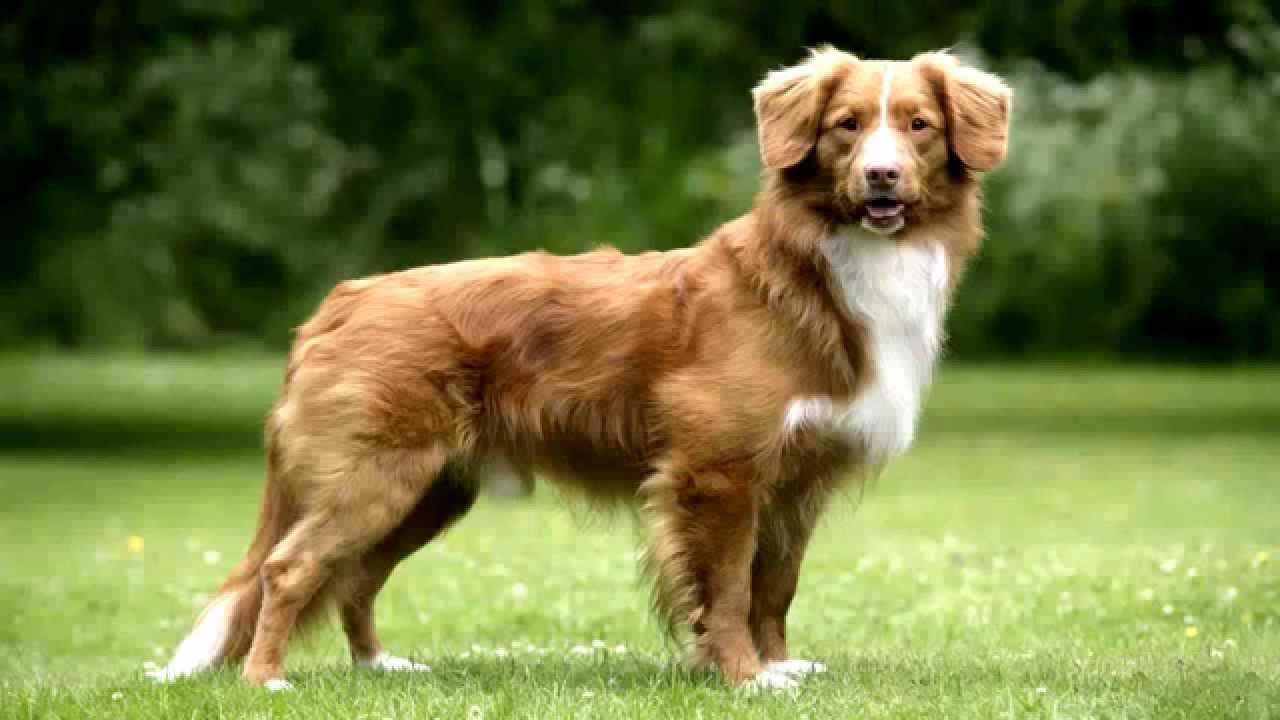
Anyway, I thought that this month I would highlight a breed that is not very well known in the dog world. It has only been recognized as a breed in the AKC since 2003 and is the 170th most popular breed. That breed is the Nova Scotia Duck Tolling Retriever. This breed’s odd name comes from its ability to lure ducks within shooting range by “dancing” on the shore, a technique known as tolling. The native Indians of Nova Scotia admired a fox’s ability to entice ducks this way, and they taught their dogs this behavior.
It was a unique ability, but wouldn’t it be nice if the dog could also retrieve? So that is what happened. The breeders started with the Micmac Indian dogs and skillfully blended some Golden and Labrador Retrievers, Chesapeake Bay and Flat-Coated Retrievers, a little Cocker Spaniel, Irish Setter and a touch of Collie. When they were done, they had created a small, enticing red-haired dog with boundless energy and amazing intelligence. It was called the Little River Duck Dog for many years, but in 1945 its name was changed to what it is today.
The Nova Scotia Duck-Tolling Retriever is like a deep-chested small Golden Retriever that has a dense coat and is well insulated for swimming in cold water. Their coat is various shades of red and orange and usually have small white markings on the feet, chest, tail tip and face. The powerful compact, well-muscled body is on sturdy, solid legs.
These dogs are extremely intelligent, easy to obedience train, and good with children. They make good companion dogs as long as they get enough exercise to fulfill their energetic needs. Due to their compact size and intelligence, they do well in agility competitions. Their compact size also makes them ideal for condo or apartment living.
Tollers may be a bit more reserved to strangers than the Golden Retriever, so start at an early age to socialize them with people and other dogs.
Health wise they tend to be pretty healthy. Conditions seen in the breed include hip dysplasia, patellar luxation, eye disease such as progressive retinal atrophy, Addison’s Disease and hypothyroidism. Not all conditions are detectable in a growing puppy, and it is hard to predict whether a puppy will be free of these maladies, so it is important to find a reputable breeder to assure that steps have been taken in the breed to minimize the occurrence of these conditions.
The Nova Scotia Duck-Tolling Retrievers are happy wherever they are – whether it is in the confirmation ring, hunting, or watching a movie. They are able to go from couch potato to bounding retriever in mere seconds. They like new experiences and are easy to take traveling. This breed learns wicked fast and they remember things that are important to them. They will never cease to amaze you. When you look into your Toller’s eyes you can see their intelligence and you know they love you – or maybe they are hungry, or want outside, or you have hidden the ball again. So if you want a dog breed that will never give you a dull moment, you may want to consider a Nova Scotia Duck-Tolling Retriever.
If you have any questions about this breed, or any other breed, please don’t hesitate to contact our office.
Caring For A Pet With Cancer
 As pets get older, owners tend to know when our pets are not feeling well or when a lump suddenly “pops” up on our pet. After visiting your local veterinarian, he may give you the words that you do not want to hear—it may be cancer. While the diagnosis can be devastating and painful to hear, it is important to remember there are many different forms of cancer and not all are viewed as terminal.
As with any illness or sickness, it is best to detect cancer at its earliest by bringing your pet in for regular veterinary check ups. Between examinations, it is best to monitor your pet for signs of cancer and schedule an appointment if any clinical signs appear. These may include:
- Abnormal bumps, lumps and swelling on the body
- Sores that will not heal
- Unexplained weight loss or appetite changes
- Bleeding from any body opening
- Unpleasant odor
- Difficulty urinating or defecating
- Persistent lameness
- Drooling or any sign of mouth discomfort
If you suspect that your pet has cancer, it is very important to have as much accurate information as possible for your veterinarian when treating your pet. It is essential to have an accurate diagnosis and your pet’s cancer correctly staged. This will help your veterinarian determine how advanced the cancer is and what possible success rates are for various treatments. Your veterinarian may recommend diagnostic procedures like laboratory tests, biopsies, x-rays, ultrasound or even surgical exploratories.
If perhaps we have a diagnosis of cancer, the goal is to provide your pet with the highest quality of life as long as possible. Dogs and cats tend to tolerate chemotherapy and radiation very well. When side effects do occur, your veterinarian can prescribe anti-nausea and pain medication, as well as nutritional support to keep your pet comfortable during treatment.
With some cases, we may come across cases where the cancer is advanced and your veterinarian may recommend palliative care only. This means that your pet’s veterinary team will keep your pet as comfortable as long as possible and not pursue more aggressive treatments. The primary goal is to maintain the best quality of life possible for your pet.
When dealing with cancer, it is important to watch your pet closely for signs of discomfort and pain and keep your veterinarian informed. Keep all follow up appointments scheduled and stay in contact with your veterinarian. We are here to help. It is also important to spend as much time as possible with your pet and provide a quiet, comfortable place to rest and sleep. Providing nutritional support and fresh water are also important. You may need to make access to an area for your pet to urinate and defecate because of the cancer treatments. Above all, enjoy the time that you have left with your pet.
During the course of treatment, your pet may start having more “bad” days than “good” days. When you feel that you have done all that you can do for your pet, it may be time to consider euthanasia. It is not a time to feel guilty about any decisions you make. This is a difficult decision as most owners weigh not seeing a pet suffer against a desire to not deprive the pet any more “good” days. When this time comes, be sure to communicate with your veterinarian. Communicate your pet’s medical status and learn what to expect in the days and weeks ahead. Talk to your veterinarian and find out what options are available for your beloved pet in case euthanasia is needed to alleviate the discomfort of your pet.
Don’t live under a cloud of doom and fear. It is best to live life to its fullest. We all live in the “Circle of Life”. Don’t waste the “life” part. Remember there is always hope and it is best to take one day at a time and appreciate the life that is left in your pet.
For more information, or questions and concerns, don’t hesitate to contact our office.
Separation Anxiety: Helping Your Pets When The Kids Go Back To School
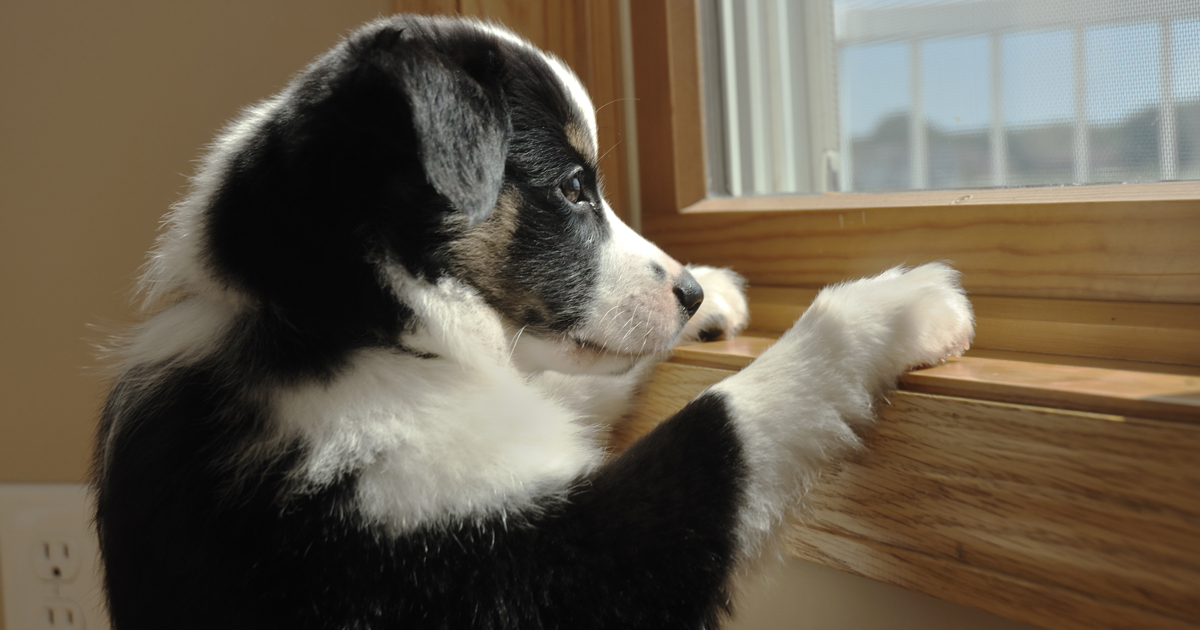 Pets and humans have much in common. One characteristic of both is that they can suffer from anxiety, specifically separation anxiety. During the back to school season, pets can experience this distress when your children leave for school and their owners leave for work. The alone time can be scary for pets, causing separation anxiety. Some pets will become agitated while their owners are preparing to leave, trying to stop them from going. Usually, right after a guardian leaves, a dog will begin barking and displaying other behaviors of distress after a short time of being home alone – often within minutes. When the owner returns, the pet may act as though they haven’t seen the guardian in years!
When treating a dog with separation anxiety, the goal is to resolve the pet’s underlying anxiety by teaching the pet to enjoy, or at least tolerate, being alone. This is done by setting things up so that they experience being alone without the fear or anxiety.
Some common signs of separation anxiety include urinating, defecating, barking, howling, chewing, digging, destruction, escaping, pacing, and coprophagia; when a pet eats some of their own excrement. The pets may or may not perform these behaviors in the presence of their owners.
There is no conclusive evidence of why pets develop this kind of anxiety. Some situations have been found as triggers for pets, showing they have anxiety. These are a change of guardian or family, a change in schedule, a change is residence, or a change in household membership; this is the sudden absence of a resident family member due to death or moving away.
It is important to rule out some medical or behavioral problems. These can be caused by incontinence, medications, submissive or excitement urination, incomplete house training, urine marking, puppy destruction, excessive barking and howling, and just plain boredom. The dogs with these problems often don’t appear anxious. If your pet shows these symptoms, there are plenty of online resources that will help, or you can contact your veterinarian.
A pets’ anxiety can be mild to severe. Treatment for mild separation anxiety can reduce or resolve the problem. Counterconditioning is a treatment process that changes an animal’s fearful, anxious or aggressive reaction to a pleasant, relaxed one instead. It is done by associating the sight or presence of a feared situation with something really good, something the pet loves. This may be their favorite treat, toy, or delicious food. Over time, the pet learns that being alone brings good things. To develop the good association, every time you leave the house, you can offer your pet a puzzle toy stuffed with food that will take them 20-30 minutes to complete. A great brand for this is KONG. You can stuff it with something tasty such as low-fat cream cheese, spray cheese, low-fat peanut butter, frozen banana and cottage cheese, even canned dog food and kibble. KONG toys can be frozen, to extend the amount of time it takes to getting all of the food out of the chew toy. This only works if these toys and treats are only available during time the owner is around and if they are only mildly anxious. Highly anxious pets usually won’t eat when their owners are not around.
Moderate to high separation anxiety requires a more complex program to desensitize their fear. You can read more on these programs on ASPCA’s website.
It is important to ensure that your pet never experiences the full-blown version of whatever provokes their anxiety. Your pet must experience only a low-intensity version that doesn’t frighten them. Without doing this, they won’t learn to feel calm and comfortable in situations that upset them. This all means that during your and your pets’ desensitization process, your pet cannot be left alone except during their sessions. If possible, take your pet to work with you. Ask for a family member, friend, or hire a dog sitter to stay with your pet while you are away.
While away, crates can provide a safe place when left alone. However, with some pets, crates cause more stress and anxiety. Crates do require training, and you should monitor your pets’ behavior during the training.
Other ways to decrease your pets’ stress include mental and physical ways to keep your pet busy. Some activities include aerobic activity, interactive games, walks, and reward-based training classes. Medication may help some dogs; to find out, contact your veterinarian.
Lastly, NEVER scold or punish your pet due to anxious behaviors. They are simply distress behaviors.
Separation anxiety is something that can be scary for owners and pets. Using the above methods can reduce their fear of being alone during the day, allowing them to look forward to the end of the day – when their owners come home!
Pets And Fireworks: How To Keep Your Pet Safe & Calm
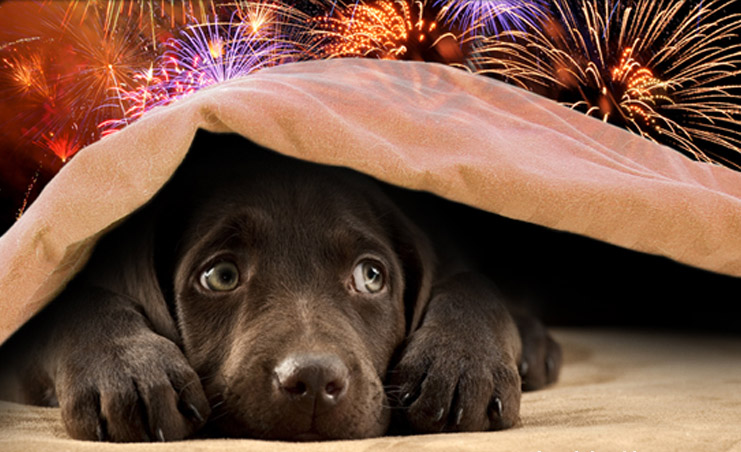 Oh, the joys of summer! For most of us, we look forward to celebrating the 4th of July with friends and family. For a lot of us, that usually involves fireworks. While enjoyable for people and pyromaniacs, the loud booms and bright flashes of the fireworks may not be enjoyable to our pets. A dogs hearing is ten times more sensitive than that of a human, so one can only imagine how loud and terrifying it can be to your pet. To help with reducing the fear and anxiety of your pet to the fireworks celebrations, I recommend the tips.
Hartz.com has many methods on calming your dog. One of which is creating a safe area for your dog to stay in for the festivities. Hartz says to remove all objects that could cause harm, make sure his ‘hiding-spot’ is accessible, and close the blinds to stop the bright light from entering his safe haven. Other methods include turning on a TV or radio might help muffle the loud booms, hence hiding the fireworks from your dog. You also should put a water bowl in his room. Dogs are more likely to drink when they are worried. If your dog wines and paces around, let them. They have found their safe spot. Try not to disturb them and don’t punish them for being afraid and having bad behavior.
A lot of people want to take their pets with them to a fireworks show. Do yourself and your pets a favor: LEAVE THEM AT HOME! They may run off in fear. In the rare case that you cannot leave your dog, be sure to have them microchipped and your information up to date if your dog runs off.
You can do some things before July 4 to reduce the amount of stress your dog endures. Add some cooked potato or white rice to their meal that evening. Similar to people, the carbohydrates will make them feel fuller and sleepier, allowing them to be less anxious. You can take them on a longer than usual walk or play a tiring game with them making the sleepier in the night. You can give your dog a massage to relax them, you can cuddle with them and provide distractions whilst the fireworks are shooting off. If necessary, you may want to talk to your veterinarian and have them prescribe sedatives to calm the dog. A ThunderShirt may be a good solution as it has a very high success rate at calming anxious dogs.
Fireworks and dogs almost never mix; if you use these methods, your dog may be calmer and more peaceful during the July 4 festivities that are yet to come. If you have further questions, or your pet has special needs, don’t hesitate to contact our office.