
Posts Tagged ‘vet in Edwardsville’
Separation Anxiety: Helping Your Pets When The Kids Go Back To School
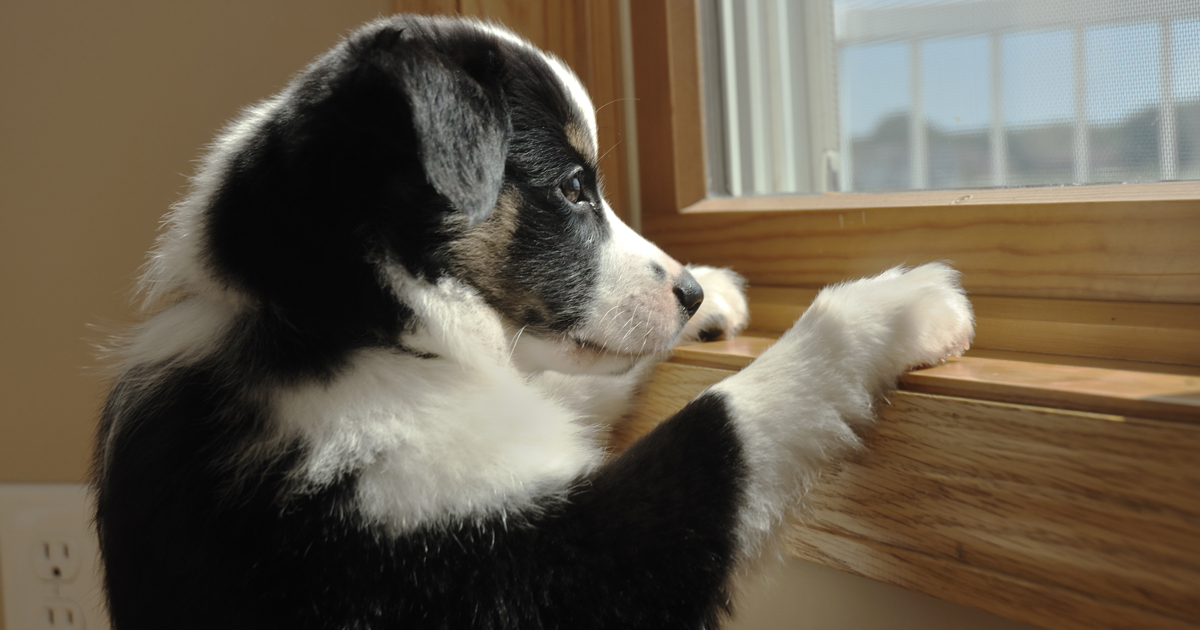 Pets and humans have much in common. One characteristic of both is that they can suffer from anxiety, specifically separation anxiety. During the back to school season, pets can experience this distress when your children leave for school and their owners leave for work. The alone time can be scary for pets, causing separation anxiety. Some pets will become agitated while their owners are preparing to leave, trying to stop them from going. Usually, right after a guardian leaves, a dog will begin barking and displaying other behaviors of distress after a short time of being home alone – often within minutes. When the owner returns, the pet may act as though they haven’t seen the guardian in years!
When treating a dog with separation anxiety, the goal is to resolve the pet’s underlying anxiety by teaching the pet to enjoy, or at least tolerate, being alone. This is done by setting things up so that they experience being alone without the fear or anxiety.
Some common signs of separation anxiety include urinating, defecating, barking, howling, chewing, digging, destruction, escaping, pacing, and coprophagia; when a pet eats some of their own excrement. The pets may or may not perform these behaviors in the presence of their owners.
There is no conclusive evidence of why pets develop this kind of anxiety. Some situations have been found as triggers for pets, showing they have anxiety. These are a change of guardian or family, a change in schedule, a change is residence, or a change in household membership; this is the sudden absence of a resident family member due to death or moving away.
It is important to rule out some medical or behavioral problems. These can be caused by incontinence, medications, submissive or excitement urination, incomplete house training, urine marking, puppy destruction, excessive barking and howling, and just plain boredom. The dogs with these problems often don’t appear anxious. If your pet shows these symptoms, there are plenty of online resources that will help, or you can contact your veterinarian.
A pets’ anxiety can be mild to severe. Treatment for mild separation anxiety can reduce or resolve the problem. Counterconditioning is a treatment process that changes an animal’s fearful, anxious or aggressive reaction to a pleasant, relaxed one instead. It is done by associating the sight or presence of a feared situation with something really good, something the pet loves. This may be their favorite treat, toy, or delicious food. Over time, the pet learns that being alone brings good things. To develop the good association, every time you leave the house, you can offer your pet a puzzle toy stuffed with food that will take them 20-30 minutes to complete. A great brand for this is KONG. You can stuff it with something tasty such as low-fat cream cheese, spray cheese, low-fat peanut butter, frozen banana and cottage cheese, even canned dog food and kibble. KONG toys can be frozen, to extend the amount of time it takes to getting all of the food out of the chew toy. This only works if these toys and treats are only available during time the owner is around and if they are only mildly anxious. Highly anxious pets usually won’t eat when their owners are not around.
Moderate to high separation anxiety requires a more complex program to desensitize their fear. You can read more on these programs on ASPCA’s website.
It is important to ensure that your pet never experiences the full-blown version of whatever provokes their anxiety. Your pet must experience only a low-intensity version that doesn’t frighten them. Without doing this, they won’t learn to feel calm and comfortable in situations that upset them. This all means that during your and your pets’ desensitization process, your pet cannot be left alone except during their sessions. If possible, take your pet to work with you. Ask for a family member, friend, or hire a dog sitter to stay with your pet while you are away.
While away, crates can provide a safe place when left alone. However, with some pets, crates cause more stress and anxiety. Crates do require training, and you should monitor your pets’ behavior during the training.
Other ways to decrease your pets’ stress include mental and physical ways to keep your pet busy. Some activities include aerobic activity, interactive games, walks, and reward-based training classes. Medication may help some dogs; to find out, contact your veterinarian.
Lastly, NEVER scold or punish your pet due to anxious behaviors. They are simply distress behaviors.
Separation anxiety is something that can be scary for owners and pets. Using the above methods can reduce their fear of being alone during the day, allowing them to look forward to the end of the day – when their owners come home!
Pets And Fireworks: How To Keep Your Pet Safe & Calm
 Oh, the joys of summer! For most of us, we look forward to celebrating the 4th of July with friends and family. For a lot of us, that usually involves fireworks. While enjoyable for people and pyromaniacs, the loud booms and bright flashes of the fireworks may not be enjoyable to our pets. A dogs hearing is ten times more sensitive than that of a human, so one can only imagine how loud and terrifying it can be to your pet. To help with reducing the fear and anxiety of your pet to the fireworks celebrations, I recommend the tips.
Hartz.com has many methods on calming your dog. One of which is creating a safe area for your dog to stay in for the festivities. Hartz says to remove all objects that could cause harm, make sure his ‘hiding-spot’ is accessible, and close the blinds to stop the bright light from entering his safe haven. Other methods include turning on a TV or radio might help muffle the loud booms, hence hiding the fireworks from your dog. You also should put a water bowl in his room. Dogs are more likely to drink when they are worried. If your dog wines and paces around, let them. They have found their safe spot. Try not to disturb them and don’t punish them for being afraid and having bad behavior.
A lot of people want to take their pets with them to a fireworks show. Do yourself and your pets a favor: LEAVE THEM AT HOME! They may run off in fear. In the rare case that you cannot leave your dog, be sure to have them microchipped and your information up to date if your dog runs off.
You can do some things before July 4 to reduce the amount of stress your dog endures. Add some cooked potato or white rice to their meal that evening. Similar to people, the carbohydrates will make them feel fuller and sleepier, allowing them to be less anxious. You can take them on a longer than usual walk or play a tiring game with them making the sleepier in the night. You can give your dog a massage to relax them, you can cuddle with them and provide distractions whilst the fireworks are shooting off. If necessary, you may want to talk to your veterinarian and have them prescribe sedatives to calm the dog. A ThunderShirt may be a good solution as it has a very high success rate at calming anxious dogs.
Fireworks and dogs almost never mix; if you use these methods, your dog may be calmer and more peaceful during the July 4 festivities that are yet to come. If you have further questions, or your pet has special needs, don’t hesitate to contact our office.
Can My Pet Be Lactose Intolerant?
 Did you know your pet can be lactose intolerant – and why this happens? We all see the commercials and the pictures of dogs and cats drinking milk out of children’s cereal bowls. But just because they eat it, does that mean it is the safe and advisable thing to do?
Lactose vs. Lactase
With lactose intolerance, the pets don’t possess the lactase enzyme to break down the lactose, which is a sugar. Lactase is an enzyme that breaks down and helps the digestive system to process lactose. The higher the lactose content, the less likely that your pet will be able to enjoy the aftermath, regardless of how happily it eats, drinks, or laps it up.
Without the lactase, the pet simply cannot digest the milk products and acute intestinal symptoms almost always arrive. These clinical signs can include:
- diarrhea
- abdominal pain
- bloating, nausea
- vomiting
These are all fairly typical indications of gastrointestinal distress. Sometimes a pet will drink excessive amounts of water when suffering from lactose intolerance, since diarrhea and vomiting are associated with it, causing the pet can be susceptible to dehydration.
I know that I will be presented with the argument that puppies and kittens drink mother’s milk at birth and is the primary source of nutrition for them. But as they grow older, their lactase production has decreased dramatically, therefore they do not produce enough to break down the lactose in milk. Another contributing factor is the fact that cow’s and goat’s milk have about twice the amount of lactose compared to a dog’s or cat’s milk. This high level can overpower the pet’s ability to digest it and can often lead to diarrhea.
Even though pets with milk intolerance can exhibit clinical signs, they can, under some circumstances, have some dairy products such as cheese and unpasteurized yogurt that usually have the lactose removed or broken down through bacterial actions. As a result, these products are ofter tolerated well in pets that would otherwise get diarrhea.
The general rule of thumb for pets and dairy products of all varieties is that they need to be low in lactose, low-to-no sodium, and with as little artificial preservatives and sweeteners as possible. If you feel compelled to give your pet a dairy product, do so in small amounts to establish your individual pet’s tolerance. Proceed with caution, and as with anything else, don’t hesitate to contact our office if you have any questions.
What To Look For If Your Pet Is Bitten By A Tick
 With the spring weather rapidly approaching, you and your pet are probably excited to get out and explore the great outdoors. However, lurking in the woods are some old eight-legged nemesis’ that can cause harm to your pets. If your pet is bitten by a tick, it can spread harmful diseases through their bites.
Each year thousands of dogs are infected with dangerous tick-transmitted diseases-with the risk rising. Between 2006 and 2010 there was a 30 percent increase in the rate of dogs exposed to tick-transmitted diseases.
Ticks are parasites that attach themselves to dogs and cats, feed on their blood and transmit diseases directly into the their system. There are many tick-borne diseases seen throughout the United States. Some of the major tick-borne diseases that are seen in the Midwest include:
- Lyme disease, which is spread by the deer tick, can cause enlarged, swollen and sore joints with a loss of appetite, fever and fatigue. Severe cases can lead to kidney disease and heart disease. There are vaccines that are available for dogs to prevent the dog from getting infected with it.
- Canine ehrlichiosis, Carried by the brown dog tick, this disease is the most common and one of the most dangerous tick-borne disease organisms known to infect dogs. This disease can cause depression, anorexia, fever with stiff, painful joints and bruising. Severe cases may include dogs suffering with seizures. There are no vaccines available. If it is diagnosed, antibiotics are used to help control the bacterial numbers in the dog.
- Anaplasmosis, also called dog fever or tick fever, is transmitted from the deer tick. It is seen in both dogs and cats. Like most of the other related diseases, clinical signs include pain in the joints and fever. Anaplasmosis can also cause diarrhea and nervous system disorders. The clinical signs usually persist about 2 weeks after the tick bite. It is also treated with long term antibiotics.
- Rocky Mountain Spotted Fever comes from the American dog tick, the wood tick and the lone star tick. Symptoms include fever, stiffness, neurological problems and skin lesions. Typically the illness last about two weeks, but serious cases can result in death.
- Babesia is a protozoan organism that is transmitted to dogs and cats from the American dog tick or the brown dog tick. This protozoan then attaches to the red blood cells and causes anemia. Severe signs in dogs include pale gums, depression, dark-colored urine, fever and swollen lymph nodes. Collapse and shock can be seen in severe cases. There are no vaccines available.
- Tularemia is seen more in cats than dogs. With this disease in cats, a high fever, swollen lymph nodes, nasal discharge or abscesses may be seen. Dogs tend to present with a reduced appetite, depression, and a mild fever.
- Hemobartonella is a tick-borne disease that causes the red blood cells to break down leading to anemia and weakness. In cats it is known as Feline Infectious Anemia. Treatment consists of long term antibiotics with blood transfusions possibly necessary in severe cases.
- Tick paralysis is caused by a secreted toxin from ticks. It affects the dogs’ nervous system with weakness starting in the rear legs and progressing to all four legs followed by breathing and swallowing difficulties.
The key to curing tick-borne disease is early diagnosis and treatment. Several broad-spectrum antibiotics are generally effective, especially in the early stages of the disease. Since antibiotics don’t differentiate between the “good” and “bad” bacteria, you may want to add a probiotic to avoid gastrointestinal problems. Be sure to follow the advice of your veterinarian.
There are numerous products and medications available to prevent ticks on your pet over the counter and from your veterinarian. No method offers 100 percent protection. If you have a field dog, they are vulnerable to tick-borne diseases because of the time spent in the tick-infested environment. So owners should diligent about applying topical and systemic treatments before outings. It is important to check your pets daily during the tick season and be removed properly if present. Ticks need to be embedded at least 24 to 48 hours to spread infections, so if checked every day, then the risk of infections being spread are lessened.
Tick-borne disease can rebound rapidly if your pet’s treatment only succeeded in suppressing rather than killing ticks. Since recurring tick diseases are harder to control or eradicate, don’t relax too soon if your pet recovers. Make sure that your pet has recovered completely and give it time to get back to recover completely. To further protect your pet, remain vigilant with regular blood work to detect recurrences.
Finally, to make an informed decision about protecting your pet from tick-borne diseases, talk to your veterinarian about the best tick-control approach for your dog.
Parvovirus 101

Parvovirus is a highly contagious virus that is of particular concern to puppy owners due to the severity of the symptoms, the weak immune system and possible death of the puppy. The virus manifests itself in two forms. The most common form is the intestinal form, which is characterized by vomiting, diarrhea, weight loss, lethargy and lack of appetite. The less common form is the cardiac form, which attacks the heart muscles of very young puppies, often leading to death.
The intestinal form of the virus is passed through oral contact both directly and indirecty with the virus. Clinical signs will show most commonly about 5 to 10 days after exposure. It can also be spread through fomites, feces, or through infected soil and once an uninfected dog comes in to oral contact with the infection, the virus can spread quickly through the lymphoid tissue in the dog’s throat. After replication the virus will then spread to the bloodstream where it attacks cells in the bone marrow, lymph nodes, and intestines. Parvovirus then destroys those fast growing cells, depleting the body of the white blood cells and the lymphocytes, along with destroying the cells in the intestines. Puppies can then become toxic and septicemic due to the poisoning of the blood system from the virus. The puppy has the inability to absorb nutrients and will become dehydrated and weak quickly from lack of protein and fluid absorption. The puppy’s abdomen may become painful on palpation and the heart may beat rapidly.
The cardiac form seen in puppies is usually fatal. It is less common and is usually spread to the puppy in utero or when the mother is pregnant with them. The virus damages the heart muscle which aren’t strong enough to withstand the virus. The death of the puppies with this form usually come on suddenly and the puppy shows little sign of distress.
Parvo is usually a disease of young puppies from four weeks to six months of age or in the older immunosuppressed dog. Time is one of the most significant factors in whether or not a treatment of parvo will be successful: thr earlier the virus is detected and the treatment begins, the better the outlook for treatment. If the virus is caught quickly enough, treatment can begin and death can be prevented. So if your pet has any of those symptoms, it is best to seek veterinary care immediately. The mortality rate is around 91% if left untreated, but with treatment mortality rates drop to 5% to 20% when treated aggressively. When presented with a possible parvo puppy, most veterinarian’s protocols will include a thorough physical examination, necessary blood work such as a complete blood count and chemistry and either an EIA or hemagglutination test on a feces sample to look for signs of parvovirus.
A puppy should always be hospitalized in order to receive treatment. Treatment usually consists of administration of IV fluids and colloids, administration of anti-nausea medications and injections of antibiotics depending upon the dog and the veterinarian administering the treatment. The administration of the fluids serve as both to rehydrate and rebalance the levels of the electrolytes to maintain healthy functions. Sometimes blood plasma transfusions may be needed to provide passive immunity to the sick individual with developed antibodies. After the initial treatment, the puppy will be weaned off additional fluids once they are able to keep fluids down. Bland foods that are easy on the gastrointestinal system is usually recommended along with oral antibiotics to help fight potential for infection due to the low white blood cell counts. Any infections following the treatment of parvovirus can lead to death because of the weakened immune system.
Because parvo can be a devastating virus, one of the most significant things any dog owner can do is prevent infection of their dog. The first step in preventing it is to properly have their puppy vaccinated based on the recommendation of their veterinarian. Most puppies derive immunity through their mother’s colostral antibodies that they receive with the first milk that they get after birth. Because of this, here at the Olsen Veterinary Clinic, we recommend starting a vaccination schedule at 6 to 8 weeks of age and then vaccinate every 3 to 4 weeks until the puppy is 16 weeks old. Our recommendation is not the number of vaccinations that it gets, but when they get them at their chronological age.
To prevent the spread of the parvovirus, it is important to decontaminate where your puppy has been. It is also important to realize that even though your puppy survived the treatment, it can still contaminate other healthy dogs with the virus through their feces. The parvovirus can survive living in the soil for as long as a year so it is crucial to decontaminate completely areas where and infected or successfully treated dog eliminates its waste. The only chemical known to kill parvo is bleach at a 15:1 ratio. The general advice is to wait about 6 months before bringing a new puppy home. It is also advised to have the puppy completely vaccinated before bringing them in to a home that has been recently exposed to the parvovirus.
The old adage of “happy neighbors are good neighbors” applies here. An important step is to notify your neighbors and friends if they have been in contact with your premises or pet. Since parvo can be spread from dog to dog in addition to being spread through feces and soil, it is important that your neighbors know. They may simply expose their pet to parvo by simply walking their puppy on your grass or even by walking across your yard and then taking it home. It is important to share the information that you have learned with your neighbors because if they see similar clinical signs and symptoms, they can act on it promptly.
Parvovirus is a very destructive and very rapidly moving disease that can kill an otherwise healthy puppy in a matter of days, but with proper precautions it can possibly be wiped out. All it takes is regular vaccinations of all dogs in addition to treatment and appropriate decontamination of infected areas. Even if a dog is successfully treated and recovers from parvo without proper decontamination of the home area, it is possible to spread the disease to other dogs in the community. It takes a combinations of responsible pet ownership, good veterinary care, and vigilant decontamination of infected areas in order to prevent and hopefully eliminate this virus.