
Posts Tagged ‘pet immunization’
Distemper Facts Every Pet Owner Should Know
 Recently you may have read in the news about a distemper outbreak at a St. Louis adoption agency that killed several dogs and puppies. That is terrible news, but most times, distemper can be preventible.
Distemper is a viral disease that is related to the virus that causes measles in humans. It is spread through all body secretions, especially airborne particles from breathing. This makes it easy for an untreated or unvaccinated dogs to be infected. It appears most often in puppies that are between 6 and 12 weeks who haven’t been vaccinated because the protective antibodies that they had received from their mothers had fallen to a level too low to prevent infection. Not only dogs transfer the infection, but other animals are threats to spread this disease. The most common species that can spread distemper are raccoons, skunks and foxes. Coming into contact with the droppings of these animals can easily spread the disease.
Initially, the disease may present itself with mild symptoms may be mild. These symptoms may include:
- Fever of 103 to 109
- Watery discharge from the eyes and nose
- Depression and listlessness
- Loss of appetite
- Thick, yellow discharge from the eyes and nose
- Dry cough
- Pus blisters on the abdomen
- Vomiting
- Diarrhea
As the disease progresses, it attacks the brain and the symptoms become neurological. Disease progression clinical signs could include:
- Slobbering
- Head shaking
- Chewing jaw motions
- Seizure-like symptoms, such as falling over and kicking feet uncontrollably
- Blindness
- Rhythmic muscle jerking of the head and neck
- Thick, horny skin on the nose and callus-like pads on the feet
If your pet gets distemper, it can’t be cured. Dogs that have progressed to the neurological stage are at a much higher risk of death than if it is caught earlier and treated. Treatment can help the dog mount an immune response better or it may lessen the symptoms of distemper. Since distemper is a virus, the dog’s life relies on the dog’s ability to fight off the disease. Your veterinarian may prescribe antibiotics to prevent secondary infections. He may also give the dog IV fluids to address the dehydration and he may prescribe medications to control diarrhea, vomiting and seizures.
Success of the treatments are largely dependent on the age of the dog, how quickly you seek help, the distemper strain, and whether your dog has been vaccinated. Vaccination against distemper is highly protective.
Some dogs may recover on their own, but owners should never take the wait and see approach with distemper. If your dog recovers from distemper, and that is a big “if”, your dog would be naturally immune to a second attack, just like measles in humans.
I would recommend using caution when socializing puppies or unvaccinated dogs at parks, obedience classes, doggy day care and other places where dogs can congregate since this disease is quite contagious. Make sure that you do not share food or water bowls with other dogs as this can be a common source of infection.
I can’t stress enough how important that your dog should be vaccinated for distemper. This vaccination is usually started when the puppy is 5 to 6 weeks old and continued every 3 to 4 weeks until the puppy is 4 months old. This should provide long lasting immunity. But it is not permanent. If your dog is adopted, ask the facility if and when they had given the distemper vaccine. No dog should ever die of distemper as the vaccinations are quite effective.
With the quality vaccines distemper is very preventible. Keeping your pet current on its’ vaccines is extremely important. If you have any further questions or need your pet vaccinated, please feel free to contact us here or call us at 618-656-5868.
Parvovirus 101

Parvovirus is a highly contagious virus that is of particular concern to puppy owners due to the severity of the symptoms, the weak immune system and possible death of the puppy. The virus manifests itself in two forms. The most common form is the intestinal form, which is characterized by vomiting, diarrhea, weight loss, lethargy and lack of appetite. The less common form is the cardiac form, which attacks the heart muscles of very young puppies, often leading to death.
The intestinal form of the virus is passed through oral contact both directly and indirecty with the virus. Clinical signs will show most commonly about 5 to 10 days after exposure. It can also be spread through fomites, feces, or through infected soil and once an uninfected dog comes in to oral contact with the infection, the virus can spread quickly through the lymphoid tissue in the dog’s throat. After replication the virus will then spread to the bloodstream where it attacks cells in the bone marrow, lymph nodes, and intestines. Parvovirus then destroys those fast growing cells, depleting the body of the white blood cells and the lymphocytes, along with destroying the cells in the intestines. Puppies can then become toxic and septicemic due to the poisoning of the blood system from the virus. The puppy has the inability to absorb nutrients and will become dehydrated and weak quickly from lack of protein and fluid absorption. The puppy’s abdomen may become painful on palpation and the heart may beat rapidly.
The cardiac form seen in puppies is usually fatal. It is less common and is usually spread to the puppy in utero or when the mother is pregnant with them. The virus damages the heart muscle which aren’t strong enough to withstand the virus. The death of the puppies with this form usually come on suddenly and the puppy shows little sign of distress.
Parvo is usually a disease of young puppies from four weeks to six months of age or in the older immunosuppressed dog. Time is one of the most significant factors in whether or not a treatment of parvo will be successful: thr earlier the virus is detected and the treatment begins, the better the outlook for treatment. If the virus is caught quickly enough, treatment can begin and death can be prevented. So if your pet has any of those symptoms, it is best to seek veterinary care immediately. The mortality rate is around 91% if left untreated, but with treatment mortality rates drop to 5% to 20% when treated aggressively. When presented with a possible parvo puppy, most veterinarian’s protocols will include a thorough physical examination, necessary blood work such as a complete blood count and chemistry and either an EIA or hemagglutination test on a feces sample to look for signs of parvovirus.
A puppy should always be hospitalized in order to receive treatment. Treatment usually consists of administration of IV fluids and colloids, administration of anti-nausea medications and injections of antibiotics depending upon the dog and the veterinarian administering the treatment. The administration of the fluids serve as both to rehydrate and rebalance the levels of the electrolytes to maintain healthy functions. Sometimes blood plasma transfusions may be needed to provide passive immunity to the sick individual with developed antibodies. After the initial treatment, the puppy will be weaned off additional fluids once they are able to keep fluids down. Bland foods that are easy on the gastrointestinal system is usually recommended along with oral antibiotics to help fight potential for infection due to the low white blood cell counts. Any infections following the treatment of parvovirus can lead to death because of the weakened immune system.
Because parvo can be a devastating virus, one of the most significant things any dog owner can do is prevent infection of their dog. The first step in preventing it is to properly have their puppy vaccinated based on the recommendation of their veterinarian. Most puppies derive immunity through their mother’s colostral antibodies that they receive with the first milk that they get after birth. Because of this, here at the Olsen Veterinary Clinic, we recommend starting a vaccination schedule at 6 to 8 weeks of age and then vaccinate every 3 to 4 weeks until the puppy is 16 weeks old. Our recommendation is not the number of vaccinations that it gets, but when they get them at their chronological age.
To prevent the spread of the parvovirus, it is important to decontaminate where your puppy has been. It is also important to realize that even though your puppy survived the treatment, it can still contaminate other healthy dogs with the virus through their feces. The parvovirus can survive living in the soil for as long as a year so it is crucial to decontaminate completely areas where and infected or successfully treated dog eliminates its waste. The only chemical known to kill parvo is bleach at a 15:1 ratio. The general advice is to wait about 6 months before bringing a new puppy home. It is also advised to have the puppy completely vaccinated before bringing them in to a home that has been recently exposed to the parvovirus.
The old adage of “happy neighbors are good neighbors” applies here. An important step is to notify your neighbors and friends if they have been in contact with your premises or pet. Since parvo can be spread from dog to dog in addition to being spread through feces and soil, it is important that your neighbors know. They may simply expose their pet to parvo by simply walking their puppy on your grass or even by walking across your yard and then taking it home. It is important to share the information that you have learned with your neighbors because if they see similar clinical signs and symptoms, they can act on it promptly.
Parvovirus is a very destructive and very rapidly moving disease that can kill an otherwise healthy puppy in a matter of days, but with proper precautions it can possibly be wiped out. All it takes is regular vaccinations of all dogs in addition to treatment and appropriate decontamination of infected areas. Even if a dog is successfully treated and recovers from parvo without proper decontamination of the home area, it is possible to spread the disease to other dogs in the community. It takes a combinations of responsible pet ownership, good veterinary care, and vigilant decontamination of infected areas in order to prevent and hopefully eliminate this virus.
FAQ’s About Pet Vaccinations
 Vaccinations are part of a basic pet wellness program that the Olsen Veterinary Clinic administers in Glen Carbon and the surrounding area. If you are not familiar with veterinary concerns or have never owned a pet up to this point, it is understandable that you might not know exactly what the pet vaccinations can do to safeguard your pet’s health. As August has been designated National Immunization Awareness Month, here are some frequently asked questions we get from pet owners regarding dog and cat vaccinations.
What is a vaccination?
A vaccination is an injection that is given under the skin to stimulate the production of antibodies by the pet’s immune system against specific infections. They are needed once the antibodies transferred from the mothers to the newborn puppies and kittens wears off, which usually occurs within weeks of birth.
Are pet vaccinations harmful to my pet?
A vast majority of the vaccinations are actually quite safe and cause no illness to the pet. However, some pets may have mild side effects that can include fever, swelling, redness and digestive upset. If this has previously occurred it may be important to let your veterinarian know so that steps can be made to prevent or minimize the side effects.
What are “core vaccinations”?
Core vaccinations are vaccines that protect your pet against a handful of common and dangerous illnesses. Rabies is among the most important, because it is fatal to pets and can be spread easily to humans and other mammals. Because of this, it is important to vaccinate both cats and dogs against rabies. Other vaccinations that are considered core vaccines for your dog include canine hepatitis, parvovirus and canine distemper. While in cats, the core vaccinations include feline calicivirus, feline distemper, and Feline Herpes Virus along with the rabies vaccine.
What other vaccinations should I consider?
There are other diseases that can affect your pet. Here we tailor the vaccinations depending on the probable risks that your pet might incur. If your dog is quite mobile, groomed or boarded, or is in contact with other dogs, we would recommend vaccinating for Bordetella or as it is commonly known as “kennel cough.” Another disease that is becoming more prevalent seen in dogs is Canine Influenza. This disease is also contracted by contact with infected animals, so this may be one to consider. Finally if your pet is in contact with a lot of ticks or is in the woods, I would possibly recommend vaccinating to protect your pet from Lyme disease which is carried by the deer tick.
Why does my pet need booster shots?
Just as the original immunity provided from the mother’s milk fades over time, prescribed vaccines have a limited protective span. They can wear off over time and then your pet will be vulnerable to the diseases which can be deadly. The booster shots help keep the level of immunity consistent to ensure the best possible protection for life.
How often must the vaccinations be updated?
The vaccinations provide protections for different lengths of time. Some may be one year, for example rabies, while some can be longer. Since we tailor the vaccination schedule to meet your needs, we can provide you a schedule showing when each vaccine should be updated. If you happen to miss a scheduled update, it is best to bring your pet in as soon as possible so that the protection will not decrease.
The Olsen Veterinary Clinic urges pet owners to schedule the necessary pet vaccinations and updates with your veterinarian. By keeping your pet vaccinated properly, you will help to ensure that your pet has a long and healthy life.
Get Your Pets Immunized!
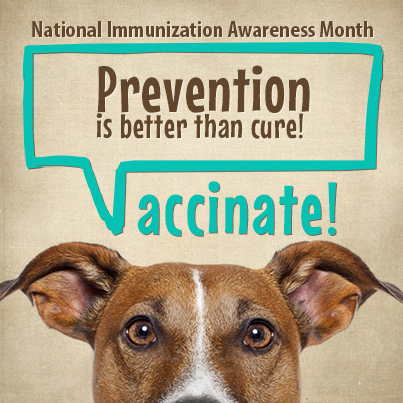 August is National Immunization Awareness Month. This observance offers the opportunity to remind the community of the importance of immunization to prevent disease. Each year thousands of pets succumb to diseases that could be preventable by vaccinations.
Giving your pet regular vaccinations is the secret to a healthy pet’s life. Vaccines now cover multiple diseases like DHLPP in dogs and FVCRP in cats. These diseases can cause illness in your pet so it is important to vaccinate to reduce the risk and protect the health of your pet. Other diseases that can be vaccinated against include Bordetella which is a upper respiratory disease in dogs and Lyme disease which affects the joints of your dog.
Not only is it important to vaccinate your pet against those diseases, it is of utmost importance to vaccinate your pet against rabies. Rabies is a disease that can be transmitted to humans. This disease is capable of paralyzing the nervous system in your pet and can be spread through saliva. Rabies is preventable by vaccinating against it. The rabies virus is a fast moving virus, so if your pet is not treated soon after the symptoms appear, the prognosis is very poor. So, if your pet has been bitten by, been in a fight, or in contact with a rabid animal, it is my recommendation that you take your pet to your veterinarian for preventative care immediately
There are many symptoms to watch for in your pets. These include seizures, paralysis, difficulty swallowing, lack of muscular coordination, aggression and excessive excitability. There are now 1 year and 3 year vaccinations that are more effective and convenient. Always make sure your pets’ rabies vaccine is up to date.
In addition to rabies is protecting your pet from fleas and ticks. With the recent warm weather and the advent of summer, it is important to be aware of the diseases that can be spread by the insect and arthropod vectors like the mosquito, tick and flea. These three parasites carry a lot of diseases that not only affect your pet but also can cause sickness in you.
The mosquito-borne diseases which are spread by a bite from a mosquito include Heartworm Disease, Encephalitis, West Nile, and Yellow Fever. Heartworm disease can be fatal to dogs if left untreated, but it is easier to prevent it than treat it. The other diseases can affect humans as well with clinical signs ranging from fever to headaches to even death.
Feel free to contact us at our office to make sure that your pet is up-to-date with its vaccinations. It can be a matter of life or death.