Posts Tagged ‘veterinarian in Glen Carbon’
Can My Pet Be Lactose Intolerant?
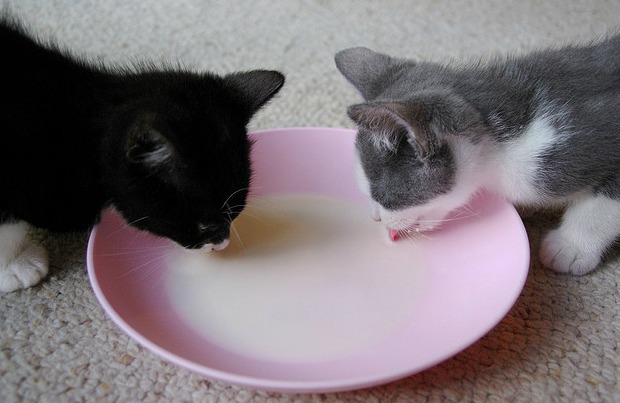 Did you know your pet can be lactose intolerant – and why this happens? We all see the commercials and the pictures of dogs and cats drinking milk out of children’s cereal bowls. But just because they eat it, does that mean it is the safe and advisable thing to do?
Lactose vs. Lactase
With lactose intolerance, the pets don’t possess the lactase enzyme to break down the lactose, which is a sugar. Lactase is an enzyme that breaks down and helps the digestive system to process lactose. The higher the lactose content, the less likely that your pet will be able to enjoy the aftermath, regardless of how happily it eats, drinks, or laps it up.
Without the lactase, the pet simply cannot digest the milk products and acute intestinal symptoms almost always arrive. These clinical signs can include:
- diarrhea
- abdominal pain
- bloating, nausea
- vomiting
These are all fairly typical indications of gastrointestinal distress. Sometimes a pet will drink excessive amounts of water when suffering from lactose intolerance, since diarrhea and vomiting are associated with it, causing the pet can be susceptible to dehydration.
I know that I will be presented with the argument that puppies and kittens drink mother’s milk at birth and is the primary source of nutrition for them. But as they grow older, their lactase production has decreased dramatically, therefore they do not produce enough to break down the lactose in milk. Another contributing factor is the fact that cow’s and goat’s milk have about twice the amount of lactose compared to a dog’s or cat’s milk. This high level can overpower the pet’s ability to digest it and can often lead to diarrhea.
Even though pets with milk intolerance can exhibit clinical signs, they can, under some circumstances, have some dairy products such as cheese and unpasteurized yogurt that usually have the lactose removed or broken down through bacterial actions. As a result, these products are ofter tolerated well in pets that would otherwise get diarrhea.
The general rule of thumb for pets and dairy products of all varieties is that they need to be low in lactose, low-to-no sodium, and with as little artificial preservatives and sweeteners as possible. If you feel compelled to give your pet a dairy product, do so in small amounts to establish your individual pet’s tolerance. Proceed with caution, and as with anything else, don’t hesitate to contact our office if you have any questions.
How To Conquer Mealtime With A Picky Pet
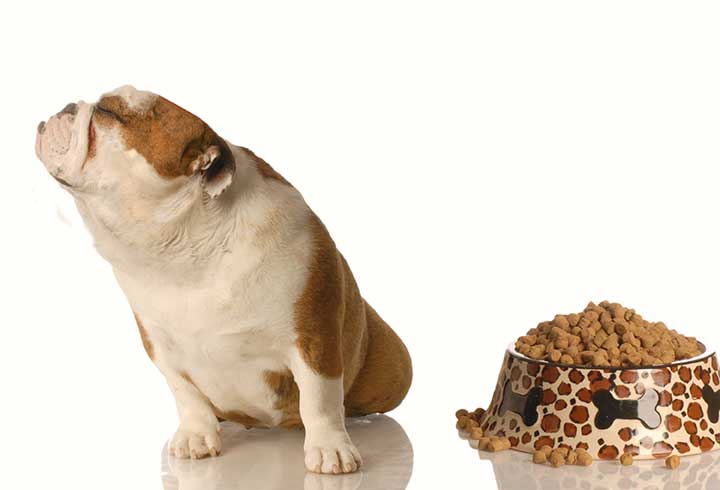 Do you have a picky pet? There is actually a difference between a picky and a finicky eater. A picky eater will occasionally refuse to eat and can easily be tempted with a slice of cheese added to his bowl. A finicky eater is a dog that has decided to give up dog food for good.
Have you ever wondered why your dog refuses to eat its food? If you give your pet treats or table scraps all day, it may just turn up its nose if you give plain dog food. If you are going to give your pet bacon or steak for breakfast, would you blame it for shying away from just the dog food? Chances are you might just be able to answer your own question by looking in the mirror. By caving in and giving those treats, you may have created a “monster” that becomes finicky or picky.
If there is no disease or illness present, then you just may have a finicky or picky eater. A picky dog will maintain its healthy weight, be alert and playful. It will also have a shiny coat, and is usually not a concern. When it suddenly stops eating, dropped a few pounds, and has a less lustrous hair coat, these symptoms may be a sign of illness or disease. In this situation, I would recommend a veterinary check-up as soon as possible.
So if you just have a finicky eater, here are some ways to persuade it to eat.
- Tone down the treats- A finicky eater is more likely to eat if it is not comparing its dog food to a liver treat.
- Feed often- Try feeding smaller amounts of its regular food three to four times a day. Set the food out for 30 minutes. If it isn’t eaten, pick it up and offer it again later. By doing this, you are helping your dog learn that no other option will exist. Don’t give in! Eventually, your dog will eat if it is hungry.
- Exercise- It is good for so many things and it increases a dog’s hunger. Try always exercising your pup before a meal.
- Spay or Neuter- If you haven’t already, fix your pup. Besides the many health and behavioral benefits, it can help prevent a finicky eater.
- Make it positive- Always make feeding a positive experience. By keeping feeding time positive, the overall experience will also provide positive reinforcement for your pet. Praise your dog when he eats his food and give him attention only after the meal is gone.
- Keep it quiet- Feed your dog in a quiet area without children or other dogs mulling around.
- Try different times- Some dogs eat better in the afternoon, others eat better an hour after you are home. Test it and see what time and situation work best for yours.
- Resist temptations- Try the other tips before giving into the urge to tempt your pup to eat with people food. You’ll find that a few pieces of cooked chicken will perhaps tempt him for a time but he’ll soon grow bored of that too.
Above all, be patient with your dog and watch it closely for signs of illness. Work with your veterinarian or a dog behaviorist if you are concerned about its health. Time, self-discipline, and consistency will do much to cure the finicky eater. Eventually, “my dog won’t eat” will become a thing of the past! If you are still struggling, contact our office so we can help!
8 Pet Products Dr. Olsen LOVES
 The pet industry is a multibillion dollar industry, with a lot of pet products that help and keep our pets comfortable and happy. Quite frequently, I am asked for recommendations from my clients pertaining to new products out there for their pets. With that thought in mind, and since you may want to get them something for Valentine’s Day, I have compiled a list of eight products and toys that I think are worthy for consideration to keep your pet happy, safe, and entertained.
Zylkene: This is a product that helps pets cope when facing unusual and unpredictable situations or before occasions such as a change in a normal environment. It is made from the milk protein, casein, that promotes relaxation. I have seen it work on both cats and dogs on several scenarios, like introducing a new pet or bringing in a new baby to the family. It is nonmedicinal, so it is very safe. This product is available at our office.
The Furminator Comb: This is a rugged comb that removes any coat that has shed from the pet’s skin. The normal hair cycle is 4 to 6 weeks, so using this comb weekly will help remove the undercoat which causes the majority of the shedding problem. So in time there is reduced shedding. These are available online.
Oravet Dental Hygiene Chews: A brand new product out there that will be available in March is the Oravet Dental Hygiene Chews. They are dental chews that contain Delmopinol which works to loosen and dislodge plaque to help it break away from the teeth. It then forms a barrier to help protect agains bacteria that leads to the plaque and calculus buildup. This leads to fresher and cleaner breath which makes the pet and owner happy. We will have this at our office when it is available in March.
Pill Pockets: Some pets despise having their owners shove down an antibiotic, so this is a product that aids in getting your pet to take it. It hides the pill in a tasty treat, so your pet is happy. It is a healthier alternative to using human foods and comes in several flavors with less calories, less sodium and less fat. These are also available online.
Nexguard and Bravecto: These are chewable beef flavored tablets that kill fleas and ticks before they lay eggs. They both work very rapidly and have very few sides effects. The difference between the two is that the Nexguard is given monthly and the Bravecto controls the fleas and ticks for 12 weeks. Nexguard is safe to be given to puppies as young as 8 weeks, while the Bravecto is recommended to only be used on dogs 6 months and older. These are available in our office.
Kong Toys: These toys are made of durable rubber in a variety of formulas to provide dogs and appropriate way to fulfill their chewing habits. By chewing on them, they can help keep your dogs jaws strong and teeth white. Some are made to slow down eating and provide a vice when the owner is away. Here is the website, but they are available multiple places online.
Kong Cushion: This was formerly known as the Boobooloon. It is a blown up device that provides better relaxation and comfort for pets during recovery from surgeries, injuries, and rashes. This gives the pet better range of motion than the old type of e-collar. These are also available multiple places online.
Capilex: Nothing is worse than stepping barefoot in a freshly hacked-up hairball from your cat. Most petroleum-based products such as Laxatone just moves the hairball out of the intestine. Capilex is a whey based product that controls the hairball by breaking down the hairball, allowing the previously trapped food in the hairball to be digested, and made nutritionally available to your cat. The hair is then naturally passed in the stool, with fewer hairball. Capilex does not require a diet change or rely on fiber for its effect, so you can feed the diet that is best for your cat. This is available in our office.
The pet industry is constantly evolving, so some of these products and items may come and go. If you have a question or comment, or wish to purchase any of the above items, please don’t hesitate but give us a call.
Proper Hygiene Tips For Your Pet
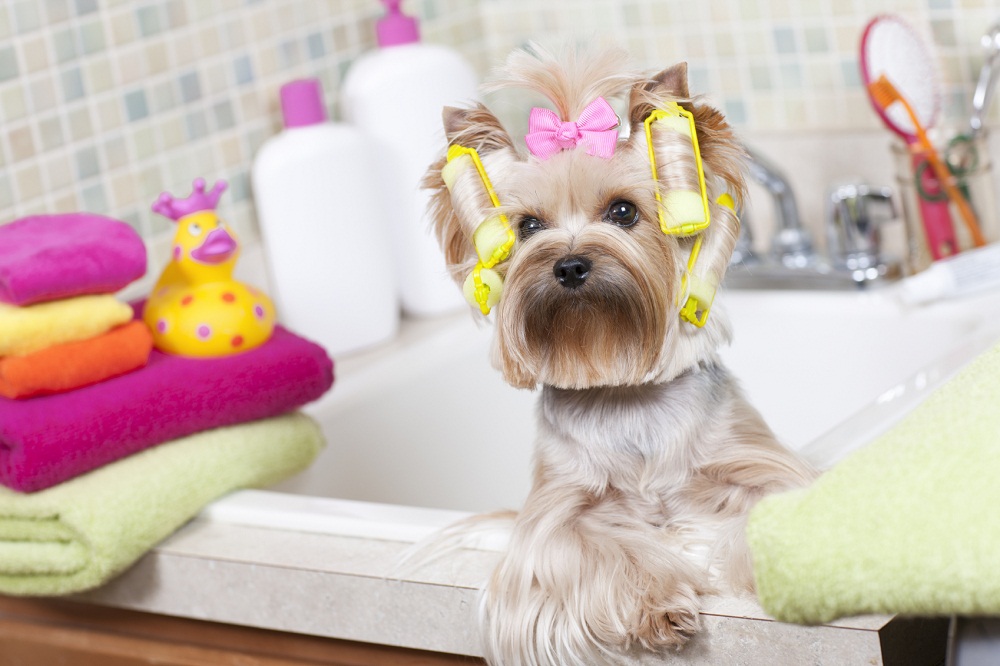 It is essential to maintain proper hygiene for your pet to ensure that serious problems don’t happen. Basic general hygiene can also help keep them happy, healthy and away from that dreaded trip to the veterinarian. Dental care, grooming, and keeping their eyes and ears clean from the start can have major health benefits as they grow older. The added bonus is a happy pet that looks great, as well as saves you on vet bills.
Here are some tips of basic proper hygiene for dogs:
Ears- It is good to clean the ears at least once a week. Check for ticks, redness, inflammation and unusual odors. If any of these symptoms exist, see your veterinarian right away. This may indicate that your pet has an ear infection. Due to the anatomy of the ear, ear infections and complications can occur easily, especially in the long, floppy-eared dog breeds. To clean the ears, use a cloth dampened with an ear cleaning solution and get rid of the dirt slowly. It is important to not stick a Q-tip deep into the ear canal, as it can puncture the ear drum easily.
Nails- It may not seem like an overly important health concern, but it can be. A lot of pets have long nails and the main complaint is that “we hear them when they walk across the floor” but it can be quite dangerous. Excessively long toenails can be easily torn, resulting in major bleeding episodes and sometimes a trip to the emergency vet. These pets are very sore and frequently lame. The long nails can also be so long, they even curve and grow into the pad leading to pain and infection. These pets usually need to be sedated to cut the nail away and clean out the wound that was created.
Eyes- Eyes must always be kept clean. Eye infections can be a big problem that you will want to avoid if possible. Irritants in the air like dust and pollen, as well as other factors like chemicals, shampoos and injuries, can cause eye infections. The most common eye infection is conjunctivitis; the cause will determine the treatment and a visit to your veterinarian. Common symptoms include frequent blinking, redness, discharge from the eye and swelling.
Different eye types need different kinds of care. Dogs with skin folds (English Bulldogs) or excessive weeping will need a daily cleaning and dogs with protruding eyes will be prone to dry eyes and may need daily moistening drops. When cleaning the eyes it is important to use a clean cloth and wipe the dirt away from the eyes. Start at the center of the eye and wipe towards the sides. Not the other way around. If you notice a yellow discharge from the eye, consult your veterinarian right away.
Teeth- Dental care is just as important for your dog as it is for you. Regular teeth cleaning will ensure their teeth are free from decay, plaque and tartar that can lead to infections and illness, as well as costly vet visits. Poor oral hygiene can cause gum disease like gingivitis and periodontal disease, where eventually gaps will form under the teeth and bacteria will grow. This can cause bone loss and tissue damage between the teeth and gums. When brushing your dog’s teeth, it is important to start as early as possible in the puppy stage to get them used to it and always a formulated toothpaste for dogs. Brushing will also keep your pet’s breath fresh, which is always good.
Grooming- Your regular grooming routine should include brushing, trimming and bathing. Grooming your dog will keep their skin shiny and healthy. This will also reduce matting which can cause skin problems. It also gets rid of bacteria and built up dirt and grime that can lead to a number of skin conditions like hypersensitivity and infections. Grooming promotes blood circulation and hair growth along with removal of loose hair. It also offers quality time between you and your dog to create a special bond.
It is important not to bathe them too often as their skin can become dry and cause them to itch. When bathing it is important to use shampoo that is formulated for pets and not to use human shampoo. It is best to use cool water and do not use a blow dryer to dry them. Warm water and the blow dryer can dry out the skin.
You don’t need to be a Powerball winner to take proper care of your pet. All of the above tips are very inexpensive to accomplish. Just remember poor hygiene can lead to discomfort and serious illness for your pet, not to mention costly vet bills for you. Just like you, pets need general hygiene to maintain good health and wellbeing. There are hundreds of different pet care products available for all species, breeds, and budgets to make sure that you can provide your pet with the best care. If you have any questions or concerns at all, don’t hesitate to contact our office.
Parvovirus 101
Parvovirus is a highly contagious virus that is of particular concern to puppy owners due to the severity of the symptoms, the weak immune system and possible death of the puppy. The virus manifests itself in two forms. The most common form is the intestinal form, which is characterized by vomiting, diarrhea, weight loss, lethargy and lack of appetite. The less common form is the cardiac form, which attacks the heart muscles of very young puppies, often leading to death.
The intestinal form of the virus is passed through oral contact both directly and indirecty with the virus. Clinical signs will show most commonly about 5 to 10 days after exposure. It can also be spread through fomites, feces, or through infected soil and once an uninfected dog comes in to oral contact with the infection, the virus can spread quickly through the lymphoid tissue in the dog’s throat. After replication the virus will then spread to the bloodstream where it attacks cells in the bone marrow, lymph nodes, and intestines. Parvovirus then destroys those fast growing cells, depleting the body of the white blood cells and the lymphocytes, along with destroying the cells in the intestines. Puppies can then become toxic and septicemic due to the poisoning of the blood system from the virus. The puppy has the inability to absorb nutrients and will become dehydrated and weak quickly from lack of protein and fluid absorption. The puppy’s abdomen may become painful on palpation and the heart may beat rapidly.
The cardiac form seen in puppies is usually fatal. It is less common and is usually spread to the puppy in utero or when the mother is pregnant with them. The virus damages the heart muscle which aren’t strong enough to withstand the virus. The death of the puppies with this form usually come on suddenly and the puppy shows little sign of distress.
Parvo is usually a disease of young puppies from four weeks to six months of age or in the older immunosuppressed dog. Time is one of the most significant factors in whether or not a treatment of parvo will be successful: thr earlier the virus is detected and the treatment begins, the better the outlook for treatment. If the virus is caught quickly enough, treatment can begin and death can be prevented. So if your pet has any of those symptoms, it is best to seek veterinary care immediately. The mortality rate is around 91% if left untreated, but with treatment mortality rates drop to 5% to 20% when treated aggressively. When presented with a possible parvo puppy, most veterinarian’s protocols will include a thorough physical examination, necessary blood work such as a complete blood count and chemistry and either an EIA or hemagglutination test on a feces sample to look for signs of parvovirus.
A puppy should always be hospitalized in order to receive treatment. Treatment usually consists of administration of IV fluids and colloids, administration of anti-nausea medications and injections of antibiotics depending upon the dog and the veterinarian administering the treatment. The administration of the fluids serve as both to rehydrate and rebalance the levels of the electrolytes to maintain healthy functions. Sometimes blood plasma transfusions may be needed to provide passive immunity to the sick individual with developed antibodies. After the initial treatment, the puppy will be weaned off additional fluids once they are able to keep fluids down. Bland foods that are easy on the gastrointestinal system is usually recommended along with oral antibiotics to help fight potential for infection due to the low white blood cell counts. Any infections following the treatment of parvovirus can lead to death because of the weakened immune system.
Because parvo can be a devastating virus, one of the most significant things any dog owner can do is prevent infection of their dog. The first step in preventing it is to properly have their puppy vaccinated based on the recommendation of their veterinarian. Most puppies derive immunity through their mother’s colostral antibodies that they receive with the first milk that they get after birth. Because of this, here at the Olsen Veterinary Clinic, we recommend starting a vaccination schedule at 6 to 8 weeks of age and then vaccinate every 3 to 4 weeks until the puppy is 16 weeks old. Our recommendation is not the number of vaccinations that it gets, but when they get them at their chronological age.
To prevent the spread of the parvovirus, it is important to decontaminate where your puppy has been. It is also important to realize that even though your puppy survived the treatment, it can still contaminate other healthy dogs with the virus through their feces. The parvovirus can survive living in the soil for as long as a year so it is crucial to decontaminate completely areas where and infected or successfully treated dog eliminates its waste. The only chemical known to kill parvo is bleach at a 15:1 ratio. The general advice is to wait about 6 months before bringing a new puppy home. It is also advised to have the puppy completely vaccinated before bringing them in to a home that has been recently exposed to the parvovirus.
The old adage of “happy neighbors are good neighbors” applies here. An important step is to notify your neighbors and friends if they have been in contact with your premises or pet. Since parvo can be spread from dog to dog in addition to being spread through feces and soil, it is important that your neighbors know. They may simply expose their pet to parvo by simply walking their puppy on your grass or even by walking across your yard and then taking it home. It is important to share the information that you have learned with your neighbors because if they see similar clinical signs and symptoms, they can act on it promptly.
Parvovirus is a very destructive and very rapidly moving disease that can kill an otherwise healthy puppy in a matter of days, but with proper precautions it can possibly be wiped out. All it takes is regular vaccinations of all dogs in addition to treatment and appropriate decontamination of infected areas. Even if a dog is successfully treated and recovers from parvo without proper decontamination of the home area, it is possible to spread the disease to other dogs in the community. It takes a combinations of responsible pet ownership, good veterinary care, and vigilant decontamination of infected areas in order to prevent and hopefully eliminate this virus.