
Posts Tagged ‘animals’
Ensuring Your Pet’s Oral Health: Celebrate Dental Health Month with Olsen Veterinary Clinic
 February is Dental Health Month, and at Olsen Veterinary Clinic, we emphasize the importance of maintaining your pet’s oral hygiene. Just like humans, pets require regular dental care to prevent serious health complications. Poor dental health can lead to painful conditions, infections, and even systemic diseases affecting the heart, liver, and kidneys.
The Importance of Pet Dental Health
Many pet owners may not realize that dental disease is one of the most common health issues in cats and dogs. Studies show that by the age of three, most pets have some form of periodontal disease, which, if left untreated, can lead to pain, tooth loss, and other severe health problems. Regular dental check-ups and proper at-home care can help prevent these issues, ensuring your pet stays happy and healthy.
Common Dental Problems in Pets
Understanding common dental issues can help you take proactive steps in your pet’s oral care. Some of the most frequently encountered dental problems include:
- Plaque and Tartar Buildup – When bacteria accumulate on your pet’s teeth, they form plaque, which can harden into tartar, leading to gum inflammation and infection.
- Gingivitis – Swollen and red gums indicate the early stages of periodontal disease, often caused by poor oral hygiene.
- Periodontal Disease – Advanced gum disease can result in tooth loss, pain, and even damage to internal organs as bacteria enter the bloodstream.
- Tooth Abscesses – Infections can form around the roots of the teeth, causing significant pain and requiring veterinary intervention.
- Bad Breath (Halitosis) – While “doggy breath” is common, persistent bad breath can be a sign of underlying dental disease.
How to Maintain Your Pet’s Oral Hygiene
Good dental care starts with prevention. Here are some essential tips to keep your pet’s teeth in top shape:
- Regular Veterinary Dental Check-Ups – Schedule annual dental exams at Olsen Veterinary Clinic to catch potential issues early.
- Brushing Your Pet’s Teeth – Use pet-specific toothpaste and toothbrushes to clean your pet’s teeth at least a few times a week.
- Dental Treats and Chews – Specially formulated treats and chews help reduce plaque and tartar buildup.
- Prescription Dental Diets – Some pet foods are designed to promote dental health by reducing plaque and tartar accumulation.
- Water Additives and Oral Rinses – These products help maintain fresh breath and minimize bacterial growth in your pet’s mouth.
Schedule a Dental Exam Today!
This Dental Health Month, make your pet’s oral care a priority. At Olsen Veterinary Clinic, we offer professional dental cleanings and comprehensive oral health assessments to ensure your furry friend’s well-being. Schedule an appointment today and give your pet the gift of a healthy smile!
For more information or to book a consultation, contact Olsen Veterinary Clinic at 618-656-5868. Let’s work together to keep your pet’s teeth healthy and strong!
Emergency Preparedness for Pet Owners: A Guide to Keeping Your Pets Safe
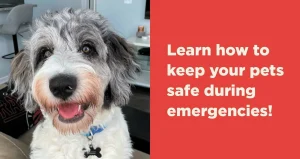 At Olsen Veterinary Clinic, we understand that your pet is not just an animal—they’re a beloved family member. Just as you prepare for emergencies in your own life, it’s crucial to have an emergency plan in place for your pets. Disasters and accidents can happen at any time, so being ready can make all the difference in ensuring your furry, feathered, or scaly friends remain safe and healthy.
Here’s a comprehensive guide to help you prepare for emergencies and provide the best possible care for your pets when they need it most.
1. Create an Emergency Plan for Your Pets
Having a solid emergency plan is the first step in ensuring your pet’s safety. This plan should address several key areas:
Identify a Safe Location
- Evacuation Routes: Make sure you have a plan for evacuating your home with your pet if necessary. Know at least two or three pet-friendly shelters or hotels in your area in case you need to leave. Keep these contacts and addresses readily available.
- Transport: Have a pet carrier or leash ready for transport. If your pet is not used to a carrier, spend time getting them comfortable in it ahead of time.
- Family Communication Plan: Ensure that all family members are familiar with the emergency plan. If you are separated, have a designated contact person who can help with pet care or transport.
Important Documents and Identification
- Microchip & ID Tags: Ensure your pet has an up-to-date ID tag and microchip with your current contact information. In the event you get separated, this is often the quickest way to reunite.
- Important Records: Have copies of your pet’s medical records, vaccination history, and medications. Keep these documents in a waterproof, easily accessible folder. This will be especially helpful if you need to evacuate or visit a new vet.
2. Assemble a Pet Emergency Kit
Just like humans need an emergency kit, your pet will benefit from having their own supplies ready to go. Here’s a checklist of items to include in your pet’s emergency kit:
- Food and Water: Pack at least 3-7 days’ worth of your pet’s food and fresh water. Don’t forget a manual can opener if your pet eats canned food.
- Medications and Medical Records: Keep an extra supply of any medications your pet needs, along with their prescription details. If your pet has specific health conditions, be sure to include any relevant care instructions.
- First Aid Supplies: Include bandages, antiseptic wipes, tweezers, and other first-aid items. If your pet has specific medical conditions, pack any necessary tools, such as a thermometer for monitoring fever.
- Pet Comfort Items: Include a favorite blanket, toy, or a familiar item to reduce your pet’s stress during an emergency.
- Leash, Collar, and Harness: Ensure you have a sturdy leash, collar with ID tag, and a harness if needed.
- Sanitation Items: Waste bags, paper towels, and pet litter for cats should be included in your kit.
It’s also a good idea to keep this kit in an easily accessible place—such as by the door—so that you can grab it quickly in an emergency.
3. Know Basic First Aid for Pets
Knowing how to perform basic first aid on your pet can save their life in an emergency situation. Some simple first aid techniques include:
CPR for Pets
- Check for Breathing and Pulse: If your pet is unresponsive, check if they are breathing and have a pulse. If not, begin CPR immediately.
- CPR Steps for Dogs and Cats:
- Place your pet on their side, ensuring their airway is clear.
- Use your hands to give chest compressions. For small dogs and cats, use one hand to compress the chest. For larger dogs, use both hands.
- Give 2 rescue breaths for every 30 chest compressions. For small pets, cover the nose and mouth; for larger pets, cover the nose and mouth together.
- Continue CPR until help arrives or your pet starts breathing again.
Managing Bleeding
- Apply gentle pressure to any bleeding wounds with a clean cloth or bandage. If the bleeding is severe or doesn’t stop after 5 minutes, seek immediate veterinary care.
Choking
- For small pets: Hold your pet upside down by the hind legs, and give a few gentle shakes to try to dislodge the object.
- For larger pets: Perform a modified Heimlich maneuver by applying pressure just behind the ribcage.
Signs of Poisoning
- If your pet ingests something toxic, time is critical. Signs of poisoning include drooling, vomiting, diarrhea, lethargy, or seizures. Keep the contact number for a local poison control hotline, like the ASPCA Animal Poison Control Center, on hand.
4. When to Seek Veterinary Help in an Emergency
It’s important to know when an emergency requires professional veterinary attention. Some situations that call for immediate veterinary care include:
- Difficulty Breathing: Rapid or labored breathing is a medical emergency.
- Severe Bleeding: If the bleeding is heavy or doesn’t stop after 5 minutes, seek help.
- Seizures: If your pet has a seizure lasting more than 2 minutes, or if they experience multiple seizures, seek veterinary care immediately.
- Trauma or Injury: Any significant injury (e.g., broken bones, falls, car accidents) requires veterinary attention.
- Vomiting or Diarrhea: If your pet has persistent vomiting or diarrhea for more than 24 hours, or if it’s accompanied by lethargy, it may be time to consult your vet.
- Unresponsiveness: If your pet collapses or is unresponsive, it’s crucial to seek veterinary care immediately.
5. Prepare for Natural Disasters
If you live in an area prone to natural disasters like floods, wildfires, or hurricanes, it’s vital to have an additional layer of preparation. This might include:
- Evacuation Plans Specific to Your Area: Know the best routes to safety, and ensure you have pet-friendly evacuation shelters available.
- Pet-Friendly Disaster Supplies: In addition to your standard emergency kit, you may need specialized items, like extra blankets, warm clothing, or a pet carrier that can be easily carried in case you need to evacuate.
6. Ongoing Monitoring and Adjustment of Plans
Emergencies can happen at any time, so it’s important to regularly review and update your emergency preparedness plan. Check expiration dates on food and medications, ensure your contact information on pet IDs is accurate, and practice drills with your family members to ensure everyone is familiar with the plan.
At Olsen Veterinary Clinic, we know that being prepared for an emergency gives you peace of mind and ensures your pet’s health and safety. Emergencies can happen without warning, but by having a plan in place, assembling the right supplies, and knowing how to respond in a crisis, you’ll be able to care for your pets no matter what comes your way.
We encourage you to visit us for any questions you have about emergency preparedness or to ensure your pet’s health needs are up to date. Stay safe, and don’t wait until an emergency arises—start preparing today!
Senior Pet Care: Ensuring a Happy and Healthy Aging Process
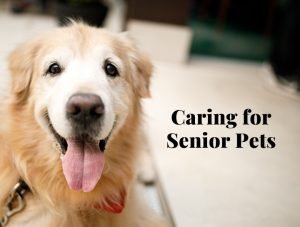 As our beloved pets age, their needs change significantly. At Olsen Veterinary Clinic, we understand that senior pets require specialized care to ensure they continue to lead happy, healthy lives. In this article, we will discuss the unique needs of senior pets, including diet, exercise, and healthcare considerations.
Understanding the Aging Process
A pet is generally considered a senior when they reach around 7 years of age, though this can vary depending on the breed. Larger breeds tend to age more quickly than smaller breeds. As pets age, they may experience a variety of physical and behavioral changes, including decreased energy, changes in mobility, weight fluctuations, and increased susceptibility to health issues.
Diet: Nutritional Needs for Senior Pets
A balanced diet is crucial for maintaining the health of senior pets. Here are some dietary considerations to keep in mind:
- High-Quality Ingredients: Look for pet food that lists high-quality proteins and is rich in essential nutrients. Senior formulas often contain modified protein levels, antioxidants, and omega fatty acids to support aging joints and overall health.
- Caloric Needs: Older pets may have lower energy requirements. Adjusting portion sizes to prevent obesity is important, as excess weight can lead to joint problems and other health issues.
- Digestive Health: Aging pets may experience changes in digestion. Foods that are easier to digest, and those containing probiotics and fiber, can help maintain gastrointestinal health.
- Hydration: Ensure that your senior pet has access to fresh water at all times. Dehydration can be a serious concern, especially in pets with kidney issues.
Exercise: Keeping Active for Physical and Mental Health
Regular exercise is vital for senior pets to maintain their physical and mental health. Here are some tips to ensure your pet stays active:
- Tailored Exercise Routines: Adjust the intensity and duration of exercise based on your pet’s ability. Shorter, more frequent walks are often better than longer sessions. Swimming can be an excellent low-impact option for many dogs.
- Mental Stimulation: Engage your pet’s mind with puzzle toys, training sessions, or new experiences. This is especially important as cognitive function can decline with age.
- Watch for Signs of Discomfort: Be mindful of how your pet reacts to exercise. If they seem fatigued or show signs of pain, it may be time to modify their routine.
Health Care Considerations: Regular Check-ups and Preventative Care
Regular veterinary check-ups become even more critical as pets age. Here are key healthcare considerations:
- Routine Veterinary Visits: Schedule veterinary check-ups at least twice a year. These visits can help catch potential health issues early, including dental disease, arthritis, and organ dysfunction.
- Vaccinations and Preventative Medications: Stay up-to-date on vaccinations and parasite prevention. Senior pets may be more vulnerable to diseases, and preventative care is essential.
- Blood Work and Screenings: Regular blood tests can provide insight into your pet’s internal health. Early detection of conditions like kidney disease or diabetes can lead to more effective management.
- Dental Care: Dental health is often overlooked but is crucial for senior pets. Regular dental cleanings and at-home dental care can prevent painful dental diseases and associated health issues.
- Pain Management: Many senior pets experience chronic pain due to arthritis or other conditions. Consult with your veterinarian about pain management options, including medications, supplements, and alternative therapies like acupuncture.
Caring for a senior pet can be incredibly rewarding. By paying attention to their unique dietary, exercise, and healthcare needs, you can help ensure they remain happy and healthy throughout their golden years. At Olsen Veterinary Clinic, we’re here to support you and your senior pet with personalized care plans and compassionate guidance. If you have any questions or concerns about your pet’s health, please don’t hesitate to reach out to our team. Together, we can make the aging process a joyful experience for you and your furry companion.
Understanding and Addressing Common Pet Behavioral Issues
 At Olsen Veterinary Clinic, we understand that pets, much like humans, can exhibit a range of behavioral issues. These behaviors can stem from anxiety, fear, lack of proper training, or even medical conditions. While some behavioral quirks are simply part of a pet’s unique personality, others can cause stress for both the pet and their owner. Fortunately, most of these behaviors can be managed or corrected with proper guidance and training.
How to Identify Signs of Pain in Pets: A Guide by Olsen Veterinary Clinic
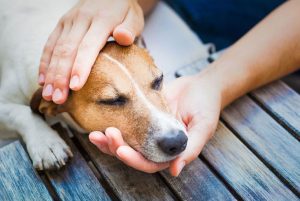 As pet owners, we deeply care about the well-being of our furry companions. However, unlike humans, pets can’t express their pain in words, making it challenging for us to recognize when something is wrong. Identifying signs of pain in pets is crucial to ensuring they receive prompt medical attention and live a happy, healthy life. At Olsen Veterinary Clinic, we encourage pet owners to be vigilant and aware of subtle signs of pain or discomfort in their pets.
Common Signs of Pain in Pets
- Changes in Behavior: One of the first indicators of pain in pets is a noticeable change in their behavior. You may observe that a typically active dog becomes lethargic, or a usually independent cat becomes clingy or irritable. Pets may also become withdrawn, hide more frequently, or avoid interaction with their favorite humans or other animals in the house.
- Vocalization: Though pets can’t talk, they may communicate discomfort through vocalizations. If your pet starts whining, yelping, growling, or meowing more than usual, especially when touched or moved, it may indicate pain. Some pets might also begin purring excessively (in the case of cats), which can be a self-soothing mechanism rather than a sign of contentment.
- Changes in Posture and Movement: Limping, stiffness, difficulty getting up or lying down, or reluctance to jump or climb stairs are telltale signs of physical discomfort. Pets in pain may also adopt unusual postures, such as hunching their back or tucking in their abdomen. If your dog or cat seems to favor a particular side or avoids using a limb, this could indicate an injury or joint pain.
- Decreased Appetite: A decrease in appetite is another common sign that your pet may be experiencing pain. If your pet suddenly becomes uninterested in food or water, it could be due to discomfort, dental pain, or an underlying health issue. Pay attention to any changes in eating or drinking habits and consult your veterinarian if the behavior persists.
- Excessive Grooming or Licking: Pets in pain often focus on the area of discomfort by excessively licking, biting, or grooming. Dogs might chew at their paws or limbs, while cats might over-groom one specific area. In some cases, this behavior can lead to hair loss, skin irritation, or infection.
- Changes in Breathing: Pain can cause changes in your pet’s breathing patterns. Rapid, shallow breathing or panting excessively when not overheated may be an indication of distress. Some pets may also develop an irregular heart rate or appear restless when trying to sleep.
- Unexplained Aggression or Fear: Even the most gentle and loving pets can exhibit aggression when they are in pain. If your pet suddenly starts growling, snapping, or hissing, especially when touched, this could be a defensive response to pain. Additionally, a pet that becomes unusually fearful or anxious in situations where they would typically be comfortable might be signaling they are in distress.
- Digestive Issues: Vomiting, diarrhea, or constipation can be indirect signs of pain, especially if accompanied by other behavioral changes. Gastrointestinal discomfort may also lead to restlessness or a reluctance to lie down, as certain positions may aggravate the pain.
When to Seek Veterinary Attention
If you notice any of these signs, it’s essential to contact a veterinarian as soon as possible. Pain is often a symptom of an underlying condition that requires medical attention. Whether it’s due to injury, arthritis, dental disease, or an internal issue, early diagnosis and treatment can prevent further complications and improve your pet’s quality of life.
At Olsen Veterinary Clinic, we understand how important it is to keep your pets healthy and comfortable. Our team is committed to providing compassionate care and expert guidance to help you navigate any health concerns your pet may experience. If you suspect your pet is in pain, don’t hesitate to bring them in for an examination. Together, we can ensure your furry family member stays happy, healthy, and pain-free.
Being attuned to your pet’s behavior and recognizing the signs of pain early on can make a significant difference in their well-being. By taking a proactive approach and seeking veterinary care when necessary, you can help your pet enjoy a longer, healthier life. If you have concerns about your pet’s health or believe they may be experiencing pain, Olsen Veterinary Clinic is here to assist you every step of the way.
Tips for Traveling with Pets: A Guide from Olsen Veterinary Clinic
 Traveling with pets can be a rewarding experience, but it requires careful planning and preparation to ensure a safe and comfortable journey for both you and your furry companion. Whether you’re taking a road trip, flying, or using public transportation, here are some essential tips to make your travel smooth and enjoyable.
Preparation Before the Trip
- Visit the Veterinarian:
- Schedule a check-up to ensure your pet is healthy and up-to-date on vaccinations.
- Obtain a health certificate if required by your destination.
- Discuss any travel concerns and ask for recommendations on calming aids if your pet is prone to anxiety.
- Microchip and Identification:
- Make sure your pet is microchipped and the information is current.
- Attach an ID tag with your contact information to your pet’s collar.
- Pet-Friendly Accommodations:
- Research and book pet-friendly hotels or lodgings in advance.
- Confirm pet policies, including any restrictions or additional fees.
- Pack Essentials:
- Bring enough food and water for the duration of the trip, plus extra in case of delays.
- Include bowls, a leash, a waste disposal bag, grooming supplies, a first-aid kit, and any medications your pet needs.
- Pack a favorite toy or blanket to provide comfort and a sense of familiarity.
Safety Measures During Travel
- Secure Your Pet:
- Use a pet carrier, travel crate, or a pet seatbelt to keep your pet safe in the car.
- Ensure the carrier is well-ventilated and spacious enough for your pet to stand, turn around, and lie down comfortably.
- Never Leave Pets Unattended:
- Never leave your pet alone in a parked car, as temperatures can quickly become dangerous.
- If you need to stop, take your pet with you or ensure someone stays with them.
- Regular Breaks:
- Plan for regular breaks (every 2-3 hours) to allow your pet to stretch, relieve themselves, and hydrate.
- Use a leash and harness during stops to prevent your pet from running off in unfamiliar surroundings.
Stress-Reducing Strategies
- Comfortable Environment:
- Keep the carrier or crate cozy with your pet’s favorite blanket or bedding.
- Maintain a calm and quiet environment by minimizing loud noises and sudden movements.
- Familiarization:
- Gradually acclimate your pet to their carrier and the car before the trip.
- Take short practice trips to help your pet get used to the sensation of traveling.
- Calming Aids:
- Consider using natural calming aids like pheromone sprays or anxiety wraps.
- Consult with your veterinarian about the use of calming medications if your pet has severe travel anxiety.
- Stay Calm:
- Your pet can sense your emotions, so remain calm and relaxed to help reduce their stress.
- Speak to your pet in a soothing tone and provide reassurance throughout the journey.
Tips for Specific Modes of Travel
- Car Travel:
- Keep windows closed to prevent your pet from sticking their head out, which can be dangerous.
- Use sunshades to block direct sunlight and keep the car cool.
- Air Travel:
- Choose a pet-friendly airline and review their pet travel policies.
- Book a direct flight to minimize stress and reduce the risk of layovers or missed connections.
- Label your pet’s carrier with your contact information and a “Live Animal” sticker.
- Public Transportation:
- Check the specific regulations of the transportation service regarding pets.
- Ensure your pet is comfortable in their carrier and follow any rules regarding pet containment.
By following these tips from Olsen Veterinary Clinic, you can help ensure a safe, comfortable, and stress-free travel experience for you and your pet. Remember, preparation and patience are key to a successful journey with your furry friend. If you ever have any questions about your pet, contact us today. Happy travels!
Dr. Olsen’s Pet Spotlight: The Leonberger Dog Breed
 At Olsen Veterinary Clinic, we celebrate all breeds, and today, we’re delighted to spotlight the Leonberger—a breed renowned for its gentle temperament, impressive size, and striking appearance. Whether you are a seasoned dog owner or considering adding a Leonberger to your family, understanding this breed’s unique characteristics is essential.
Origin and History
The Leonberger hails from Leonberg, Germany, where Heinrich Essig, a dog breeder, sought to create a breed that embodied the grandeur and loyalty of a lion. By crossbreeding Saint Bernards, Newfoundlands, and Great Pyrenees, Essig succeeded in developing the Leonberger, which soon became a favorite among European royalty. The breed was officially recognized in the late 19th century and has since garnered a loyal following worldwide.
Physical Characteristics
Leonbergers are a sight to behold. Males typically weigh between 110 to 170 pounds, while females range from 90 to 140 pounds. They stand 26 to 32 inches tall at the shoulder, exuding an aura of strength and nobility. Their dense, water-resistant double coat comes in shades of lion-yellow, golden to red-brown, often with a black mask. Regular grooming is essential to maintain their majestic coat and reduce shedding.
Temperament and Behavior
Despite their imposing size, Leonbergers are known for their gentle and friendly nature. They are affectionate, loyal, and thrive on human companionship, making them excellent family pets. Their intelligence and eagerness to please make them highly trainable, although early socialization and obedience training are crucial. Leonbergers are known for their calm demeanor, but they also possess a playful side and enjoy various activities, from hiking to swimming.
Health and Lifespan
Leonbergers are generally healthy, with a lifespan of 8 to 10 years. However, like all breeds, they are prone to specific health issues, including hip dysplasia, elbow dysplasia, and certain types of cancer. Regular veterinary check-ups, a balanced diet, and appropriate exercise are vital to ensuring their well-being. At Olsen Veterinary Clinic, we emphasize preventative care and offer tailored health plans to keep your Leonberger in optimal condition.
Exercise and Activity
Given their size, Leonbergers require regular exercise to maintain their physical and mental health. Daily walks, play sessions, and opportunities to run in a secure area are beneficial. They excel in activities like agility, obedience, and even water rescue, thanks to their strong swimming abilities. Engaging your Leonberger in diverse activities will keep them happy and prevent boredom-related behaviors.
Grooming Needs
Leonbergers have a thick, double coat that requires consistent grooming. Weekly brushing helps prevent mats and tangles, and more frequent grooming may be necessary during shedding seasons. Bathing should be done as needed, and regular checks of their ears, teeth, and nails are essential parts of their grooming routine. At Olsen Veterinary Clinic, we offer comprehensive grooming services to help keep your Leonberger looking and feeling their best.
Leonbergers and Families
Leonbergers are known for their exceptional compatibility with families. They are patient and gentle with children, often forming strong bonds with them. Their protective yet non-aggressive nature makes them excellent watchdogs without being overly territorial. However, due to their size, supervision around small children is recommended to prevent accidental knock-overs.
The Leonberger is a remarkable breed that combines beauty, strength, and a loving temperament. They make wonderful companions for those who can accommodate their size and grooming needs. At Olsen Veterinary Clinic, we are passionate about providing the best care for your Leonberger, ensuring they lead a healthy, happy life. Whether you’re a current Leonberger owner or considering bringing one into your home, our team is here to support you with expert advice and services.
For more information or to schedule a consultation, please contact Olsen Veterinary Clinic. We look forward to helping you and your Leonberger thrive together.
Understanding Pet Vaccinations: Ensuring Your Pet’s Health
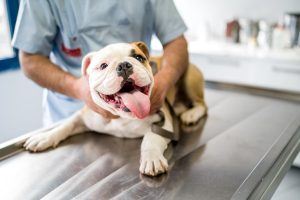 As pet owners, we all want our furry companions to live long, healthy, and happy lives. One of the most crucial aspects of maintaining your pet’s health is ensuring they receive the appropriate vaccinations. At Olsen Veterinary Clinic, we believe in educating pet owners about the importance of vaccinations, the recommended vaccination schedule, and how these preventive measures contribute to your pet’s overall well-being.
Why Are Pet Vaccinations Important?
Vaccinations are vital for protecting pets from various infectious diseases, some of which can be life-threatening. These vaccines work by stimulating the immune system to recognize and fight specific pathogens, such as viruses and bacteria, if your pet is exposed to them in the future. Here are some key reasons why vaccinations are essential:
1. Disease Prevention
Vaccines help prevent numerous diseases that can affect pets. For example, canine parvovirus, distemper, and rabies in dogs, and feline leukemia virus and panleukopenia in cats, are all preventable through vaccination.
2. Public Health
Some diseases that affect pets, like rabies, can be transmitted to humans. By vaccinating your pet, you are also protecting yourself, your family, and your community from potential zoonotic diseases.
3. Legal Requirements
In many areas, certain vaccinations, such as rabies, are required by law. Ensuring your pet is up-to-date with their vaccines helps you stay compliant with local regulations.
4. Cost-Effective Health Care
Preventing diseases through vaccination is often far less expensive than treating the diseases once they occur. Regular vaccinations can save you from costly treatments and emergency vet visits.
Recommended Vaccination Schedule
At Olsen Veterinary Clinic, we follow a vaccination schedule that aligns with the guidelines set by veterinary health authorities. Here is a general outline of the recommended vaccination schedule for dogs and cats:
For Puppies and Dogs:
- 6-8 weeks:
- Distemper
- Parvovirus
- Adenovirus (Hepatitis)
- Parainfluenza
- 10-12 weeks:
- Booster for Distemper, Parvovirus, Adenovirus, and Parainfluenza
- Bordetella (Kennel Cough)
- 14-16 weeks:
- Booster for Distemper, Parvovirus, Adenovirus, and Parainfluenza
- Rabies
- 1 year and annually thereafter:
- Annual boosters for Distemper, Parvovirus, Adenovirus, Parainfluenza, and Rabies
- Optional: Lyme disease, Leptospirosis, and Influenza based on your dog’s risk factors
For Kittens and Cats:
- 6-8 weeks:
- Feline Viral Rhinotracheitis (FVR)
- Calicivirus (FCV)
- Panleukopenia (FPV)
- 10-12 weeks:
- Booster for FVR, FCV, and FPV
- Feline Leukemia Virus (FeLV)
- 14-16 weeks:
- Booster for FVR, FCV, FPV, and FeLV
- Rabies
- 1 year and annually thereafter:
- Annual boosters for FVR, FCV, FPV, FeLV, and Rabies
How Vaccinations Contribute to Your Pet’s Well-Being
Regular vaccinations play a crucial role in maintaining your pet’s overall health and well-being. Here’s how:
1. Boosts Immunity
Vaccines strengthen your pet’s immune system, making them more capable of fighting off infections and reducing the severity of illnesses if they do occur.
2. Reduces Disease Spread
By vaccinating your pets, you are helping to control the spread of contagious diseases within the pet population. This is particularly important in communal settings like parks, boarding facilities, and grooming salons.
3. Improves Quality of Life
Healthy pets are happy pets. Vaccinations protect against debilitating diseases that can significantly reduce your pet’s quality of life, ensuring they stay active and vibrant.
4. Longevity
Preventive care, including regular vaccinations, has been proven to extend the lifespan of pets. By safeguarding them against diseases, you are giving your pet the best chance at a long, healthy life.
At Olsen Veterinary Clinic, we are committed to providing the highest standard of care for your pets. Vaccinations are a cornerstone of preventive health care, and we encourage all pet owners to adhere to the recommended vaccination schedules. By doing so, you are not only protecting your pet but also contributing to the overall health of the animal community.
If you have any questions about your pet’s vaccination needs or would like to schedule an appointment, please contact us at Olsen Veterinary Clinic. Together, we can ensure your pet’s health and happiness for years to come.
The Importance of Regular Veterinary Check-ups
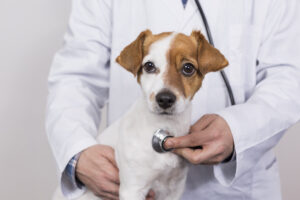 Regular veterinary check-ups are crucial for maintaining the overall health and well-being of your pets. These routine visits play a key role in preventative care and early detection of health issues. Here are some reasons why regular veterinary check-ups are important.
Preventative Care:
Regular check-ups allow veterinarians to administer vaccinations, parasite control, and dental care. Preventative measure can help protect your pet from various illnesses, ensuring they lead a healthier longer life.
Early Detection of Health Issues:
Pets, like humans, can develop health issues that may not be immediately apparent. Regular check-ups enable veterinarians to detect potential health problems early, often before symptoms become severe. Early detection can significantly improve the prognosis and treatment outcomes.
Disease Screening:
Veterinary check-ups may include screenings and tests for common pet diseases. These screenings can help identify conditions such as diabetes, kidney disease, and certain types of cancer in their early stages, allowing for timely intervention.
Dental Health:
Dental issues are common in pets, and they can lead to various health problems if left untreated. Regular veterinary visits often include dental examinations and cleanings, promoting good oral health and preventing dental diseases.
Nutritional Guidance:
Veterinarians can provide guidance on proper nutrition based on your pet’s age, breed, and health condition. A well-balanced diet is essential for maintaining your pet’s overall health and preventing nutrition-related issues.
Behavioral Assessment:
Veterinarians can assess your pet’s behavior during routine visits. Changes in behavior may be indicative of underlying health issues and addressing them early can prevent further complications.
Weight Management:
Maintaining a healthy weight is crucial for your pet’s well-being. Regular check-ups allow veterinarians to monitor your pet’s weight and provide guidance on nutrition and exercise to prevent obesity-related health issues.
Senior Pet Care:
As pets age, their healthcare needs may change. Regular check-ups become even more critical for senior pets to monitor and address age-related conditions, such as arthritis, dental problems, and organ dysfunction.
Client Education:
Veterinary visits are an opportunity for pet owners to learn about their pet’s specific needs, behaviors, and potential health risks. Education from veterinarians empowers pet owners to provide the best care possible.
In summary, regular veterinary check-ups are essential for preventative care, early detection of health issues, and ensuring that your pets lead healthy and happy lives. Establishing a consistent schedule of veterinary visits can contribute significantly to the overall well-being of your beloved companions. Contact our office today to schedule yours or if you have any questions.
12 Tips for Safe Pet Costumes This Halloween
 Dressing up your pet in a Halloween costume can be a fun and adorable way to celebrate the holiday, but it is important to prioritze their safety and comfort. Here are some tips for ensuring your pet’s Halloween costume is safe:
- Choose a comfortable costume: Make sure the costume fits your pet properly and doesn’t restrict their movement or breathing. Avoid costumes with tight elastic bands or constrictive straps that could cause discomfort.
- Consider your pet’s personality: Some pets may be more tolerant of wearing costumes than others. If your pet seems stressed or uncomfortable in a costume, it’s best to skip it and find other ways to include them in the festivities.
- Opt for pet-friendly materials: Look for costumes made from soft breathable materials that won’t irritate your pet’s skin or cause allergies. Avoid costumes with small parts that your pet could chew on or swallow.
- Ensure good visibility: Make sure your pet can see clearly while wearing the costume. Avoid costumes that cover their eyes or obstruct their vision, as this can be dangerous.
- Check for choking hazards: Remove any small or dangling parts that your pet could chew on or swallow. Those could pose a choking hazard.
- Avoid costumes with hoods or masks: Hoods or masks can restrict your pet’s breathing and make it difficult for them to see or hear. Opt for costumes that leave their face uncovered.
- Practice wearing the costume: If your pet is not used to wearing clothes, practice with the costume in advance to Halloween. This can help them get accustomed to it and reduce stress.
- Monitor your pet: Keep a close eye on your pet while they are wearing the costume especially if they are wearing it for the first time. Watch for signs of discomfort.
- Don’t force it: If your pet clearly doesn’t want to wear the costume or seems distressed, respect their feelings and remove it immediatlely. It’s not worth causing stress or discomfort to your furry friend.
- Plan comfort breaks: If your pet will be wearing the costume for an extended period, make sure they have regular breaks to stretch, eat, drink and use the bathroom.
- Be mindful of the environment: Keep your pet’s safety in mind when you take them out in public wearing a costume. Avoid busy streets or crowded areas where your pet might get scared or owerwhelmed.
- Capture the moment: Once your pet is comfortably dressed up, take some adorable photos to cherish the memory. Share them with friends and family to spread the Halloween spirit! Remember that not all pets will enjoy wearing costumes, so always prioritize their well-being and comfort. If your pet appears distressed or unhappy in a costume, it’s best to remove it and find other ways to include them in your Halloween festivities.
We at Olsen Veterinary Clinic are always here if you have any questions about your pet, so feel free to contact us at any time. We wish you and your pet a safe and Happy Halloween!