
Emergency Vet Visits: What Constitutes a True Pet Emergency?
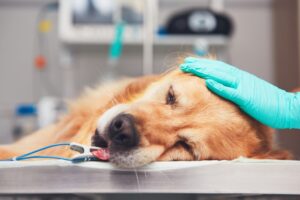 It’s a situation no pet owner wants to face. Your dog suddenly starts acting strangely, your cat refuses to eat, or you notice something that just doesn’t seem right. Naturally, your first thought is, “Do I need to get them to the veterinarian right away, or can this wait?”
It’s a question we hear often, and it’s an important one.
Our pets can’t tell us exactly what’s wrong, and sometimes the symptoms of a serious medical problem aren’t as obvious as we might expect. Knowing when to seek immediate veterinary care can make a tremendous difference in the outcome.
As we head into the busy holiday season, I thought this would be a good time to talk about what constitutes a true pet emergency and what you should do when something unexpected happens.
Some Symptoms Should Never Wait
While not every illness or injury requires an emergency visit, there are certain warning signs that should always be taken seriously.
If your pet experiences any of the following, seek veterinary attention immediately:
- Difficulty breathing: Labored breathing, gasping, or blue or unusually pale gums can indicate a life-threatening problem.
- Seizures or collapse: A pet who loses consciousness, experiences a seizure, or suddenly cannot stand needs prompt medical attention.
- Severe bleeding or trauma: Injuries from being hit by a vehicle, serious falls, or deep wounds may cause internal damage that isn’t immediately visible.
- A swollen abdomen with repeated attempts to vomit: This can be a sign of bloat, a potentially fatal condition that requires immediate treatment.
- Inability to urinate: Particularly in male cats, a urinary blockage can quickly become life-threatening.
- Suspected poisoning: If your pet eats something toxic, don’t wait for symptoms to develop before calling for help.
The important thing to remember is that pets don’t always show us how much pain they’re experiencing. Some animals are very good at hiding discomfort, which makes paying attention to changes in behavior especially important.
What About Vomiting, Diarrhea, or Not Eating?
These are some of the most common concerns pet owners call us about, and the answer isn’t always straightforward.
A healthy adult dog who vomits once but is otherwise acting normally may not need emergency treatment. However, repeated vomiting, bloody diarrhea, significant weakness, or an inability to keep water down can indicate something much more serious.
The same goes for a pet who isn’t eating. Missing one meal may not necessarily be an emergency for an otherwise healthy adult dog, but a cat who stops eating or a puppy who becomes weak and lethargic deserves prompt attention.
Age, medical history, and the severity of symptoms all matter.
If you’re unsure, call your veterinarian rather than guessing.
Holiday Emergencies Are More Common Than You Think
With Thanksgiving approaching, many households will soon be filled with family, food, and plenty of opportunities for curious pets to get into trouble.
Chocolate, grapes, raisins, onions, certain sugar-free products containing xylitol, and some holiday foods can be dangerous for pets.
Turkey bones and other cooked bones can also cause choking, injury, or intestinal blockages.
And let’s face it, when a dog sees an unattended plate of food, they’re probably not thinking about the consequences!
One of the best ways to avoid an emergency during the holidays is to remind family members and guests not to share table scraps with pets.
Keep medications, food, and garbage securely out of reach, and make sure everyone understands that what’s safe for people isn’t necessarily safe for animals.
Should You Try Treating Your Pet at Home?
One mistake I encourage owners to avoid is attempting home remedies without veterinary guidance.
If your pet swallows something potentially poisonous, for example, don’t try to make them vomit unless a veterinarian or animal poison control professional specifically instructs you to do so.
Some substances can cause additional damage when vomited, and certain home treatments may make the situation worse.
If possible, have information ready about what your pet may have eaten, how much, and when the exposure occurred. This can help your veterinarian determine the safest next steps.
Have an Emergency Plan Before You Need One
Nobody wants to think about their pet having a medical emergency, but being prepared can save valuable time.
Know where the nearest emergency veterinary hospital is located, particularly if your regular veterinarian is closed. Keep important phone numbers readily available, and make sure you have a safe way to transport your pet if they’re injured or unable to walk.
It’s also helpful to keep a basic pet first-aid kit at home, along with a list of any medications your pet takes.
A little preparation now can make a stressful situation much easier to manage later.
Trust Your Instincts
After years of caring for animals, one thing I’ve learned is that pet owners often recognize when something isn’t right, even if they can’t explain exactly what’s wrong.
You know your pet’s normal behavior, appetite, energy level, and personality better than anyone.
If something seems unusual, don’t ignore it.
At Olsen Veterinary Clinic, we want you to feel comfortable asking questions about your pet’s health. Sometimes a phone call can help determine whether an appointment is needed or whether your pet requires immediate emergency care.
Our goal is always to help you make informed decisions and keep your pets healthy, comfortable, and safe.
As we enter the holiday season, I hope you and your four-legged family members enjoy a wonderful Thanksgiving. And remember, when it comes to your pet’s health, it’s always better to ask a question than to wish you had. Contact us today if you have any questions.