
Posts Tagged ‘vet in Edwardsville’
Parasites You Don’t See: Understanding Intestinal Worms in Pets
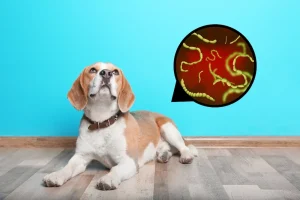 At Olsen Veterinary Clinic, we often talk with pet owners about the things they can see—like itchy skin, ear infections, or limping. But some of the most important health threats are the ones you don’t see at all. Intestinal parasites, commonly referred to as worms, are a perfect example.
These hidden invaders can live inside your pet without obvious signs, quietly affecting their health—and in some cases, yours too.
What Are Intestinal Parasites?
Intestinal parasites are organisms that live in your pet’s digestive tract, feeding off nutrients meant for your dog or cat. The most common types include:
- Roundworms
- Hookworms
- Whipworms
- Tapeworms
Each type behaves a little differently, but all can compromise your pet’s health if left untreated.
How Do Pets Get Worms?
Many pet owners are surprised to learn just how easy it is for animals to pick up intestinal parasites. Infection can happen in several ways:
1. Contaminated Soil or Feces
Pets can ingest microscopic parasite eggs from contaminated ground while sniffing, licking, or grooming their paws.
2. Hunting and Scavenging
Rodents, birds, and even fleas can carry parasite larvae. Pets that hunt or ingest these carriers are at higher risk.
3. Mother-to-Young Transmission
Puppies and kittens can acquire worms from their mother during pregnancy or nursing.
4. Flea Infestations
Certain tapeworms are transmitted when pets swallow infected fleas during grooming.
Even indoor pets are not completely safe—parasite eggs can be tracked inside on shoes or other animals.
Signs You Might Not Notice
Some pets show clear symptoms, while others appear completely normal. When signs do occur, they may include:
- Weight loss despite a good appetite
- Diarrhea or soft stool
- Vomiting
- Dull coat
- Scooting or licking around the rear
However, many infected pets show no visible symptoms at all, which is why routine screening is so important.
Why Fecal Testing Matters
Because these parasites are often invisible, fecal testing is the most reliable way to detect them.
At Olsen Veterinary Clinic, we recommend regular fecal exams—even for healthy pets. These tests allow us to:
- Detect parasite eggs under a microscope
- Identify the specific type of worm
- Prescribe targeted treatment
Routine testing is especially important for puppies, kittens, and pets that spend time outdoors or around other animals.
Risks to Humans
Some intestinal parasites are zoonotic, meaning they can be transmitted from pets to people.
Humans—especially children—can be exposed through accidental ingestion of contaminated soil or contact with infected feces. Certain parasites can cause:
- Skin irritation or rashes
- Gastrointestinal illness
- More serious complications in rare cases
Good hygiene and regular veterinary care significantly reduce these risks.
Prevention: Protecting Your Pet and Your Family
The good news is that intestinal parasites are both treatable and preventable. Here’s how you can reduce the risk:
Routine Veterinary Visits
Regular checkups and fecal testing are your first line of defense.
Year-Round Preventatives
Many parasite prevention medications protect against multiple types of worms.
Prompt Waste Cleanup
Removing feces from your yard or litter box helps prevent reinfection and environmental contamination.
Flea Control
Keeping fleas under control reduces the risk of tapeworm transmission.
Handwashing and Hygiene
Always wash hands after handling pets, especially before eating.
The Takeaway
Intestinal parasites are common, often invisible, and easily overlooked—but they don’t have to be a problem. With routine testing, preventative care, and a little awareness, you can protect both your pet’s health and your family’s well-being.
If you have questions about parasite prevention or would like to schedule a fecal exam, Olsen Veterinary Clinic is here to help. Early detection makes all the difference—even when you can’t see the problem.
Why Microchipping Your Pet Is One of the Most Important Things You Can Do
 At Olsen Veterinary Clinic, we believe every pet deserves the best chance of coming home if they’re ever lost, injured, or separated from their family. Microchipping isn’t just a “backup plan” — it’s a lifeline that dramatically increases the odds your best friend will find their way back to you.
Love Your Pet’s Skin & Coat: What Flakes, Itching, and Dull Fur Are Really Telling You
 At Olsen Veterinary Clinic, we often say that your pet’s skin and coat are a window into their overall health. A soft, shiny coat and comfortable skin aren’t just cosmetic—they’re signs that things are working well on the inside. When flakes, itching, redness, or dull fur show up, your pet may be trying to tell you something important.
Let’s break down what common skin and coat changes really mean, what role allergies and nutrition play, and when these issues may signal something deeper.
Why skin health matters more than you think
Your pet’s skin is their largest organ and their first line of defense against the outside world. Healthy skin helps regulate body temperature, protect against infection, and keep allergens and parasites at bay.
When skin health is compromised, it often affects more than just comfort. Chronic skin issues can lead to:
- Persistent itching and pain
- Secondary infections
- Hair loss or thickened skin
- Changes in behavior, appetite, or energy
That’s why skin and coat problems are one of the most common reasons pets visit our clinic—and one of the most important to address early.
Flakes, itching, and dull fur: what they’re really saying
Flaky skin (dandruff)
Occasional dryness can happen, especially in winter or after bathing. But ongoing flakes may point to:
- Poor nutrition or fatty acid deficiencies
- Environmental dryness
- Underlying allergies
- Hormonal imbalances or metabolic disease
Constant itching or licking
If your pet can’t stop scratching, chewing paws, or rubbing their face, itching is more than a nuisance—it’s a red flag. Common causes include:
- Environmental allergies (pollen, dust mites, mold)
- Food sensitivities
- Fleas (even one bite can trigger intense reactions)
- Skin infections caused by bacteria or yeast
Dull, brittle, or thinning fur
A coat that has lost its shine or sheds excessively may be linked to:
- Poor-quality diet or improper nutrient absorption
- Chronic inflammation
- Hormonal conditions like hypothyroidism
- Long-standing skin disease
Your pet’s coat often changes gradually, so these signs can be easy to miss—until they’re impossible to ignore.
Allergies: a common but complex culprit
Unlike humans, pets often show allergies through their skin rather than sneezing or watery eyes. Allergies can be seasonal, year-round, or triggered by food ingredients.
Common allergy signs include:
- Itchy ears or recurring ear infections
- Red, inflamed skin
- Paw chewing or face rubbing
- Hot spots or recurring rashes
Allergies are rarely “one-size-fits-all.” Successful management often involves identifying triggers, reducing exposure, supporting the skin barrier, and sometimes using medication or therapeutic diets.
Nutrition: feeding the skin from the inside out
What your pet eats has a direct impact on their skin and coat. Even pets eating enough calories may still lack key nutrients for skin health.
Skin-supporting nutrients include:
- Omega-3 and Omega-6 fatty acids for inflammation control and shine
- High-quality protein for hair growth and repair
- Vitamins and minerals like zinc and vitamin E
Not all pet foods are created equal, and some pets need specialized diets to manage allergies or sensitivities. Supplements can help—but only when chosen carefully and used appropriately.
When skin issues signal something deeper
Sometimes skin and coat changes are the first visible sign of an internal medical condition. These may include:
- Thyroid disease
- Cushing’s disease
- Immune-mediated conditions
- Chronic infections
If skin problems are persistent, worsening, or accompanied by changes in thirst, appetite, weight, or behavior, it’s time to look beyond surface treatments.
When to see your veterinarian
You should schedule a veterinary visit if your pet:
- Scratches or licks constantly
- Has recurring ear or skin infections
- Develops bald patches, sores, or thickened skin
- Has skin issues that don’t improve with basic care
Early diagnosis leads to more effective treatment—and a much happier pet.
Our approach at Olsen Veterinary Clinic
At Olsen Veterinary Clinic, we take skin and coat concerns seriously. Our goal isn’t just to stop the itching, but to understand why it’s happening. We tailor treatment plans to your pet’s individual needs, which may include diagnostic testing, dietary changes, parasite prevention, allergy management, and long-term skin support.
Healthy skin means better comfort, better health, and a better quality of life for your pet.
If you’ve noticed changes in your pet’s skin or coat, we’re here to help—because loving your pet means listening to what their body is telling you. Contact us today with questions and concerns.
Is Your Pet Aging Faster Than You Think?
 Subtle Signs of Aging in Pets — and How Proactive Care Can Help
When we think about aging, we often imagine gray muzzles, stiff joints, and slowing down — but for many pets, the aging process starts much earlier and more subtly than we realize. Dogs and cats are considered “seniors” much sooner than most pet parents expect, especially larger breed dogs and pets with chronic health conditions.
At Olsen Veterinary Clinic, we believe that recognizing early signs of aging allows us to be proactive — helping pets stay comfortable, active, and healthy for as long as possible.
Here’s what to watch for and when it may be time to adjust your pet’s care plan.
Subtle Signs Your Pet May Be Entering Their Senior Years
Aging doesn’t happen overnight, and the earliest changes are often easy to overlook or mistake for “normal behavior.”
1. Slight Changes in Activity Level
Your pet may still play, but:
- Tires more easily
- Sleeps longer than before
- Hesitates before jumping onto furniture or into the car
These small shifts can be early signs of joint discomfort, muscle loss, or reduced stamina.
2. Mild Weight Gain or Loss
Metabolism changes with age. You might notice:
- Gradual weight gain despite the same diet
- Loss of muscle tone
- Slight weight loss due to decreased appetite or dental discomfort
Even small weight changes can impact joint health, heart health, and overall wellness.
3. Subtle Behavior or Personality Changes
Senior pets may become:
- More clingy or anxious
- Slightly irritable or less tolerant
- More withdrawn or less interactive
These changes can be related to pain, vision or hearing changes, or early cognitive changes.
4. Changes in Grooming or Coat Condition
Look for:
- Duller or thinner coat
- More shedding than usual
- Decreased self-grooming in cats
These can indicate nutritional needs changing or underlying health concerns.
5. Increased Thirst or Urination
Even mild increases can be early indicators of kidney disease, diabetes, or hormonal changes — conditions that are more common in aging pets.
Why Proactive Senior Care Matters
Catching age-related changes early allows us to:
- Manage pain before it becomes severe
- Slow progression of chronic disease
- Adjust nutrition to support changing metabolism and organ function
- Maintain quality of life for as long as possible
Waiting until symptoms are obvious often means we’re already behind.
When to Adjust Nutrition and Wellness Plans
Many pets benefit from senior-focused care before they “look old.” As a general guideline:
- Small and medium dogs: around 7 years
- Large and giant breed dogs: 5–6 years
- Cats: around 8 years
This is when we often recommend:
- Switching to a senior or age-supportive diet
- Adding joint support or omega-3 supplements
- Scheduling wellness exams every 6 months instead of annually
- Running baseline bloodwork to catch early disease
Our Goal: Help Your Pet Age Gracefully
Aging is inevitable — but suffering doesn’t have to be.
At Olsen Veterinary Clinic, we partner with you to recognize subtle changes early, adjust care proactively, and keep your pet feeling their best through every life stage.
If you’ve noticed even small changes in your pet, or if they’re approaching their senior years, we encourage you to schedule a wellness visit. Together, we can build a personalized plan to support your pet’s comfort, health, and happiness.
Because growing older should still mean living well.
Winter Care for Pets: How to Keep Your Furry Friends Safe and Cozy
 As temperatures drop and the winter season settles in, it’s important to ensure your pets are prepared for the cold weather ahead. At Olsen Veterinary Clinic, we want to help you protect your four-legged family members throughout these chilly months. From safe outdoor practices to holiday hazards, we’ve gathered some essential tips to keep your pets healthy, warm, and happy all winter long.
Bundle Up for Outdoor Time
Even pets with thick fur can feel the effects of winter.
🐾 Limit time outside — Prolonged exposure to cold temperatures can lead to hypothermia or frostbite. Quick walks and supervised play are best.
🐾 Dress for the weather — Short-haired dogs may need sweaters or jackets to retain body heat.
🐾 Protect the paws — Salt, ice, and cold pavement can irritate paw pads. Booties or pet-safe balms can help shield sensitive feet.
🐾 Wipe down after walks — Rock salt and antifreeze are toxic! Clean paws and bellies to stop pets from licking dangerous chemicals.
Create a Cozy Indoor Environment
Winter is the perfect time to make things warm and comfortable for your pets.
🔥 Provide warm bedding — Keep beds off cold floors and away from drafts.
🍽️ Stay on top of nutrition — Some pets may burn more calories staying warm. Ask us if diet adjustments are needed.
💧 Hydrate — Pets can dehydrate in winter, too! Ensure access to fresh, unfrozen water.
🐶 Keep them active — Indoor play, puzzle toys, and short training sessions help prevent winter boredom.
Holiday Safety Tips
The festive season can bring some unexpected risks for pets.
🎄 Decorations with caution
Tinsel, ribbons, and ornaments can be choking hazards. Keep cords and candles out of reach.
🍫 Watch what they eat
Chocolate, holiday sweets, table scraps, and alcohol are dangerous for pets. Remind guests not to feed your furry friends.
🌱 Avoid toxic plants
Mistletoe, holly, and certain types of lilies can be harmful if chewed or ingested.
🎁 Safe gift-giving
Opt for pet-friendly chew toys and avoid items that could splinter or break apart easily.
Car Safety Still Matters
Cold weather doesn’t eliminate vehicle dangers.
🚗 Never leave pets unattended in vehicles
Cars can act like refrigerators, rapidly dropping to unsafe temperatures.
🐱 Check before you drive
Outdoor cats may seek warmth under your car. Tap the hood to be sure no one is hiding near the engine.
Schedule a Winter Wellness Check
Cold weather can aggravate arthritis, respiratory concerns, and other chronic conditions. A seasonal check-up at Olsen Veterinary Clinic can help ensure your pet is ready for winter.
We’re Here for You All Season Long
If you ever notice signs of frostbite, hypothermia, or sudden behavior changes, contact Olsen Veterinary Clinic right away. Winter can be a fun and cozy time for pets—with the right precautions in place!
📞 Call us today to schedule your winter wellness visit
🐾 Your pet’s health and comfort are our top priority.
Thanksgiving with Pets: The Do’s and Don’ts for Holiday Meals
 Thanksgiving is a time for gratitude, family, and of course, delicious food! While we love to include our furry friends in the celebration, it’s important to remember that not everything on the holiday table is safe for pets. At Olsen Veterinary Clinic, we want to help you and your pets enjoy a happy and healthy Thanksgiving together.
🐾 The Do’s: Safe Ways to Include Your Pets in the Feast
✅ Do share in moderation.
Small, plain portions of pet-safe foods can be a fun treat. Turkey meat (without skin or seasoning), plain green beans, carrots, or pumpkin puree are all healthy options — just keep portions small.
✅ Do keep their routine.
The excitement of guests and new smells can be stressful for pets. Stick to your pet’s regular feeding and walking schedule to keep them calm and comfortable throughout the day.
✅ Do create a quiet space.
If you’re hosting a large gathering, give your pet a quiet room to retreat to with their bed, water, and toys. This helps prevent anxiety and keeps them out of the kitchen chaos.
✅ Do secure the trash.
Thanksgiving leftovers can be tempting, but bones, string, and food wrappers can cause serious harm if swallowed. Make sure the trash is pet-proof and taken out promptly.
🚫 The Don’ts: Foods and Habits to Avoid
❌ Don’t feed turkey bones or skin.
Bones can splinter and cause choking or internal injuries. The skin is high in fat and may lead to pancreatitis, a painful and dangerous condition for dogs and cats.
❌ Don’t give foods with onions, garlic, or chives.
These ingredients, common in stuffing and gravy, are toxic to both dogs and cats and can cause serious digestive and blood problems.
❌ Don’t let them nibble on desserts.
Chocolate, xylitol (found in sugar-free treats), raisins, and grapes are all toxic to pets. Even a small amount can cause severe illness.
❌ Don’t forget about alcohol.
Even small sips of beer, wine, or cocktails can be dangerous for pets. Keep all drinks out of reach.
🐶 A Happy, Healthy Holiday
Thanksgiving can be a joyful experience for you and your pets when you plan ahead. Offer pet-safe treats, keep the dangerous foods off their plates, and stick to routines that make them feel secure.
If your pet gets into something they shouldn’t, contact Olsen Veterinary Clinic right away or reach out to the nearest emergency veterinary service. Quick action can make all the difference.
From all of us at Olsen Veterinary Clinic, we wish you and your furry family members a safe and wonderful Thanksgiving!
Dr. Olsen’s Breed Spotlight: Abyssinian Cats: Elegant, Energetic, and Endlessly Engaging
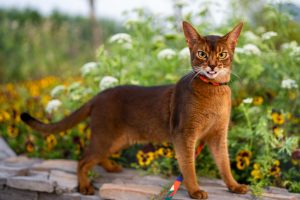 Abyssinian cats are one of the oldest known domesticated breeds, admired for their sleek appearance, inquisitive nature, and lively personality. At Olsen Veterinary Clinic, we love helping families understand what makes this breed unique and how to give them the best possible care.
A Glimpse into Their History and Domestication
While the exact origins of the Abyssinian are still debated, many believe the breed traces back to ancient Egypt. Their elegant, ticked coat and overall appearance resemble the cats seen in ancient statues and artwork. The modern Abyssinian was further developed in the United Kingdom in the late 19th century after cats were brought back from regions around the Red Sea—possibly Abyssinia (modern-day Ethiopia), which inspired the name.
Over generations of careful breeding, Abyssinians became a distinctly recognized breed known for their striking appearance and animated personality.
Breed Characteristics
Abyssinians are often called the “clowns” or “athletes” of the cat world. They are:
- Active and Playful – Abyssinians rarely sit still. They love to climb, explore, and stay involved in whatever their humans are doing.
- Highly Intelligent – Quick learners and problem-solvers, they enjoy puzzles, toys, and enrichment activities.
- Affectionate but Independent – While they bond strongly with their families, they aren’t typically lap cats. They prefer to participate and observe rather than snuggle for long stretches.
- Striking Appearance – The ticked coat is their signature trait, with each hair featuring multiple color bands. Common coat colors include ruddy, red, blue, and fawn. They have almond-shaped eyes, large ears, and a lean, muscular body.
Specific Needs of the Abyssinian
Because of their intelligence and high energy, Abyssinians thrive with environments that stimulate their body and mind. Some of their key needs include:
1. Mental Enrichment
They get bored easily, so interactive toys, foraging puzzles, and window perches can help prevent destructive behavior.
2. Physical Activity
Abyssinians enjoy climbing and jumping. Cat trees, wall shelves, and tunnels are great outlets for their athletic nature.
3. Social Interaction
They love being part of the household and don’t do well being left alone for long periods. Another friendly pet companion can sometimes help.
4. A Nutritious Diet
Their active lifestyle requires high-quality nutrition to support muscle tone and overall health.
5. Preventive Veterinary Care
Though generally healthy, Abyssinians can be predisposed to dental disease, patellar luxation, and certain kidney issues. Routine checkups are essential.
How to Provide the Best Care
Here are some practical tips to help Abyssinian owners meet their cat’s needs:
- Enrichment & Playtime
Schedule daily interactive play sessions using feather wands, laser pointers, or fetch-style toys. Rotate toys regularly to keep them interesting. - Environmental Set-Up
Offer various levels to climb, scratching posts, hideaways, and window views. They thrive in a dynamic space rather than a static environment. - Companionship
Spend time engaging with your cat daily. If your lifestyle keeps you away for long hours, consider adopting a compatible second pet. - Diet & Hydration
Feed a high-quality diet recommended by your veterinarian. Encourage water intake with fountains or multiple bowls. - Grooming
Their short coat is low-maintenance; weekly brushing usually suffices to remove loose fur. This also strengthens the bond between cat and owner. - Regular Vet Visits
Routine wellness exams allow early detection of health issues. Discuss breed-specific concerns like dental care, hereditary conditions, and bloodwork screenings with your veterinarian.
Is an Abyssinian Right for You?
Abyssinians make wonderful companions for families or individuals who can offer time, stimulation, and affection. They are not a low-energy breed and need a home that appreciates their curiosity, athleticism, and social nature.
If you’re considering an Abyssinian—or already share your life with one—Olsen Veterinary Clinic is here to support you with personalized care, nutrition advice, behavioral guidance, and routine wellness services.
Have questions about caring for an Abyssinian? Contact Olsen Veterinary Clinic today—we’re happy to help you keep your feline friend healthy, active, and thriving!
Celebrating The Responsibility Of Pet Ownership: What It Means to Be a Great Pet Parent
 Responsible Pet Ownership Month is actually in February, but at Olsen Veterinary Clinic, we believe now is the perfect time to reflect on the joy pets bring to our lives—and the responsibilities that come with caring for them. Being a great pet parent goes far beyond providing food and shelter. It means committing to your pet’s health, training, and overall well-being for their entire life.
The Responsibilities of Pet Ownership
1. Prioritizing Healthcare
Routine veterinary care is one of the most important aspects of responsible ownership. Just like people, pets need regular check-ups to stay healthy and catch issues early. Annual wellness exams, vaccinations, parasite prevention, dental care, and senior pet check-ups all play a vital role in ensuring your pet lives a long and happy life. Preventive care not only protects your pet but also helps avoid costly emergencies down the road.
2. Providing Proper Nutrition and Exercise
Feeding your pet a balanced diet appropriate for their age, breed, and health condition is key to maintaining good health. Pairing proper nutrition with regular exercise keeps your pet physically fit and mentally stimulated. Daily walks, playtime, and enrichment activities can help prevent obesity and reduce behavioral issues.
3. Training and Socialization
Good behavior doesn’t happen overnight. Training and socialization are essential for your pet’s safety and happiness. Teaching basic commands, house manners, and positive behavior builds trust and strengthens your bond. Socializing your pet with other animals and people helps prevent fear, anxiety, and aggression, making them a well-adjusted member of the family.
4. Providing Love and Companionship
Pets thrive on love, attention, and companionship. They depend on us not just for their physical needs but also for emotional well-being. Spending quality time together through play, snuggles, or quiet companionship enriches both their life and yours.
5. Commitment for a Lifetime
Welcoming a pet into your home is a lifelong promise. Whether it’s a puppy, kitten, or senior rescue, being a responsible pet parent means committing to their care through all stages of life. This includes adjusting to their changing needs as they age.
The Reward of Responsibility
Responsible pet ownership requires dedication, but the rewards are immeasurable. In return for your care and commitment, pets offer unconditional love, loyalty, and companionship. At Olsen Veterinary Clinic, we are here to support you every step of the way with preventive care, health guidance, and resources to help you be the best pet parent you can be.
Take a moment to reflect on your role as a pet parent and celebrate the bond you share with your furry family members. Together, let’s continue building a world where every pet is healthy, happy, and loved.
Back to School Blues: Helping Pets Adjust to Schedule Changes
 As the summer days wind down and families gear up for a new school year, pets often find themselves facing sudden and unfamiliar changes in their daily routines. The shift from long, playful summer days to quieter, emptier homes can trigger confusion, stress, or even separation anxiety in our furry companions.
At Olsen Veterinary Clinic, we understand how schedule changes can impact your pet’s mental and emotional well-being. Just like humans, pets thrive on routine, and any disruption—especially one as significant as the back-to-school transition—can lead to behavioral changes. Fortunately, with a few thoughtful strategies, you can help ease your pet into the new normal.
1. Gradually Adjust the Routine
Before the school year begins, start gradually shifting your pet’s schedule. Begin feeding, walking, and playing with them at times that will align with the new routine. This helps your pet adjust to the change without feeling overwhelmed when it happens all at once.
2. Create a Consistent Daily Schedule
Consistency builds comfort. Try to keep feeding times, potty breaks, and walks as consistent as possible. Even if family members are on the go, assigning pet care responsibilities ensures your pet gets the attention and structure they need each day.
3. Provide Morning and Evening Attention
Your pet may feel lonely during the day, so be sure to give them quality time in the mornings before everyone leaves and again in the evenings when the house is full again. Whether it’s a morning walk or evening cuddle, that bonding time is essential for emotional reassurance.
4. Keep Pets Stimulated While Home Alone
Prevent boredom and anxiety by leaving safe, interactive toys or treat puzzles for your pet. Calming music, pet-safe videos, or a window with a view can also keep them entertained while you’re away.
5. Practice Short Departures
In the weeks leading up to school, practice leaving the house for short periods so your pet gets used to being alone. Gradually increase the time to build your pet’s comfort and confidence with being alone during the day.
6. Consider a Pet Companion or Daycare
If your pet struggles with loneliness, consider introducing a companion (another pet, if feasible) or enrolling them in a trusted pet daycare a few times a week. Socialization and activity can help reduce stress.
7. Watch for Signs of Anxiety
Some pets may develop separation anxiety or other stress-related behaviors. Watch for signs like destructive chewing, excessive barking, accidents in the house, or changes in appetite. If you notice any concerning behaviors, don’t hesitate to contact Olsen Veterinary Clinic for guidance.
8. Use Calming Products if Needed
There are a variety of safe, vet-recommended calming products like pheromone diffusers, anxiety wraps, or natural supplements that may help soothe your pet during this transition. Ask us about what might be best for your furry friend.
The Takeaway:
Going back to school is an exciting time for families, but it can be a challenging adjustment for pets. With a bit of planning and compassion, you can help your pet transition smoothly and continue to feel safe, secure, and loved—even if their favorite humans are suddenly busier than before.
If you have questions about your pet’s behavior or need advice tailored to your pet’s personality, contact us or stop by Olsen Veterinary Clinic. We’re here to help your pet feel their best—no matter the season.
Fireworks and Festivities: Calming Your Pets During Summer Celebrations
 As summer rolls in, so do the celebrations—especially around the 4th of July. While we enjoy fireworks, barbecues, and outdoor festivities, these events can be overwhelming and even frightening for our pets. At Olsen Veterinary Clinic, we understand how stressful loud noises and big gatherings can be for animals, and we want to help you ensure your pets stay calm, safe, and secure during the summer’s loudest holidays.
Why Are Fireworks So Stressful for Pets?
Dogs, cats, and other animals have much more sensitive hearing than humans. Sudden loud noises like fireworks can be terrifying, triggering anxiety, panic, and even physical symptoms such as trembling, pacing, panting, drooling, or attempts to escape. Some pets may hide, while others may try to flee the noise—resulting in injuries or getting lost.
Tips for Keeping Your Pet Calm and Safe
Here are some veterinarian-approved tips to manage your pet’s anxiety and keep them safe during holiday festivities:
1. Create a Safe Space
Designate a quiet, comfortable area in your home where your pet can retreat when the noise begins. Use blankets, favorite toys, or an article of your clothing to make the space feel secure. Keep windows and curtains closed to reduce noise and flashes of light.
2. Keep Them Indoors
Always keep pets indoors during fireworks displays, even if they’re usually calm or used to being outside. Loud noises can cause even the most laid-back pet to bolt unexpectedly. Make sure doors, gates, and windows are secure.
3. Use Calming Tools
Consider using anxiety-reducing products such as:
- Pheromone diffusers or sprays (like Adaptil or Feliway)
- Calming wraps or vests (such as ThunderShirts)
- Veterinary-approved calming treats or supplements
Ask your veterinarian if a prescription anti-anxiety medication is appropriate for your pet if they have a history of severe noise anxiety.
4. Provide Background Noise
Turn on soft music, a fan, or the television to help mask the sounds of fireworks. The constant background noise can create a soothing environment and minimize the contrast of loud bangs.
5. Exercise Early
Take your dog for a long walk or play an extended session of fetch earlier in the day. A tired pet is more likely to rest and stay calm during the evening festivities.
6. Update ID Tags and Microchips
In the unfortunate event that your pet escapes, having up-to-date ID tags and a registered microchip greatly increases the chances of a safe return home. Make sure collars are snug and secure.
7. Stay Calm Yourself
Pets often pick up on our emotions. If you’re anxious or upset about the fireworks, your pet may become even more stressed. Stay calm and speak to them in a gentle, reassuring tone.
Final Thoughts
Fireworks and festivities are fun for people but often frightening for pets. With preparation and care, you can help your furry friend feel more secure and less anxious. If you have concerns about your pet’s behavior or need help choosing the right calming aid, don’t hesitate to reach out to us at Olsen Veterinary Clinic. We’re here to keep your pets happy, healthy, and safe—during every celebration and beyond.
Wishing you and your pets a safe and stress-free 4th of July!