
Posts Tagged ‘questions for your vet’
Can My Pet Be Lactose Intolerant?
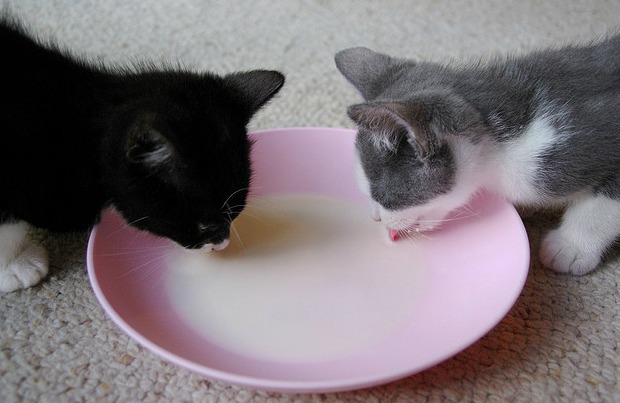 Did you know your pet can be lactose intolerant – and why this happens? We all see the commercials and the pictures of dogs and cats drinking milk out of children’s cereal bowls. But just because they eat it, does that mean it is the safe and advisable thing to do?
Lactose vs. Lactase
With lactose intolerance, the pets don’t possess the lactase enzyme to break down the lactose, which is a sugar. Lactase is an enzyme that breaks down and helps the digestive system to process lactose. The higher the lactose content, the less likely that your pet will be able to enjoy the aftermath, regardless of how happily it eats, drinks, or laps it up.
Without the lactase, the pet simply cannot digest the milk products and acute intestinal symptoms almost always arrive. These clinical signs can include:
- diarrhea
- abdominal pain
- bloating, nausea
- vomiting
These are all fairly typical indications of gastrointestinal distress. Sometimes a pet will drink excessive amounts of water when suffering from lactose intolerance, since diarrhea and vomiting are associated with it, causing the pet can be susceptible to dehydration.
I know that I will be presented with the argument that puppies and kittens drink mother’s milk at birth and is the primary source of nutrition for them. But as they grow older, their lactase production has decreased dramatically, therefore they do not produce enough to break down the lactose in milk. Another contributing factor is the fact that cow’s and goat’s milk have about twice the amount of lactose compared to a dog’s or cat’s milk. This high level can overpower the pet’s ability to digest it and can often lead to diarrhea.
Even though pets with milk intolerance can exhibit clinical signs, they can, under some circumstances, have some dairy products such as cheese and unpasteurized yogurt that usually have the lactose removed or broken down through bacterial actions. As a result, these products are ofter tolerated well in pets that would otherwise get diarrhea.
The general rule of thumb for pets and dairy products of all varieties is that they need to be low in lactose, low-to-no sodium, and with as little artificial preservatives and sweeteners as possible. If you feel compelled to give your pet a dairy product, do so in small amounts to establish your individual pet’s tolerance. Proceed with caution, and as with anything else, don’t hesitate to contact our office if you have any questions.
Should I Adopt A Cat Or A Dog?
 It is always a good time to adopt pets, but June has been designated cat adoption month. By far the most common pets are dogs and cats. If I asked a person the difference, I would probably get a strange look and an answer like “one barks and growls, where the other meows and purrs.” But there are other differences that affect them as to whether they may be the right pet for your family.
First off, dogs need to be cared for, whereas cats are independent. Dogs are descendants of pack animals. Dogs like company and will never be bored if one spends a lot of time with it. Their pack mentality allows the dogs to be trained more easily as they crave attention. On the other hand, cats love to spend a lot of time alone. Cats are solitary hunters that are more attached to their environment than they are to other cats.
The pack behavior also relates to how a dog is built physically. In the wild they are designed to run down their prey. This translates to dogs being built as long distance runners. Dogs need a lot of space as they love to run around. Cats are designed to stalk their prey. Their instincts lead them to sneak up on their prey and then pounce. This leads to cats being built more as sprinters rather than long distance runners. Contrary to dogs, cats are very happy in small places.
When looking at the nature of dogs and cats, the former loves to please you, but the latter always love to please themselves. Well, dogs are more affectionate when compared to cats. Dogs will wag their tail, and even their whole body, to show affection. A cat will only show affection by allowing you to scratch it behind the ears.
Unlike dogs, cats are lap animals. A cat will tolerate being smooched, but on the other hand, you will be smooched by a dog. Dogs are happy to see you when it is awaken from sleep, but a cat will just pretend to be sleeping, even if you try to wake it.
Dogs tend to be your friends at night and protect you from harms way by scaring the intruders. Cats, they will just run for cover.
By knowing your lifestyle, you can determine what pet is best for you. Dogs are more social, require more attention and space. Cats on the other hand tend to be happy being by themselves and don’t require as much attention and space. Both species can be rewarding pets.
If you have any questions about the right pet for you, please contact our office!
Questions For New Pet Owners To Ask Their Vet
 Congratulations! Welcome to the world of pet ownership. This might have happened to you over the holiday season. As responsible pet owners, it is important to keep your pet healthy and a good way to do that is to develop a relationship with a veterinarian. As with a person choosing their own physician, it is important to find a veterinarian that meets their needs, as well as getting the right sense of education, experience and personality.
Before you meet with a potential veterinarian, learn as much about the practice as you can by reading the clinic’s website, search the vet’s Facebook or Twitter page and see what their clients are saying. Maybe look for testimonials and note any red flags that may present. It may be helpful to schedule a meeting with the veterinarian-not for an exam, but to see what chemistry the veterinarian has with your pet. And then take the information gathered and decide if maybe they might be a good fit for you.
A pet owner must consider the health of their pet and tailor questions to address any needs or conditions that he or she has, especially if your pet may need specialized care in the future. The owner needs to consider the veterinary clinic’s policies and make sure that they meet the owner’s criteria. As in almost every situation, communication is important. It is important that you can get in touch with your veterinarian when you need to. Make sure the practice and your specific vet have open lines of communication, and know all the channels you can use to contact them.
With that in mind, here are some possible questions that you may want to ask a new veterinarian.
- How many veterinarians are in the practice? Will you see the same veterinarian every time or do the doctors switch or rotate without notice?
- How far in advance does the practice typically schedule appointments?
- If you need same-day care, will the practice see you or refer you to an emergency veterinarian?
- What are the qualifications of the technical staff? If your pet needs a simple procedure can you see a tech or do you need an appointment with the main vet?
- If your pet has a specific disease or ailment, does the veterinarian have experience treating that condition?
- Are the veterinarians open to alternative treatments like chiropractic care or acupuncture?
- Does the practice offer emergency or after-hours care? If not, where would the practice send you?
- In case referral work is needed, where does the veterinarian send them?
- What is the best way to contact the veterinarian during the business day and after hours?
- Is the veterinarian willing to answer questions via email?
There are many good veterinarians in practice out there, so finding an appropriate one may take some time and extra research. But in the long run, the task may be less challenging and lead to fewer problems by taking time to find one that meets your criteria.