
Posts Tagged ‘cats’
Should I Adopt A Cat Or A Dog?
 It is always a good time to adopt pets, but June has been designated cat adoption month. By far the most common pets are dogs and cats. If I asked a person the difference, I would probably get a strange look and an answer like “one barks and growls, where the other meows and purrs.” But there are other differences that affect them as to whether they may be the right pet for your family.
First off, dogs need to be cared for, whereas cats are independent. Dogs are descendants of pack animals. Dogs like company and will never be bored if one spends a lot of time with it. Their pack mentality allows the dogs to be trained more easily as they crave attention. On the other hand, cats love to spend a lot of time alone. Cats are solitary hunters that are more attached to their environment than they are to other cats.
The pack behavior also relates to how a dog is built physically. In the wild they are designed to run down their prey. This translates to dogs being built as long distance runners. Dogs need a lot of space as they love to run around. Cats are designed to stalk their prey. Their instincts lead them to sneak up on their prey and then pounce. This leads to cats being built more as sprinters rather than long distance runners. Contrary to dogs, cats are very happy in small places.
When looking at the nature of dogs and cats, the former loves to please you, but the latter always love to please themselves. Well, dogs are more affectionate when compared to cats. Dogs will wag their tail, and even their whole body, to show affection. A cat will only show affection by allowing you to scratch it behind the ears.
Unlike dogs, cats are lap animals. A cat will tolerate being smooched, but on the other hand, you will be smooched by a dog. Dogs are happy to see you when it is awaken from sleep, but a cat will just pretend to be sleeping, even if you try to wake it.
Dogs tend to be your friends at night and protect you from harms way by scaring the intruders. Cats, they will just run for cover.
By knowing your lifestyle, you can determine what pet is best for you. Dogs are more social, require more attention and space. Cats on the other hand tend to be happy being by themselves and don’t require as much attention and space. Both species can be rewarding pets.
If you have any questions about the right pet for you, please contact our office!
How To Prevent Hairballs In Your Cat
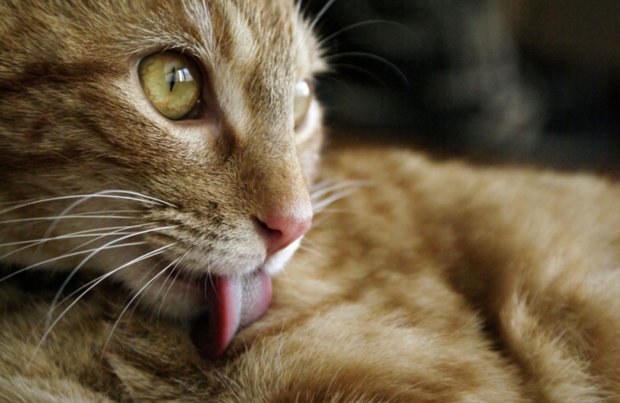 There is not many things worse than laying in bed and listening to your cat hacking, gagging and retching at night and then getting up and stepping on a disgusting hairball with your bare feet in the morning. Let alone it being on your newly cleaned carpet.
Even though hairballs may be a topic of jokes, they can pose a danger to your cat by potentially blocking the intestines. Sometimes veterinary care may be necessary which can lead to surgical intervention.
The scientific name for a hairball is a trichobezoar. It is the unsavory by-product of a good, clean habit. This damp wad of undigested hair that is moistened by bile and other digestive fluids and tend to be “cigar-shaped” because when we see them, they have been regurgitated through the esophagus which is tube shaped. Some are normal, but as the cat continues to groom itself, the hair fibers are guided down to the stomach by the tongue and form. As they form, this can lead to discomfort, vomiting, anorexia, and diarrhea. The retching can sometimes be confused with asthma, so it is best to have it checked out by your veterinarian.
There are a number of effective ways to avoid and prevent hairballs. Used routinely, they can help hairballs from forming and you won’t need that terrifying trip to the veterinary clinic.
The number one thing is to brush your cat frequently. Not only do they like it, but you remove the loose hair. Brushing is the fastest and easiest way to reduce hair ingestion and it keeps it off your furniture also. One that is really good is called “The Furminator”. They are really durable and are found at all the pet stores.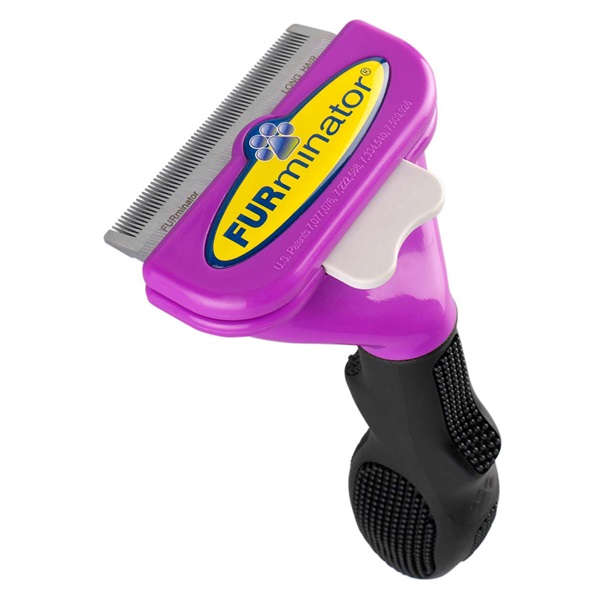
A lot of owners feed their pets a hairball formulated diet. These formulas contain beet pulp, carbohydrate blends and a fruit or vegetable extract known as FOS that promotes healthy stomach bacteria. This combination of ingredients not only helps to reduce hairballs, but it also enhances your cat’s ability to absorb nutrients, provide bulk to move food through the intestine, promote colon health and reduces waste and litter box odors.
Commercial products like Laxatone or CatLax provide assistance by lubricating action or providing soft bulk or both. These products contain mineral oil and sometimes can deplete the body of vitamin A if taken in large quantities.
Homeopathic remedies such as butter two to three times a week as well as pumpkin or squash have been used with success. The pumpkin and squash also may help with constipation or diarrhea because of the added fiber.
Lastly there are products that are edible emulsifiers that break down the fat in the hairball. Nestle Purina studied hairballs and found that they were composed of a lot of fat in the mix. This product which contains soy lecithin breaks down the existing hairball and allows it to pass more easily through the digestive tract and minimizes the formation of new hairballs. The product that we have in our clinic here is called Capilex and we have had some good results with it.
Hairballs are an unpleasant side effect of your cat’s natural inclination to stay clean and beautiful. Our job as owners is to allow that self-grooming but take responsible steps to make sure it doesn’t result in a dangerous, albeit hairy, health hazard.
As always if you are concerned about your pet’s health, contact our office and we can find the best solution for you and your pet.
National Poison Prevention Week For Pets
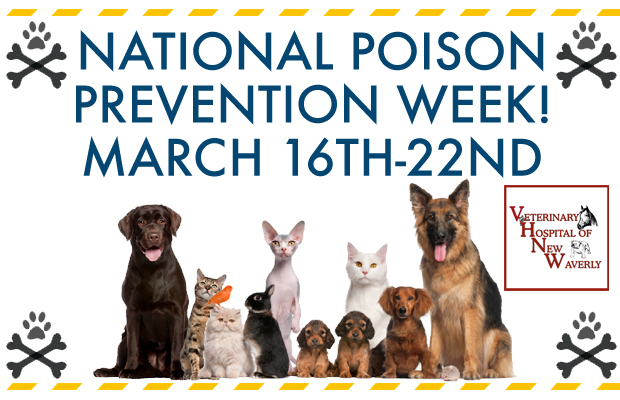 Did you know that the third week of March is designated National Poison Prevention Week? The Pet Poison Helpline wants everyone to remember the four-legged members of your family. About 90% of the calls to the helpline involve dogs because they tend to be more curious, unpredictable, and indifferent to eating just about anything.
Many products that are kept around your house can be toxic to your pet, so it is important to keep the Pet Poison Helpline number to contact if needed. That number is 1-800-213-6680. If an emergency occurs, they are available to help and assist the frantic owner.
As with almost everything else, prevention is best, so here are some pointers to help prevent poisoning. By taking note, this can reduce the exposure to poisons.
- Never give your pet any medications unless specifically instructed to do so by your veterinarian. Tylenol is a common medication to help relieve your headache, but it can be deadly to your pet. As little as one 500mg tablet can kill a cat.
- If you use flea control, always read the label directions for proper application. Never put a flea control product on your cat that is for a dog or vice versa. Permethrin is a product in flea controls that is extremely toxic to cats. As a matter of fact, a few drops can potentially be life-threatening.
- Be aware of some houseplants. They may be pretty, but they can also be toxic to eat or chew on. This is not a problem in human adults, but pets and children love to explore, chew and taste. Plants like oleander, rhododendrom, azaela and yews can affect the heart and be cardiotoxic. Rhubarb can cause kidney damage and some mushrooms can cause liver damage.
- While essential to a car’s cooling system, antifreeze can be fatal to cats and dogs. It is sweet-tasting and as little as one lick can be deadly. It is important to sweep up all spills and keep it locked away from pets. It may be more expensive, but a safe antifreeze alternative could prevent accidental exposure.
- If you apply weed killer or insecticide to your lawn or fertilize your plants or garden, remember to follow label directions for proper applications and do not allow pets access to these areas until the amount of time listed on the label by the manufacturer has passed ant the product has dried thoroughly. Your pet could become exposed by licking its’ paws after walking through treated areas when wet or before access should be allowed.
- Alway store lawn and garden products in areas that are inaccessible to animals such as locked storage sheds or garages. These products can include rodenticides, slug and snail baits, paint, oil and gasoline that are potentially dangerous chemicals to name a few. Rat poisons are a bait to attract the rodent, and this works on rodents as well as pets. Even if it is hidden or seemingly out of your pet’s reach, determined pets may be creative to reach the bait. Also, rodents that have died from the poison and are ingested by pets pose a risk.
- Meat and food scraps mixed with discarded household cleaner containers and other trash are a recipe for disaster on many levels! Even “good pets” who usually don’t get into garbage may get an inclination due to what they smell or if they are bored and hungry. It is important to protect your pets from getting into the trash by securing all your garbage cans with tamper-proof lids. For extra protection, you may want to keep them safely out of reach in the cupboard or shed.
- If you are unsure about proper usage of any product, please call the manufacturer and/or your veterinarian for instructions. It is also helpful to keep hydrogen peroxide or Syrup of Ipecac on hand to induce vomiting if instructed by your veterinarian.
If you suspect that your pet has ingested a potentially poisonous substance, immediately call your veterinarian or the Pet Poison Helpline. Again their number is 1-800-213-6680. In most instances, early detection and prompt treatment may help reduce the risk of developing clinical signs or increase the chances of a successful recovery if signs are present. It will help to note what you think your pet has eaten, when he ingested the substance in question and any problems he is experiencing.
How Do I Know If My Pet Has Rodenticide Toxicity?
 With the cold weather upon us, many other four-legged friends such as mice are taking up refuge in our houses trying to keep warm. In order to control this problem, many happen to go to our local hardware store and put out rodenticides. Unfortunately, several of our curious pets may venture upon the “mouse bait” and ingest it. This can cause serious problems which can include death if not noticed and proper treatment received.
There are several different rodenticides such as anticoagulants, bromethalin, and cholecalciferol that are used and they all attack different body systems. So it is important to know the active ingredient so that proper treatment can be implemented.
Signs of rodenticide toxicity do not show up for several days and sometimes are very subtle and unrecognized. The most common sign may be bloody saliva in your pets water bowl. If you suspect that your pet has ingested the poison, it is best to seek medical attention as soon as possible. Take the poison box with you. That way the veterinarian can see which product has been ingested and proper medications will be given. Your veterinarian will want to induce vomiting as soon as possible, including giving activated charcoal to reduce the absorption of it in the stomach. Other products such as Vitamin K, or lasix may be giving depending on the poison. Bloodwork and a urinalysis will be done to assist the veterinarian with the diagnosis and prognosis.
A quick and easy recipe to use for getting your dog to vomit would be to give your dog one to two slices of white bread and then give a mixture that consists of 3 tablespoons of Hydrogen Peroxide, and 1 tablespoon of peanut butter. Wait 10 minutes to see if your pet vomits. If it doesn’t repeat it again.
As the old adage says, an ounce of prevention is worth a pound of cure. It really holds true here. To create a safer environment for your pet, prevent access to areas where you lay poisons for mice. Keep garage doors shut, cabinets closed, and lock the basement. Never put poison outside near your dog’s run, and should you find dead rodents, remove them immediately. Ingesting a poisoned mouse can be just as toxic as eating the poison from the trap.
If you have any other questions, don’t hesitate to contact our office.
Preventing Tick-Borne Disease
 Ticks are a world-wide problem. They carry several diseases that can threaten the health of your dog. Such diseases include Ehrlichia, Anaplasma, Rocky Mountain Spotted Fever, and Lyme Disease. These diseases present us with different symptoms and most are difficult to diagnose in the early stages without aggressive diagnostic testing and prompt treatment. Depending on the disease, we can be presented with clinical signs that include lethargy, neurological deficits, deficiencies of all blood elements, high fever, arthritic pain, kidney failure, paralysis, and ultimately death. Early diagnosis and proper treatment is essential for positive outcomes.
In order to prevent tick infestations, we must first understand the ticks environment and life cycle. Environmental prevention is based on what we know about the tick, which seems to be geared toward only two things, reproduction and survival, both of which depend on blood.
An adult female tick gets impregnated by a much smaller male and then engorges itself on the blood of an animal, it falls off and dies after laying a batch of eggs that may number in the thousands. The tiny, six-legged larvae that emerge from the eggs do not all survive, but the ones that do attach themselves for their first blood meal on small mammals like field mice. This is where the trouble can start for dogs if that mouse is a carrier-host for tick-borne disease since ticks are usually not born infected.
After feeding, the larvae molt, become nymphs and gain another pair of legs and the chance to become a carrier if the larger animal they feed on has a tick borne disease or pass infection on if they are already a vector from feeding on the small mammal.
Most ticks will climb on a grass blade or low-hanging tree branch and wait for your pet to come along, holding up their front legs in anticipation of grabbing hold. The ticks have chemoreceptors in sensory organs that act as taste buds on their front legs that they use to find their next meal. They know us by the carbon dioxide that the dogs and we breathe out, moisture, body heat and butyric acid which is a chemical that all mammals give off. So when a dog brushes by a tick, it will latch onto its fur and start looking for a place to attach and feed.
Not all ticks carry disease, but because of the numbers that exist makes sense to do everything possible to protect our dogs from being bitten. The way the tick behaves gives us clues how to keep the ticks away.
Obviously, since ticks like tall grasses and low-hanging tree limbs, it is best to cut the grass and remove the branches. It is also good to keep dogs away from areas where there could be small rodents such as stone walls and wood piles.
You can also spray the surroundings with a mild dish soap like Ivory with a garden sprayer. This detergent will also kill the honey bees, so do this in the evening when they are not around. Ticks do not like sulfur because of the pungent odor to their sensory organs.
There are several preventatives that are on the market that prevent ticks. Most of the good ones contain Amitraz. But do not use the products that contain Amitraz and permethrin on cats because they are toxic to them. Frontline Plus which is made by Merial contains Fipronil which is safe for cats.
The only tick-borne disease that has a vaccine available for prevention is Lyme disease. It works best in young dogs that have never been exposed before and must be given every year. Dogs have been known to get Lyme even though they have been vaccinated. Most veterinary teaching hospitals do not recommend it unless you live in an area where there is a strong likelihood of infection. The ease with which Lyme can be detected and treated may weigh against using the vaccine. Very rarely, dogs can have a reaction to the vaccine which leaves them with all the painful symptoms of Lyme disease but no hope of being cured as there is no disease to fight. Unfortunately, you cannot know if yours will be one of them before you vaccinate. However, many have been vaccinated and suffered no serious reaction and appear to be protected by the vaccine.
The best and safest way to remove a tick is to use a small curved Kelly forceps or a pair of tweezers or one of the tools especially made for the purpose, catch the tick right behind the flattened head as close as possible to the dog’s skin, and pull gently and straight out. Do not ever try to remove a tick with your fingers, burn it, put petrolatum jelly on it, twist it or jerk it. By grasping the tick with your fingers, you risk propelling the infectious saliva from the tick into your dog. After removing the tick drop it in a solution of water and dish soap to kill it.