
Posts Tagged ‘animals’
Common Health Problems In Senior Cats
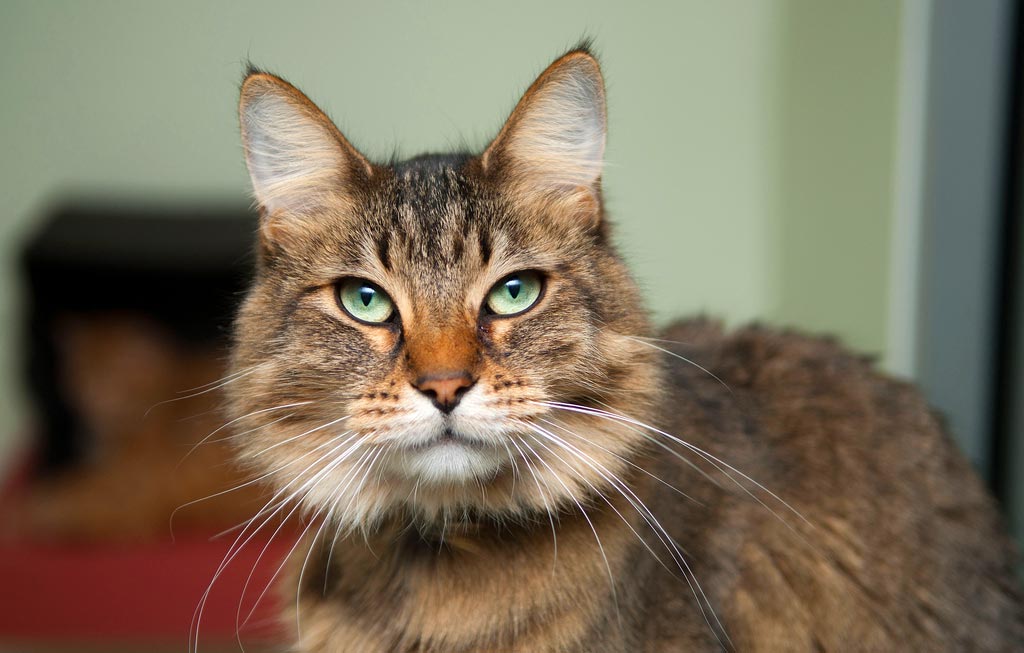 With medical breakthroughs, cats have tended to increase their lifespan—especially the cats that are mostly indoor. But with these advanced years, other health related issues can crop up that can alter the health of your geriatric pet. Common health problems in senior cats include chronic kidney disease, dental disease, diabetes and others. But nationwide, as veterinarians, we have tended to see decreased visits from this age group.
A well-cared for indoor pet can live well into its teen years, while cats that go outside significantly reduce their odds. Most indoor cats can easily live to between 12 to 18 years. There is no set rule for when a pet is in its golden years, but they are considered seniors the last 1/3 of their lives.
The following will touch on a few of the common health problems that an aged cat faces after it becomes geriatric.
Dental Disease
Most cats have some form of gum disease by the age of 2, primarily because they don’t receive any home or professional dental care and they don’t show any pain or discomfort until the disease is advanced. While treatments usually start at about $400, regular dental care can reduce the cleaning bill. Good dental hygiene can also prevent other issues. There are also a number of painful conditions of the mouth that are dramatically increased in the older pets. This means that proper dental care is extra important. Daily homecare and professional cleanings are required by your veterinarian as the best way to keep your cat’s mouth healthy and disease free. These are important with cats with chronic issues like kidney failure, heart disease and diabetes. Due to the fact that the oral cavity is very vascular, systemic infections that affect the heart, liver and kidneys can arise.
Arthritis
Cats get arthritis just like dogs and there are fewer medical options available because cats metabolize at a much slower rate. But that doesn’t mean that they have to endure pain. Studies have shown that as much as 90 percent of cats that are 12 years or older have some degree of arthritis which is a long term and permanent deterioration of cartilage around the joints. It is important to keep your cat at a lean healthy weight and make sure that they get exercise and daily activity to prevent muscle weakness and preserve muscle tone.
Chronic kidney disease
Disease affecting the kidneys is a common affliction in older cats. Essentially the kidneys act as a filter system to filter the wastes products out of the blood system that the body has produced. When the disease affects the cats, it can make the cats more prone to urinary tract infections and the cat may consume more water and urinate more. Clinical signs also may include lethargy, vomiting, inappetence, and weight loss. While there is no cure for kidney disease, there are low protein and low phosphate diets available that can help by giving the kidneys less work to do. Early detection can also allows veterinarians to slow the progression of symptoms.
Hyperthyroidism
Though it may seem a good thing, an excessive appetite and increase in energy could be clues that your geriatric cat may have developed hyperthyroidism which is a condition in which the thyroid gland produces greater levels of thyroid hormone than necessary. Cats with hyperthyroidism are also more prone to hypertension which can contribute to kidney failure and heart disease if the condition goes untreated. If you suspect your cat may have hyperthyroidism, schedule a visit with your veterinarian for blood work and to discuss treatment options.
Hearing Loss
Even with cats, the sense of hearing begins to go with age. If you suspect your cat isn’t hearing as well as he used to, monitor his behavior. Signs of diminished hearing may include sleeping more soundly than usual or seeming to ignore noise that used to bring him running. You can’t purchase hearing aids for your pet yet, but you still can communicate with him. Teach him hand signals, stomp your foot, so he feels the vibrations and knows that you are nearby, or use time-honored methods to alert him that it is dinnertime. Cats with hearing loss should never be left outside unsupervised. If your cat is used to wandering the neighborhood, it is time to confine him to a secure enclosed area on a patio or a porch.
Failing Vision
Cataracts, glaucoma, and retinal detachment are among the eye conditions that can affect geriatric cats. Look for signs such as cloudiness or whiteness of the lens, general cloudiness of the eye, dilated pupils, or bumping into things. Medications can help depending on the type and severity of the problem. Cataracts can be removed surgically, but cats typically get around well using their sense of smell, so it is usually not necessary. Just remember not to move the furniture around.
Cancer
Since thirty percent of all cats 10 years of age and older are diagnosed with cancer at some stage of life, it is no surprise that cancer is on the list. There are many types of cancer that affects cats but one of the most common is Lymphosarcoma. Take your pet to your veterinarian immediately if you notice clinical signs like weight loss, lumps or bumps, appetite loss, sores that don’t heal, bleeding, or any unusual symptoms that might persist. Symptoms are dependent on the type of cancer involved.
One of the blessing of cats is that age seems to creep up on them gently—so much that it may be difficult for us to notice that they really are older and have developed some of the common health problems associated with aging. Though some conditions are inevitable with advanced age, there are ways that you and your veterinarian can work together to help your cat stay comfortable and contented for as long as possible. So if you feel that your cat is having some issues, please don’t hesitate to call us at (618)-656-5868, or contact us here.
Dr. Olsen’s Breed Spotlight: Lagotto Romagnollo
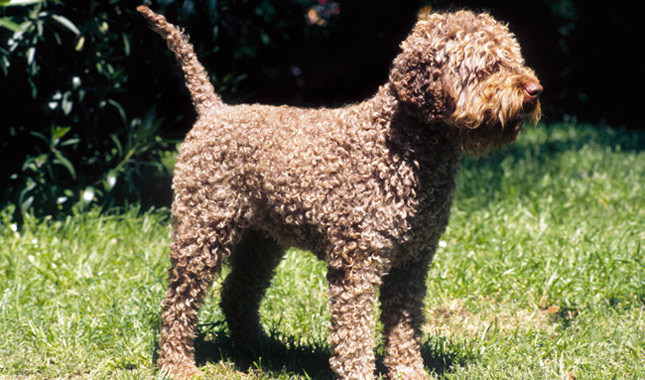 At last month’s Westminster Dog Show in New York City, a German Shepherd named Rumor won the best of show. German Shepherds are quite popular, however I would like to put the spotlight on a breed that is not so popular. This month’s breed is the Lagotto Romagnollo. The dog’s name means “lake dog from Romagna.”
The Lagotto Romagnollo breed dates back to the 1600’s in Italy. They were originally bred as a hunting breed to assist in the retrieval of coots in the wetlands of Italy. The medium sized, curly coated dog would work tirelessly retrieving the birds often breaking through ice to do so. After the wetlands had dried up in the 19th century, the dogs were taught to find and retrieve the valuable fungi truffles in the countrysides of Italy. This was made possible because the breed had a sharp aptitude for searching, a steep learning curve and an unbeatable sense of smell.
The Lagotto Romagnollo is often compared the the Portuguese Water Dog because of the hunting ability and curly coat. An interesting fact is the Lagotto is the only dog specifically bred to hunt truffles.
The mid-sized dog adult weight will be 24 to 35 pounds. It is approximately 16 to 19 inches tall and has a life expectancy of 15 years. Coat colors can include more than one color of brown, roan, off white, white or orange.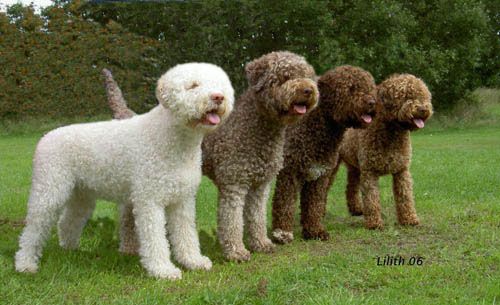
Lagatto Romagnollos very rarely shed because of their waterproof double coat and are considered hypoallergenic. Trimming the dog’s coat will be necessary but you won’t need to brush it very often.
This breed are very intelligent and energetic dogs that love to play and swim outdoors, so it will be important for them to be part of a family. While the breed strongly bonds to its human family, it is best to socialize them at an early age because of their shyness. Once they bond and are socialized, the breed thrives best with lots of interaction. They are definitely an indoor breed that needs time outside to be well adjusted and content.
As pointed out earlier they are active but not hyper, so the owner must be willing to invest and commit time every day to train them. The Logattos are a delight to train and are good problem solvers. Besides truffle hunting, their intelligence has allowed them to be trained to do search and rescue, participate in therapy work and game hunt. Their intelligence, jumping ability and drive make them ideal candidates for various competitions such as agility, tracking, obedience and nose work. Most are naturally drawn to water and love to swim.
If you have a Lagatto Romagnollo or not, the Olsen Veterinary Clinic would like to be your hometown veterinarian. If we can be of service please feel free to call us at (618)-656-5868 or send us an email.
October is National Pet Adoption Month
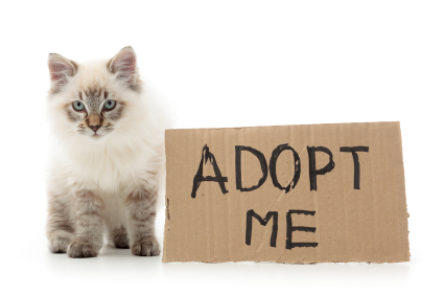 October is National Pet Adoption Month and many people constantly are adopting pets from rescue organizations. Peoples lives are enriched in ways that they have never dreamed possible. Bringing home a new pet is such an exciting and fulfilling experience, but it can be a bit daunting as well, especially if you have never shared your home with a furry companion. Here are some tips to get your relationship off on the right foot.
Be prepared Before you bring your pet home, determine where your pet will be spending most of its time. Because it will be under a lot of stress with the change of environment, it may forget any housebreaking it has learned. An area with tiled, pergo, or linoleum floors may be best because it is easiest to clean up. You will also need to dog-proof the area where your pet will spend most of its time. This may mean taping loose electrical cords to baseboards, storing chemicals on high shelves, removing plants, rugs and breakables. The more prepared that you are, the smoother your new family member’s transition will be.
Shop for the basics You will need a leash, collar, food and water dishes and of course food. It is best to know what your new adoptee is eating as an abrupt diet change can cause diarrhea and other problems. If you change its diet, do it as a gradual change like maybe over 10 to 14 days. One other thing to buy is a medal id tag. It does not replace microchipping, but it does help some. If you are planning on crate training your pet, it is best to wait and take your pet with you to purchase it. This way you will get the proper size.
Consistency Make sure all family members are on the same page. Ground rules need to be set and the family members need to agree to follow and enforce them. For instance, if you don’t want your new pup on the couch, all the training in the world won’t help if your child lets it sit there with you when you are not home. Also, caring for your pet is a family effort and endeavor, so it is important that everyone understands their particular roles and responsibilities.
Adjustment Over the first few days to few weeks, your new pet will be undergoing an adjustment period. These surrounding are new to him, so you may notice some anxiety issues that may include appetite loss or suppressed bowel habits. It may even hide under or behind furniture or stay in one room. Don’t be alarmed-this is absolutely normal behavior. Give the pet time to acclimate to your home and family. By showing patience, you will help it through a tough, scary time and it will show the pet how wonderful his new home really is.
Set Schedule It is best to set a schedule for feeding, toileting and play/exercise. From Day One, your dog will need family time and brief periods of solitary confinement. Don’t give in and comfort it when it whines when left alone. Instead, give it attention for good behavior, such as chewing on a toy or resting quietly. By sticking with a schedule that you created, your pet will be bonded with you in no time and the pet will be showing its true personality.
Veterinary Care Schedule a first visit to your pet’s veterinarian during the first week. Bring any and all medical and vaccination records that were supplied by the shelter or rescue from which you adopted your dog. This first visit os a great time to get clues about your pet’s personality and past history, so don’t be afraid to ask lots of questions. Also, if your pet is not microchipped, this is a good time to do it because true love is hard to replace.
Congratulations! If you follow these tips, you’ll be on your way to having a well-adjusted family member. Make sure to contact us if you have any questions!