
Is Your Pet at Risk for Weight Gain? Understanding Pet Obesity and Hidden Calories
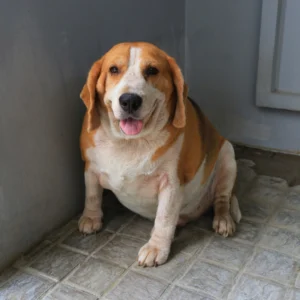 If you’ve ever looked at your dog or cat and thought, “They’ve put on a few extra pounds,” you’re certainly not alone. In fact, pet obesity has become one of the most common health concerns veterinarians see today.
The tricky part is that weight gain usually doesn’t happen overnight. It happens gradually—a few extra treats here, a few table scraps there, a little less exercise during the winter months—and before you know it, those extra pounds begin affecting your pet’s health.
The good news is that maintaining a healthy weight is one of the best things you can do to help your pet live a longer, happier life.
Those Little Extras Add Up
Many pet owners are surprised to learn just how quickly calories can sneak into their pet’s daily routine.
It isn’t usually the regular meals that cause the problem. More often, it’s the “extras.”
A handful of treats during training.
A bite of hamburger while grilling.
Sharing popcorn during movie night.
A few pieces of cheese because they’re giving you those irresistible eyes.
Individually, these don’t seem like much. But over weeks and months, those extra calories begin to add up.
For smaller dogs especially, a single high-calorie treat can be the equivalent of a person eating several donuts in one sitting.
Portion Sizes Matter More Than You Think
One of the biggest mistakes I see is estimating how much food a pet needs.
Many owners simply fill the bowl without measuring, and over time those portions tend to get a little bigger.
Pet food bags often provide feeding guidelines, but those recommendations are just a starting point. Every pet is different. Age, breed, activity level, metabolism, and underlying health conditions all play a role in determining how much food is appropriate.
Using a measuring cup instead of guessing is one of the easiest ways to help prevent unwanted weight gain.
Exercise Isn’t Just for Young Pets
As pets get older, it’s easy to assume they don’t need as much activity. While their exercise routines may need to change, movement is still incredibly important.
Daily walks, interactive play, puzzle toys, swimming, or even short play sessions throughout the day can help keep pets physically and mentally healthy.
Cats benefit from exercise, too. Feather wands, laser toys (used responsibly), climbing trees, and food puzzles encourage movement that many indoor cats don’t get enough of.
The goal isn’t to create an athlete—it’s simply to keep your pet moving.
Why Extra Weight Is a Bigger Problem Than It Looks
Many owners think a little extra weight just makes their pet look “well fed.”
Unfortunately, excess weight puts added stress on nearly every system in the body.
Overweight pets are at greater risk for:
- Arthritis and joint pain
- Diabetes
- Heart disease
- High blood pressure
- Breathing difficulties
- Liver disease
- Reduced stamina
- Certain types of cancer
- Shortened lifespan
Even losing a small amount of weight can improve mobility, energy levels, and overall quality of life.
How Can You Tell If Your Pet Is Overweight?
Sometimes it isn’t obvious because we see our pets every day.
Generally, you should be able to feel your pet’s ribs without pressing hard, and when viewed from above, most dogs and cats should have a noticeable waistline.
If your pet has lost that natural shape or tires more easily than they used to, it’s worth discussing during their next wellness visit.
We’re happy to help determine whether your pet is at a healthy weight and recommend realistic goals if weight loss is needed.
Healthy Doesn’t Mean Hungry
One concern I hear often is, “I don’t want my pet to feel hungry.”
Fortunately, healthy weight management doesn’t usually mean drastically cutting food.
Sometimes it’s as simple as:
- Measuring meals more accurately
- Choosing lower-calorie treats
- Reducing table scraps
- Increasing daily activity
- Switching to a diet that’s better suited for your pet’s needs
Small changes are often the most successful because they’re easier for both pets and owners to maintain.
We’re Here to Help
Every pet is unique, and there isn’t a one-size-fits-all feeding plan.
If you’re unsure whether your dog or cat is at a healthy weight, don’t hesitate to ask. During your pet’s wellness exam, we can evaluate their body condition, discuss nutrition, and help develop a plan that fits your pet’s lifestyle.
A healthy weight isn’t about appearance—it’s about giving your pet the best opportunity to enjoy more active years with the people who love them.