
Parasites You Don’t See: Understanding Intestinal Worms in Pets
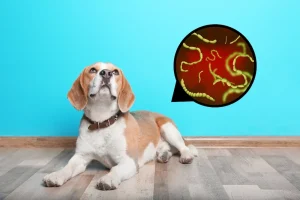 At Olsen Veterinary Clinic, we often talk with pet owners about the things they can see—like itchy skin, ear infections, or limping. But some of the most important health threats are the ones you don’t see at all. Intestinal parasites, commonly referred to as worms, are a perfect example.
These hidden invaders can live inside your pet without obvious signs, quietly affecting their health—and in some cases, yours too.
What Are Intestinal Parasites?
Intestinal parasites are organisms that live in your pet’s digestive tract, feeding off nutrients meant for your dog or cat. The most common types include:
- Roundworms
- Hookworms
- Whipworms
- Tapeworms
Each type behaves a little differently, but all can compromise your pet’s health if left untreated.
How Do Pets Get Worms?
Many pet owners are surprised to learn just how easy it is for animals to pick up intestinal parasites. Infection can happen in several ways:
1. Contaminated Soil or Feces
Pets can ingest microscopic parasite eggs from contaminated ground while sniffing, licking, or grooming their paws.
2. Hunting and Scavenging
Rodents, birds, and even fleas can carry parasite larvae. Pets that hunt or ingest these carriers are at higher risk.
3. Mother-to-Young Transmission
Puppies and kittens can acquire worms from their mother during pregnancy or nursing.
4. Flea Infestations
Certain tapeworms are transmitted when pets swallow infected fleas during grooming.
Even indoor pets are not completely safe—parasite eggs can be tracked inside on shoes or other animals.
Signs You Might Not Notice
Some pets show clear symptoms, while others appear completely normal. When signs do occur, they may include:
- Weight loss despite a good appetite
- Diarrhea or soft stool
- Vomiting
- Dull coat
- Scooting or licking around the rear
However, many infected pets show no visible symptoms at all, which is why routine screening is so important.
Why Fecal Testing Matters
Because these parasites are often invisible, fecal testing is the most reliable way to detect them.
At Olsen Veterinary Clinic, we recommend regular fecal exams—even for healthy pets. These tests allow us to:
- Detect parasite eggs under a microscope
- Identify the specific type of worm
- Prescribe targeted treatment
Routine testing is especially important for puppies, kittens, and pets that spend time outdoors or around other animals.
Risks to Humans
Some intestinal parasites are zoonotic, meaning they can be transmitted from pets to people.
Humans—especially children—can be exposed through accidental ingestion of contaminated soil or contact with infected feces. Certain parasites can cause:
- Skin irritation or rashes
- Gastrointestinal illness
- More serious complications in rare cases
Good hygiene and regular veterinary care significantly reduce these risks.
Prevention: Protecting Your Pet and Your Family
The good news is that intestinal parasites are both treatable and preventable. Here’s how you can reduce the risk:
Routine Veterinary Visits
Regular checkups and fecal testing are your first line of defense.
Year-Round Preventatives
Many parasite prevention medications protect against multiple types of worms.
Prompt Waste Cleanup
Removing feces from your yard or litter box helps prevent reinfection and environmental contamination.
Flea Control
Keeping fleas under control reduces the risk of tapeworm transmission.
Handwashing and Hygiene
Always wash hands after handling pets, especially before eating.
The Takeaway
Intestinal parasites are common, often invisible, and easily overlooked—but they don’t have to be a problem. With routine testing, preventative care, and a little awareness, you can protect both your pet’s health and your family’s well-being.
If you have questions about parasite prevention or would like to schedule a fecal exam, Olsen Veterinary Clinic is here to help. Early detection makes all the difference—even when you can’t see the problem.