
Backyard Dangers You Didn’t Know Were Toxic to Pets
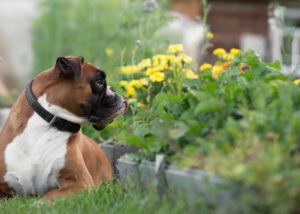 For many of us, the backyard is the perfect place to spend a summer afternoon. Whether you’re gardening, grilling, or simply relaxing on the patio, chances are your pets are right there with you.
While we often think about keeping our pets safe indoors, the backyard can hide several hazards that many pet owners don’t recognize. The good news is that most of these dangers are easy to avoid once you know what to look for.
Here are a few common backyard items that deserve a second look.
Beautiful Plants Can Be Dangerous
Flowers and landscaping make our yards more enjoyable, but some popular plants can be toxic if pets decide to nibble on them.
Some common plants that can cause problems include:
-
Lilies (especially dangerous for cats)
-
Azaleas
-
Rhododendrons
-
Sago palms
-
Oleander
-
Tulips and daffodil bulbs
-
Foxglove
Depending on the plant, symptoms can range from mild stomach upset to serious heart, liver, or kidney problems.
If you’re adding new landscaping, it’s worth checking whether the plants are pet-safe before bringing them home.
Mulch Isn’t Always Harmless
Many homeowners use mulch around flower beds, but not all mulch is created equal.
Cocoa mulch, made from cocoa bean shells, contains compounds similar to those found in chocolate. If eaten, it can be toxic to dogs.
Even traditional wood mulch can cause problems if large pieces are swallowed, potentially leading to stomach irritation or intestinal blockage.
If your dog enjoys chewing sticks or digging in flower beds, keep a close eye on them around freshly mulched areas.
Fertilizers Can Be Tempting
Fertilizers often contain ingredients that smell interesting to pets, especially products containing bone meal, fish meal, or blood meal.
Unfortunately, those same ingredients can encourage dogs to eat fertilizer directly from the bag or newly treated lawn.
While some fertilizers may only cause vomiting or diarrhea, others can contain chemicals that lead to much more serious illness.
Always follow label instructions and keep pets off treated areas for the recommended amount of time.
Citronella Isn’t Pet Friendly
Citronella candles and torches are a summertime favorite for keeping mosquitoes away, but they should be used with caution around pets.
The oils found in citronella can irritate your pet’s skin and digestive system if ingested. Curious puppies, in particular, may chew on candles or torch wicks.
If you’re using citronella products outdoors, place them well out of your pet’s reach and never allow pets to chew or lick them.
Compost Piles Can Be Surprisingly Dangerous
Compost bins are excellent for gardening—but not for curious pets.
As food scraps decompose, mold can develop that produces toxins harmful to dogs. Compost piles may also contain onion, garlic, grapes, coffee grounds, avocado, or other foods that are toxic to pets.
To a dog, a compost pile can smell like an all-you-can-eat buffet.
To us, it can quickly become an emergency.
Keep compost bins securely covered and inaccessible to pets.
Pest Control Products Require Extra Care
Many homeowners use products to control insects, weeds, rodents, or slugs during the summer months.
Unfortunately, some pesticides, herbicides, and rodenticides can be extremely dangerous if pets ingest them or walk through recently treated areas.
Even products labeled as “natural” or “organic” aren’t automatically safe for animals.
Always:
-
Read product labels carefully.
-
Follow directions for when pets can safely return to treated areas.
-
Store all lawn and garden chemicals securely out of reach.
If you’re unsure whether a product is pet-safe, ask before using it.
Know the Signs of Poisoning
If your pet has been exposed to something toxic, quick action can make a big difference.
Watch for signs such as:
-
Vomiting or diarrhea
-
Excessive drooling
-
Loss of appetite
-
Tremors or seizures
-
Weakness
-
Difficulty breathing
-
Unusual tiredness or behavior changes
If you suspect your pet has eaten something toxic, don’t wait to see if symptoms improve. Contact your veterinarian immediately. The sooner treatment begins, the better the outcome.
A Safe Backyard Is a Happy Backyard
Most backyard hazards can be prevented with a little planning and awareness. By choosing pet-friendly plants, storing lawn products safely, and supervising curious pets outdoors, you can help ensure your backyard remains a place where the entire family can relax—including the four-legged members.
At Olsen Veterinary Clinic, we’re always happy to answer questions about products, plants, or anything else your pet may encounter at home. If you’re ever unsure whether something is safe, give us a call. We’d much rather answer a question today than treat an emergency tomorrow.
We hope you and your pets enjoy a fun, healthy, and safe summer outdoors.