
Posts by Dr. Lelan Olsen
Microchips Are A Necessity – Does Your Pet Have One?
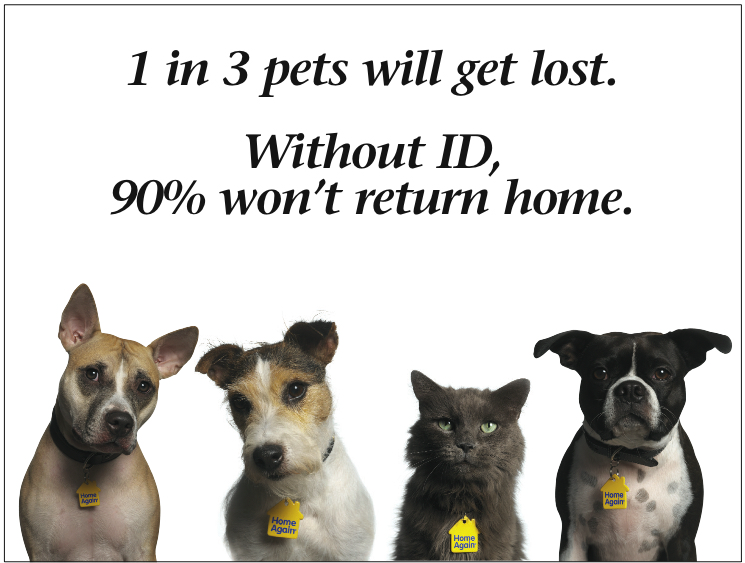 Millions of pets become lost each year. In fact, 1 of 3 pets will go missing sometime in their lifetime. Tragically, few are reunited with their owners. The most recent information reports that only 15-20% of dogs and less than 2% of cats are ever reclaimed by their owners. One of the ways to increase the chances of finding your lost pet is having it microchipped. In Illinois, it is a state law that all pets must be microchipped.
A microchip is about the size of a grain of rice. It consists of a tiny computer chip housed in a type of glass made to be compatible with living tissue. The microchip is implanted between the pet’s shoulder blades under the skin with a needle and a special syringe. The process is similar to receiving routine vaccinations and most pets don’t even react when the microchip is implanted. Because the microchip is biocompatible, the pet shouldn’t experience any adverse reactions. The microchip provides a safe, permanent, and effective form of identification.
Microchips are read by a scanner that produces an electromagnetic field that energizes the microchip. The microchip is encoded with a unique identification number that is individual to your pet. Most shelters, veterinary offices, animals control offices, and police stations have access to the scanners.
The microchip is only as good as its registration, so registering your pet in a pet recovery database is the most important step in the microchipping process. Unfortunately, pet owners forget or don’t take the time or make the effort to register their pet. When an unregistered pet enters and animal control facility the pet could be adopted by another person or group, or the unthinkable could happen. Because unregistered pets are difficult to trace back to their owners these pets have a limited time to be reunited with their owners. Unclaimed pets take up unnecessary resources and cost taxpayers and donors an average of $120 in kennel fees. Remember, a microchipped pet has a better chance at being reunited with its owner but only if the pet is registered in a pet recovery database.
No method of identification is perfect and microchipping is not a GPS device. The best thing you can do is to protect your pet is to be a responsible pet owner. Keep current identification tags on your pets at all times, consider microchipping as reinforcement, and never allow your pet to roam free. If you dog does become lost, more identification can increase the odds of finding your beloved companion.
Preventing Tick-Borne Disease
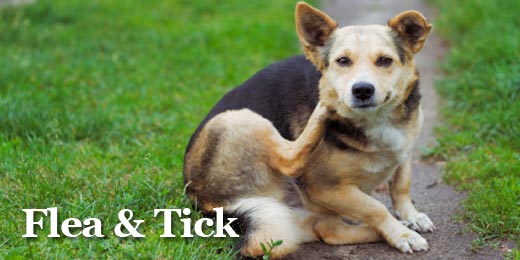 Ticks are a world-wide problem. They carry several diseases that can threaten the health of your dog. Such diseases include Ehrlichia, Anaplasma, Rocky Mountain Spotted Fever, and Lyme Disease. These diseases present us with different symptoms and most are difficult to diagnose in the early stages without aggressive diagnostic testing and prompt treatment. Depending on the disease, we can be presented with clinical signs that include lethargy, neurological deficits, deficiencies of all blood elements, high fever, arthritic pain, kidney failure, paralysis, and ultimately death. Early diagnosis and proper treatment is essential for positive outcomes.
In order to prevent tick infestations, we must first understand the ticks environment and life cycle. Environmental prevention is based on what we know about the tick, which seems to be geared toward only two things, reproduction and survival, both of which depend on blood.
An adult female tick gets impregnated by a much smaller male and then engorges itself on the blood of an animal, it falls off and dies after laying a batch of eggs that may number in the thousands. The tiny, six-legged larvae that emerge from the eggs do not all survive, but the ones that do attach themselves for their first blood meal on small mammals like field mice. This is where the trouble can start for dogs if that mouse is a carrier-host for tick-borne disease since ticks are usually not born infected.
After feeding, the larvae molt, become nymphs and gain another pair of legs and the chance to become a carrier if the larger animal they feed on has a tick borne disease or pass infection on if they are already a vector from feeding on the small mammal.
Most ticks will climb on a grass blade or low-hanging tree branch and wait for your pet to come along, holding up their front legs in anticipation of grabbing hold. The ticks have chemoreceptors in sensory organs that act as taste buds on their front legs that they use to find their next meal. They know us by the carbon dioxide that the dogs and we breathe out, moisture, body heat and butyric acid which is a chemical that all mammals give off. So when a dog brushes by a tick, it will latch onto its fur and start looking for a place to attach and feed.
Not all ticks carry disease, but because of the numbers that exist makes sense to do everything possible to protect our dogs from being bitten. The way the tick behaves gives us clues how to keep the ticks away.
Obviously, since ticks like tall grasses and low-hanging tree limbs, it is best to cut the grass and remove the branches. It is also good to keep dogs away from areas where there could be small rodents such as stone walls and wood piles.
You can also spray the surroundings with a mild dish soap like Ivory with a garden sprayer. This detergent will also kill the honey bees, so do this in the evening when they are not around. Ticks do not like sulfur because of the pungent odor to their sensory organs.
There are several preventatives that are on the market that prevent ticks. Most of the good ones contain Amitraz. But do not use the products that contain Amitraz and permethrin on cats because they are toxic to them. Frontline Plus which is made by Merial contains Fipronil which is safe for cats.
The only tick-borne disease that has a vaccine available for prevention is Lyme disease. It works best in young dogs that have never been exposed before and must be given every year. Dogs have been known to get Lyme even though they have been vaccinated. Most veterinary teaching hospitals do not recommend it unless you live in an area where there is a strong likelihood of infection. The ease with which Lyme can be detected and treated may weigh against using the vaccine. Very rarely, dogs can have a reaction to the vaccine which leaves them with all the painful symptoms of Lyme disease but no hope of being cured as there is no disease to fight. Unfortunately, you cannot know if yours will be one of them before you vaccinate. However, many have been vaccinated and suffered no serious reaction and appear to be protected by the vaccine.
The best and safest way to remove a tick is to use a small curved Kelly forceps or a pair of tweezers or one of the tools especially made for the purpose, catch the tick right behind the flattened head as close as possible to the dog’s skin, and pull gently and straight out. Do not ever try to remove a tick with your fingers, burn it, put petrolatum jelly on it, twist it or jerk it. By grasping the tick with your fingers, you risk propelling the infectious saliva from the tick into your dog. After removing the tick drop it in a solution of water and dish soap to kill it.
Keep The Worms Out Of Your Pet’s Heart! The Facts About Heartworm Disease
 “Money can buy you a fine dog, but only love can make him wag his tail.” Kinky Friedman
Heartworm disease is a serious disease that results in severe lung disease, heart failure, other organ damage, and death in pets, mainly dogs, cats and ferrets. It is caused by a worm-like parasite called Dirofilaria immitis that are spread from animal to animal from the bite of a mosquito. The adult heartworms live in the heart, lungs and associated blood vessels of an infected animal. The adult heartworms reproduce in the heart and produce microfilaria (immature heartworms) that are transported to other dogs from a mosquito bite. The microfilaria are in the mosquito for a short period of time and then spread to other pets by a bite from the mosquito. The microfilaria then mature, become adults and continue the life cycle.
Heartworm disease is not contagious to other dogs, so a dog cannot catch the disease from being near an infected dog. Heartworm disease is only spread through a bite from a mosquito.
In the United States, heartworm disease has been documented in each of the 50 states, but it is most common along the Atlantic and Gulf coasts from the Gulf of Mexico to New Jersey and along the Mississippi River and its major tributaries.
The most common test that a veterinarian uses to check for heartworms is an antigen test. This blood test detects for specific proteins, called antigens, which are released by the adult female heartworms into the dog’s bloodstream. This antigen test can accurately detect infections with one or more adult female heartworms that are at least seven or eight months old, but it doesn’t detect infections that are less than five months old.
Other tests are available to detect microfilariae in the dog’s bloodstream. Microfilariae in the bloodstream indicate that the dog is infected with adult heartworms. These adult heartworms are producing microfilariae that are circulating in the blood, so when they are found it has been at least 6 or 7 months since the dog was infected.
Dogs older than 6 or 7 months of age must be tested before starting on the heartworm preventitive. A dog may appear healthy on the outside, but on the inside the heartworms may be living and thriving. The heartworm preventitive does not kill the adult heartworms. Also giving the preventative can be harmful and deadly. If the microfilariae are in the bloodstream, the preventative may cause the microfilariae to die and cause a shock-like reaction and possibly cause death in some dogs.
The severity of the disease is directly related to the number of worms that are in the dog. The first clinical sign may be that your dog may tire a lot faster than normal. There may be a cough present with later signs being associated with trouble breathing and heart problems.
If your dog has heartworms, we can treat it. However, we must use an arsenic base product that is not easy on the dog or the owner’s pocketbook. The treatment can be potentially toxic to the dog’s body and can cause serious complications such as life-threatening blood clots to the dog’s lungs. The treatment is expensive and requires multiple visits to your veterinarian.
There are many FDA approved products on the market that prevent heartworm disease. They kill the microfilariae as they are injected into the bloodstream from the mosquito bites. They all require a prescription from your veterinarian. Most are either given orally or topically. Here at the clinic we require that the animal be tested first before we will dispense the heartworm prevention. It is best to keep your dog on preventative year round, but talk to your veterinarian to see what he thinks is best for your dog.
Has Your Pet’s Breath Ever Knocked You Over?
 Has your pet had trouble eating? This may be a sign of periodontal disease and gingivitis in your pet. Bacteria will get on your pet’s teeth and start forming plaque. This plaque can then irritate the gums and cause gingivitis and periodontal disease. If left untreated, other organ systems such as the heart, lungs, or kidneys can be affected.
The plaque can be removed with proper brushing, but as the disease worsens, dental calculi or tartar forms. At this stage, the pet’s will need to be placed under anesthesia and have the tartar removed or scaled.
Yearly dental examinations are recommended to help prevent this disease. As a puppy, your veterinarian will look for retained deciduate (baby) teeth, maloclusions, and possible broken teeth. As your pet ages, regular check ups will examine for loose teeth, possible calculi formation, bleeding or swollen gums, root exposure of the teeth and other clinical signs that could be detrimental to your pet. I usually recommend that the small breed dogs start having a check up at one year of age and the large breeds at two years of age.
If your pet’s teeth need to be cleaned, unfortunately they will need to undergo general anesthesia. We always do pre-anesthetic blood work to use assess your pet’s general health and make it as safe as possible. While under anesthesia, the pet will be carefully monitored and maintained under gas anesthesia. At this time, the plaque and calculi will be scaled off with an ultrasonic scaler. The health of the teeth will be assessed and the teeth that have roots exposed, are loose or decayed will possibly be extracted. A polish will be used to smooth the teeth and too help prevent the bacteria from reattaching to the teeth. Other products such as flourides can be used as protectants. However, this doesn’t keep the owners from taking care of the teeth when the pet leaves the clinic.
I recommend that the pet’s teeth be brushed routinely in a circular motion. Other pet or dental chews can be used to help maintain the cleanliness of the teeth. There are also some additives that can be added to your pet’s drinking water that can help freshen it breath.
If you have any questions, don’t hesitate to contact our office. We are here to help!
Dog Training 101 – Young And Adult Dogs Can Learn The Basics
 Whether you’re a first-time dog owner or a seasoned one, a puppy’s behavior can test your patience: exuberant bounding; jumping, licking and nipping; the stolen socks and chewed-on shoes; and best of all, misinterpreting “Come here!” as “Run!”
This may be cute at first, but as your puppy grows, many of these behaviors become a nuisance and possibly dangerous for both you and your dog. Dog obedience training can curb bad behavior. Teaching your dog that you’re in charge could potentially protect him from harm–such as running into the street. It takes a lot of patience to train your pet, whether he’s a puppy or a mature dog. But it’s possible , no matter what his age. Here are some keep things you’ll want your dog to learn.
Consistency, Consistency, Consistency
- You can begin working with your dog when he is 7-8 weeks old. Some tips to keep in mind along the way are:
- Use a specific word for each command, and say it in the same tone. For instance, make sure everyone in your home knows that when you want him to sit, you say “Sit”–so your husband won’t say, “Sit down,” and your child, “Butt on the floor!”
- Pick a certain training method and stick with it. Offer a command, such as “Sit”, once once, or else your dog will think he doesn’t have to sit untile you’ve repeated it 35 times.
- Limit your training sessions to 10 or 15 minutes per day.
- Always be in control. It will be counterproductive if you lose your patience or become angry. Your dog is trying to please you but won’t always understand what you want him to do right away.
- Don’t over-praise. A “good dog,” small treat or pat is perfect. Too much praise is overkill and distracts from your message.
- End your training session on a positive note. Have your dog obey a command he knows, then praise him.
Basic Commands: Come, Sit, Stay, Down, Heel
If your dog learns there commands, he will be a much more enjoyable member of your household. This will also help develop your dog’s social skills where there are guests at the house.
Teaching Old Dogs New Tricks
Older dogs are still interested in doing new things. Take into consideration and physical limitations they might have, depending upon their age and health. Older dogs are generally more challenging to train because they have established behaviors. Being consistent and patient with older dogs is perhaps even more important than with training puppies. While an older dog’s attention span is a bit longer, it will serve you both best to conduct training sessions in short spans. Don’t rely to heavily on treats as rewards. Older dogs can be less active and can have trouble shedding extra pounds.
Don’t Give Up
Training and behavior problems can be incredibly frustrating. Never hit or scream at your dog or he will become fearful of you. Certain things–such as growling, baring teeth or biting–should never be permitted. Contact your veterinarian immediately if your dog exhibits these dangerous behaviors.
Remember that a well-trained dog is a joy to have in the family. A dog that knows what’s expected of him is a happy, confident one. The effort you both put in is worth it.
Keep Pets Safe During The Holidays
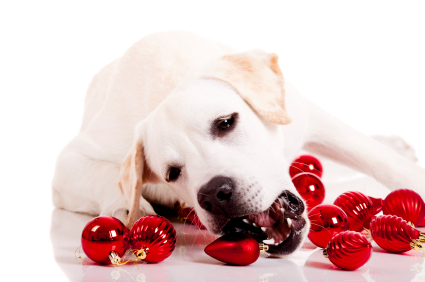 The cold winter months and the festivities of the holidays are fast approaching. In this excitement of the holiday season, it’s important to remember our celebrations can be stressful for pets and some decorations can be stressful for pets and some decorations and holiday treats can be potentially dangerous. Here are some tips for keeping pets safe during the winter.
Chocolate can be a poison to pets. Unsweetened baking chocolate care a very high dose of the toxin theobromine, followed by semi-sweet, dark and milk chocolate. Depending on the dose ingested, chocolate can cause vomiting, diarrhea, seizures, hyperactivity, increased thirst and urination, and an increased heart rate. Never leave gifts of chocolate under the tree, in stockings or on tables easily accessible to pets.
Grapes and raisins also should be singled out because they are toxic in 30% of animals. The toxin component is unknown and they typically cause irreversible kidney failure. Candies or gum containing the sweetener xylitol can cause a drop in blood sugar, resulting in depression, loss of coordination and seizures. Other things to keep out of your pet’s reach include yeast dough, coffee, and salt.
Live trees and plants
Tree needles can choke pets if ingested, and many holiday plants can cause serious problems. Poinsettia leaves can be irritating to the mouth and stomach of the dog or cat that chews on it. Certain mistletoes produce stomach upset, while others may lead to liver failure or seizures. The following plants also should be kept out of reach: Christmas berries, holly, star of Bethlehem, Christmas rose and rhubarb.
Keep your pet away from the water in tree stands which may contain fertilizers that can upset a pet’s stomach. The pine sap mixed with water makes a poisonous drink for your pet. Avoid sugar and aspirin additives in the water as well. Placing a physical barrier such as a tree skirt around your tree is a preventative measure that can be taken. The smell of a live or artificial tree may cause your pet to urine-mark it. It may help to bring the tree into an isolated indoor room for a day or so, so that it smells more like “home.”
Decorations and lights
Ribbons and tinsel can be perceived by pets as toys, or prey, and if swallowed, can catch in the gastrointestinal tract stimulating an accordion-like folding of the intestines which is a life-threatening condition. Puppies and kittens are especially tempted to chew on electrical cords which can cause mouth burns or fatal shock. Secure christmas trees to a wall or ceiling hook with sturdy fishing line. This will help prevent the tree from toppling over should your pet jump on it or accidentally knock it over. If you have holiday lights, be sure they don’t hang so low that your pet could become entangled in them. Remember to unplug the lights when you’re not home to supervise your pet.
Shiny glass ornaments on Christmas trees can be irresistible toys for cats. Please attach ornaments high on the tree and fasten them securely. Smaller ornaments can be enticing to eat and may cause obstructions which are only relieved by surgery. Also pick up any ornament hooks, tinsel, or ribbon that fall on the floor. Your pet could experience serious injuries if it ingests any of these items.
Holiday Hustle and Bustle
Unusual feeding and sleeping patterns, visitors and other distractions can cause stress. Maintain as much of your pet’s regular routine and feeding schedule as possible. Watch out for doors left open, and make sure pets have collars and tags on in case of escape. Provide a special quiet place with a blanket and fresh water for your pet to retreat to when the festivities get too stressful.
The holiday season is a wonderful, beautiful season. With a little precaution, pet hazards can be avoided and the holidays can be thoroughly enjoyed. If at any time you suspect your pet has ingested a harmful substance, call your veterinarian immediately.
Thanksgiving Threats
 Your fabulous feast lay before you on that most food-oriented holiday of all–Thanksgiving! And those beseeching , soulful eyes of your pet look at you with adoration and hunger. Can you refuse? Yes! Sometimes generosity can lead to injury.
Here’s some things to be careful of during the Thanksgiving holidays:
- Too much fatty, rich, or even just new types of foods can give your pet pancreatitis or gastroenteritis. Both can be very painful and become quite serious, so go easy on the tidbits. Better yet, none at all.
- Bones can tear up or obstruct your pets’ innards.
- The string often used to tie up the turkey during roasting can tie up your pets’ intestines too (as can the bag your turkey came in or the little red “popper”).
- Onions, often abundantly found in stuffing, destroy a dog’s red blood cells, leading to anemia.
- Too much chocolate, especially baking chocolate, can actually kill your dog, so keep it all well out of reach.
To show your pet how thankful you are to have them as part of your family, give them a feast of their own–perhaps a treat of canned pet food, a catnip treat, a special chewy, or a few tablespoons of peanut butter stuffed in a favorite “tube” toy (at least a half hour of entertainment). And when those eager eyes look at the loaded dining-room table, remember that your feast is not fit for your pet…and then give thanks for your pets’ healthy appetite!
Opal: August 12, 2006 – October 1, 2012
 Usually I write my monthly articles on topics to educate my clients, but this month I am going to dwell away from this. You see last night I had to put one of our pets to sleep. It was one of the most painful decisions that I have had to make. They say that pets bring us the most joy during their lives, but also give us the most sorrow when we have to say goodbye.
Opal was only six years old. She was a one-of-a-kind yellow labrador retriever. She always had that bounce to her step and always was into something. But last week, everything changed. She quit eating and had a brown watery diarrhea. I brought her to the clinic, placed an IV catheter in her and did some blood work on her. The blood was thin so I knew we had some problems, but little did I know what lied ahead. The results showed that she was extremely anemic. She had a disease that we call Autoimmune Hemolytic Anemia.
AIHA happens because the body is destroying their own red blood cells and it does not have a good prognosis. Because the red blood cells are being destroyed, less oxygen gets to the organs and cells thus causing organ shutdown. Looking to fight the odds against us, I took her over to Hawthorne Animal Hospital for a blood transfusion. It raised her blood count some, but she was still depressed and weak. Radiographs revealed that she had some tumors on her spleen that were confirmed with ultrasound. We were thinking about removing the spleen, but found a tumor on her heart. So I brought her home and tried to medically treat her in her weakened state. She did improve some over the week and was looking better. She was starting to do the things that Opal did to make us laugh at her. I was happy with her progress until last night when I got home from work. She had returned to her very weakened state, would not hold up her head, and had bloody diarrhea everywhere. I knew it was time to relieve her suffering and say goodbye to her.
I will always fondly remember her distinct personality. No dog ever did it like Opal. She stopped the treadmill at LaBest. She would always take the jolt from the electric underground fence just to get out. She didn’t care, but she was the best. The summers were always an adventure around the pool with her always sneaking a sandal, towel or whatever she could get a hold of. She didn’t have many years to grace us with her presence, but we will have a lifetime of memories. She was loved very much by our family, but the unconditional love returned was unmeasurable. As my son, Mitchell said last night through his tears, “Opal, you are going to have the best seat for our fireworks shows.”
Rest in peace, Opal.
How To Deal With Your Pet’s Behavioral Problems
 Many pets have behavioral problems in their everyday life. These may be petty annoyances of everyday life such as being jumped on, barked at, licked or scratched to something more serious like separation anxiety , or fearful behavior and inappropriate urination. Some of the behavioral problems merit attention because they could lead to inappropriate behavior that is serious and dangerous.
There are seven things that I would recommend doing with a pet to prevent, diagnose and/or treat a behavioral problem. As with everything else prevention is the best medicine. It is best to start as young as possible. A lot of the problems include house training and litter box use, dealing with inappropriate play and ensuing social harmony. It is best to train often to reinforce the good behaviors and gently and humanely. I do not recommend disciplining a puppy with negative reinforcement such as hitting with a newspaper or rubbing their nose in soiled area. These means of disciplining could lead to worse behaviors. Instead, I recommend positive reinforcement and praise especially if they have an acceptable behavior. This may include a treat or attention. Only use commands that you can enforce.
Sometimes diagnostic workups are in order to rule out disease or a primary behavioral problem. Your pets may be sick and painful leading it to be lethargic and irritable. These could lead to changes in its appetite or activity level. It is important that you the clients be educated about humane care as well as the science of learning. Positive reinforcement can shape behavior without putting you in danger.
There are several local trainers that can assist you in your training. I recommend that every pet have some form of obedience training. The trainers not only work with the petty annoyances, but also can assist with the serious behavioral problems. There are many ways to train your pets, so it is best to find a trainer to meet your needs. Not all pets need the corporal punishment part of training, so check several out. Ask questions.
There are some medications on the market that can be used. There are some that are not approved but can be used. As a veterinarian, we strictly monitor the pet’s reaction, because some are not approved for use. If we use them, we assume all responsibility. By no means do we want to make the pet worse on the medication.
It is important that safety is emphasized. Anytime we are dealing with an aggressive pet, there is a potential for injury. Prevention of future bites depend on the historic details of the individual animal’s behavior. We as veterinarians and owners need to take into account what the best interests are for both the owner and the pet. Unfortunately, owners liability must need to be addressed, especially with aggressive dogs. No one wants people or other animals hurt.
After the treatment plans have been implemented, it is important to have follow up visits with your veterinarian. Sometimes there are subtle effects to adjust. Every problem is unique, so constant adjusting may be needed.
Cuts, Wounds, Punctures, Lacerations and Abscesses on Your Pet
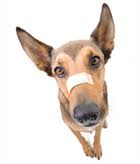 Bite wounds, cuts and other punctures that then become infected are one of the most common problems that we see in veterinary medicine. We treat many everyday and left untreated, could be potentially deadly, especially to cats. Many people do not realize that their pet has an abscess because the swelling is often hidden under the fur, but they bring their pet in because it is lame, not eating, or lethargic. And their most common complaint is that ” it just isn’t acting right.” There are some wounds that are quite obvious because there is blood and goo all over the place.